Zhejiang Tenrony Electricity Co., Ltd.

Understanding the Safety Features of Grounding Single-Phase Transformer

Table of Content [Hide]

    The Importance of Safety in Grounding Single-Phase Transformers


    When it comes to electrical power distribution, safety is paramount. Grounding single-phase transformers are integral components in ensuring the safe and reliable delivery of electrical power, especially in residential and light commercial applications. These transformers are equipped with various safety features that prevent electrical hazards, protect users, and ensure the stability of the entire electrical grid. The grounding mechanism is essential as it ensures that fault currents are safely directed into the ground, reducing the risk of electrical shock or fires. By understanding the safety features of these transformers, we can appreciate how they contribute to the safety of both the infrastructure and the people who rely on them daily.


    Grounding Mechanism in Single-Phase Transformers


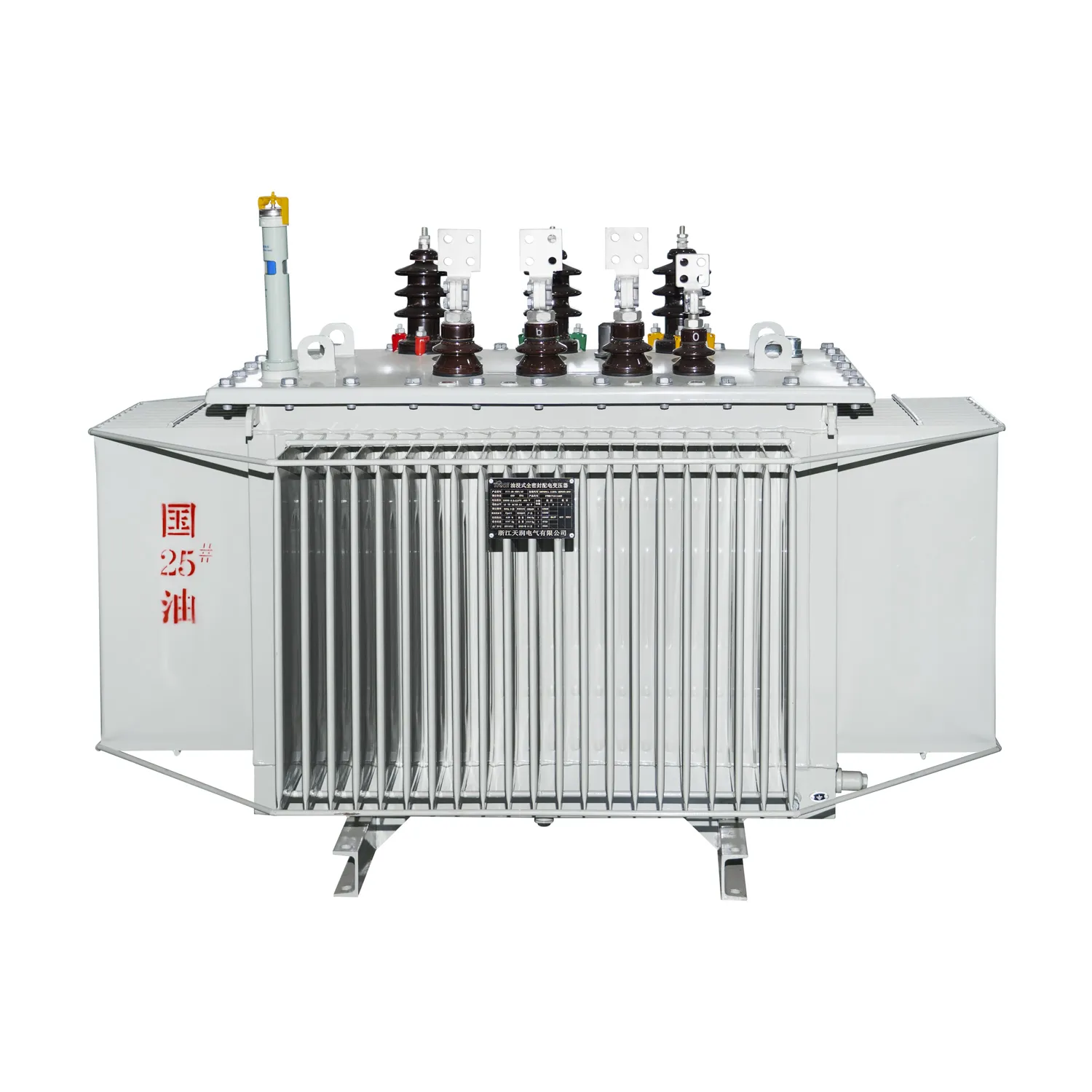
    One of the key safety features in a grounding single-phase transformer is its grounding mechanism. This mechanism ensures that any fault current is safely channeled into the earth, preventing potential hazards such as electrocution, electrical fires, and equipment damage. When a fault occurs, the grounding system creates a low-resistance path for the electricity to flow into the ground, effectively preventing the current from reaching dangerous levels. Proper grounding ensures that all metal parts of the transformer that could become energized due to faults are safely discharged into the ground. This vital feature minimizes the risk of electric shock and damage to the transformer, ensuring both operator and consumer safety.


    Overload Protection in Grounding Single-Phase Transformers


    Another safety feature commonly integrated into grounding single-phase transformers is overload protection. These transformers are designed to withstand high voltages and currents, but excessive loads can still cause them to overheat and malfunction. Overload protection systems, such as fuses or circuit breakers, are installed to detect when the transformer is carrying more current than it can handle. Once an overload is detected, these devices automatically interrupt the current flow, preventing the transformer from sustaining any damage. This feature ensures that the transformer continues to operate safely and prevents potential risks such as overheating, fire, and permanent equipment failure.

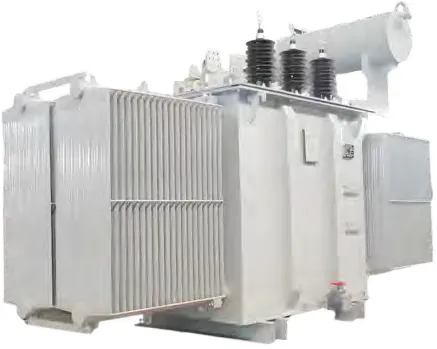
    grounding-single-phase-transformer-1.jpg

    Fault Detection and Automatic Shutdown Mechanisms


    In addition to overload protection, grounding single-phase transformers are often equipped with fault detection and automatic shutdown mechanisms. These systems continuously monitor the performance of the transformer and its connections. When a fault, such as a short circuit or a ground fault, is detected, the system quickly isolates the fault area and triggers an automatic shutdown. This prevents further damage to the transformer or the surrounding electrical infrastructure. By automatically shutting down the transformer in the event of a fault, the system limits the potential impact of electrical problems, reducing the risk of accidents or fires. Such automated features significantly enhance the overall safety and reliability of the transformer.


    Structural Design for Safety and Durability


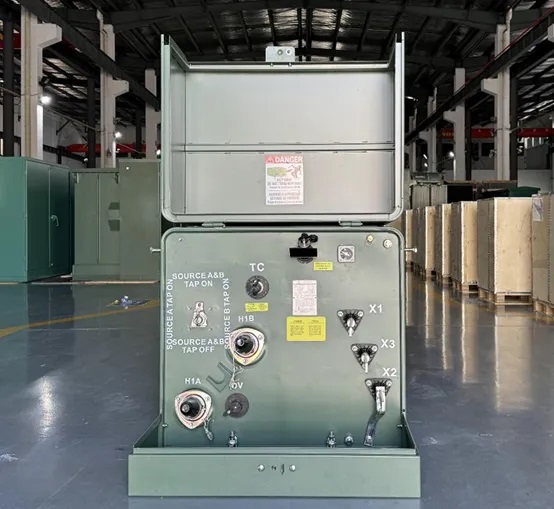
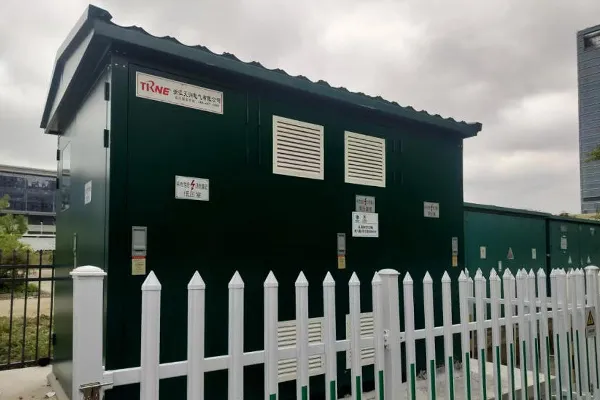
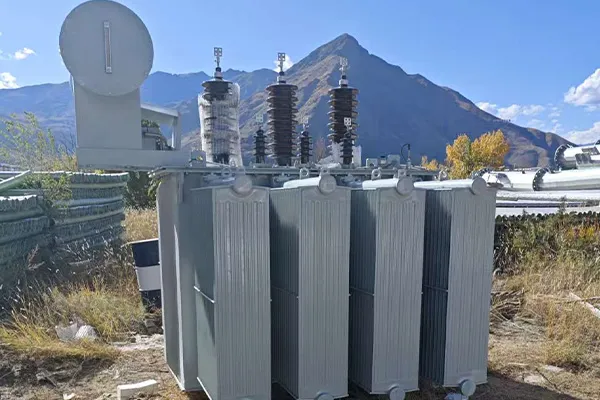
    The structural design of grounding single-phase transformers is another critical aspect of their safety features. Transformers are often exposed to harsh environmental conditions, and their design must ensure that they can withstand these conditions without compromising safety. These transformers are constructed with robust casings that protect the internal components from external elements such as moisture, dust, and physical damage. Moreover, they are built to withstand extreme weather conditions, ensuring the transformer remains operational even in challenging climates. The transformer's housing is often designed with safety vents to release pressure in the event of overheating, preventing explosions or other catastrophic failures. Such structural design elements contribute significantly to the long-term safety and durability of the transformer.


    References:


    References
    We use cookies to offer you a better browsing experience, analyze site traffic and personalize content. Part of the tracking is necessary to ensure SEO effectiveness,
    By using this site, you agree to our use of cookies. Visit our cookie policy to learn more.

    Reject Accept