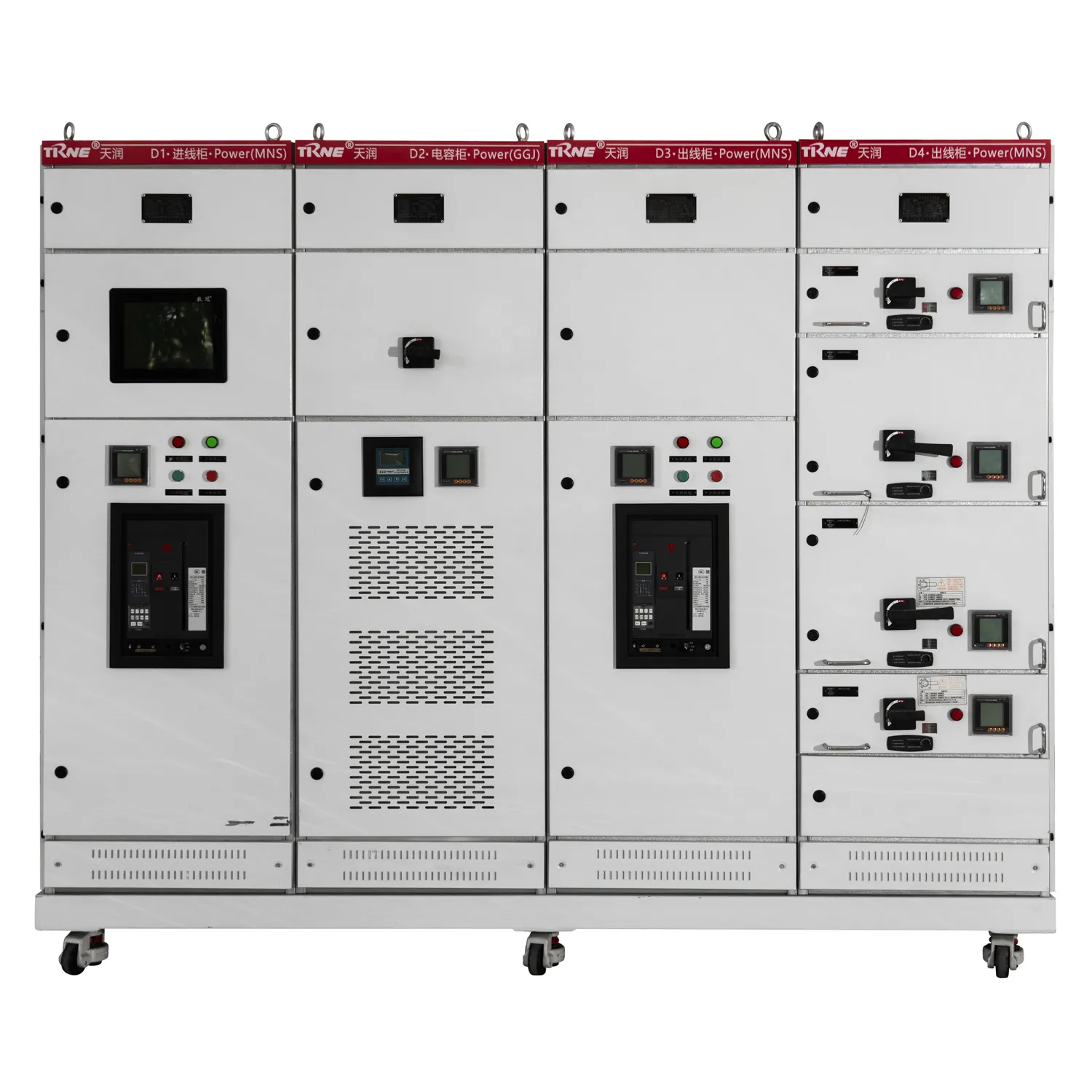
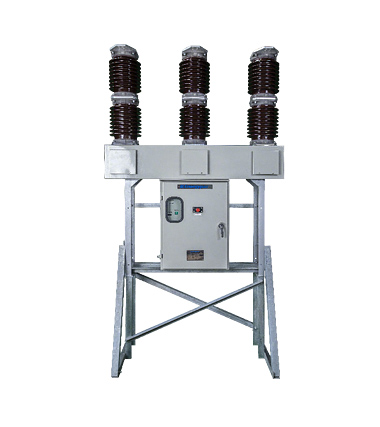
Power is static electrical equipment that utilizes the principle of electromagnetic induction to convert alternating current of one voltage level to another. They are core components in power transmission and distribution systems. According to their applications and structural forms, power transformers can be classified into the following types:
Distribution transformers
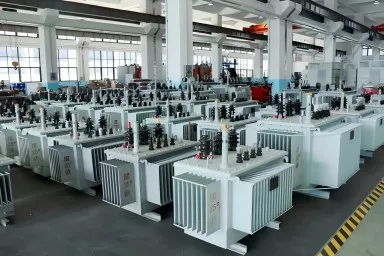
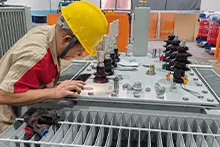
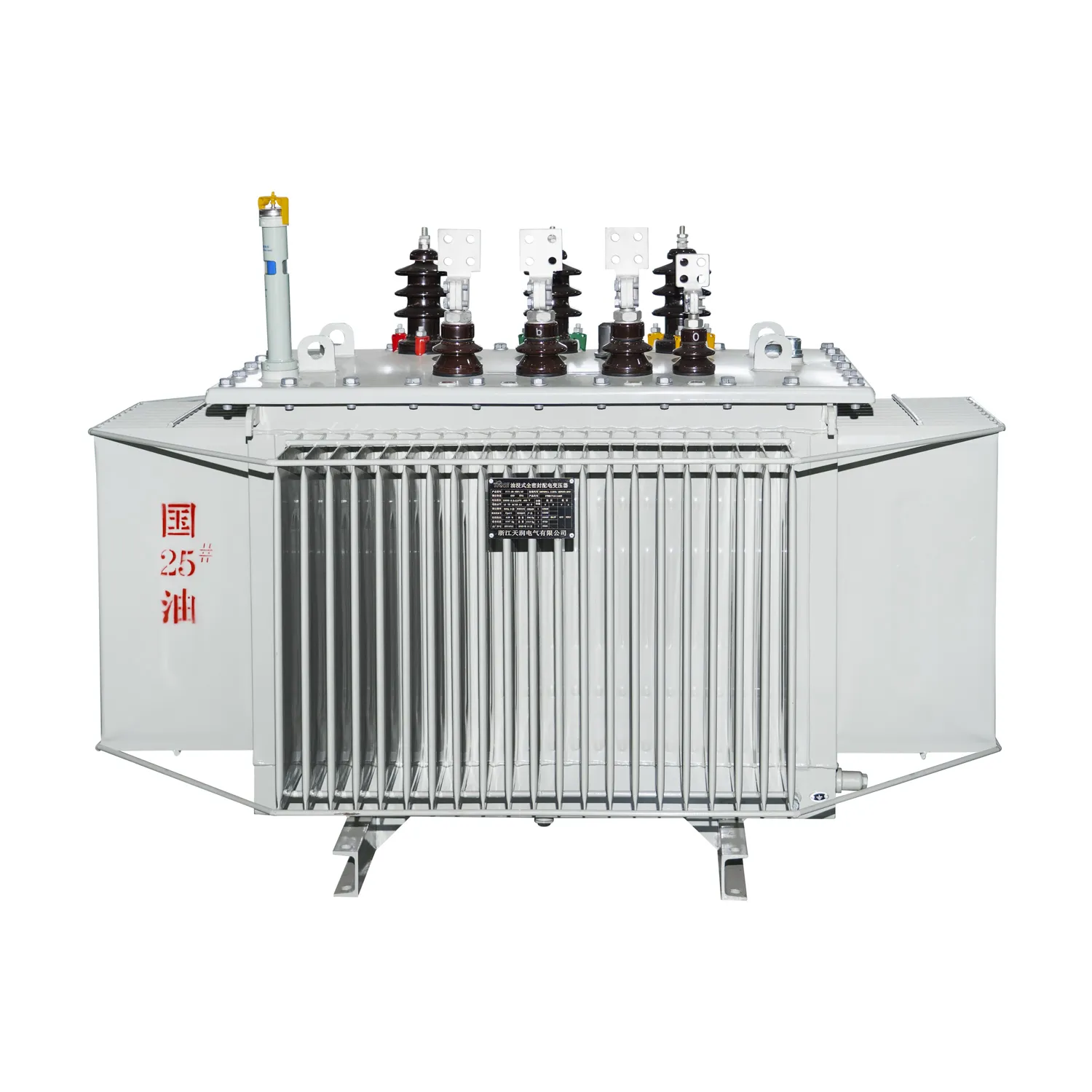
Generally, they are medium or small-size transformer operating in distribution networks, with voltage level typically ranging from 10 to 35 kilovolts (mostly 10kilovolts and below) distribution transformers are mainly installed at the end of substations or on the power consumption side, used to step down high-voltage distribution power to low voltage(such as 0.4 kilovolts)for use by residential areas, commercial buildings, industrial and mining enterprises, and other loads. A distribution transformer has relatively small capacities and large quantities, emphasizing low loss and economy to reduce distribution losses and improve power supply efficiency. With the development of urbanization, the number of residential buildings and power facilities is constantly increasing. Distribution transformers are widely used in communities, apartments, high-rise buildings, and industrial and commercial power consumption sites to ensure a reliable power supply for end users.
Power transformer
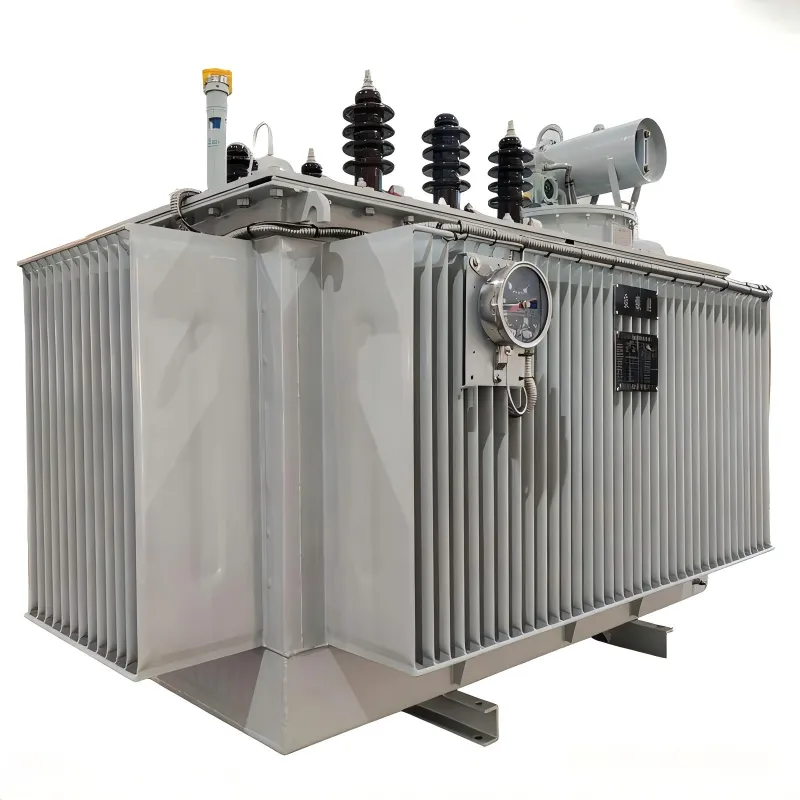
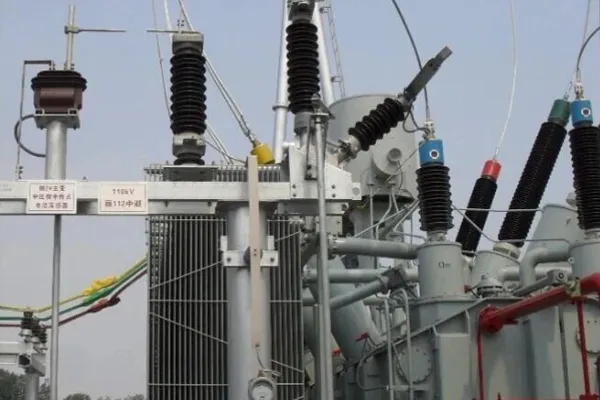
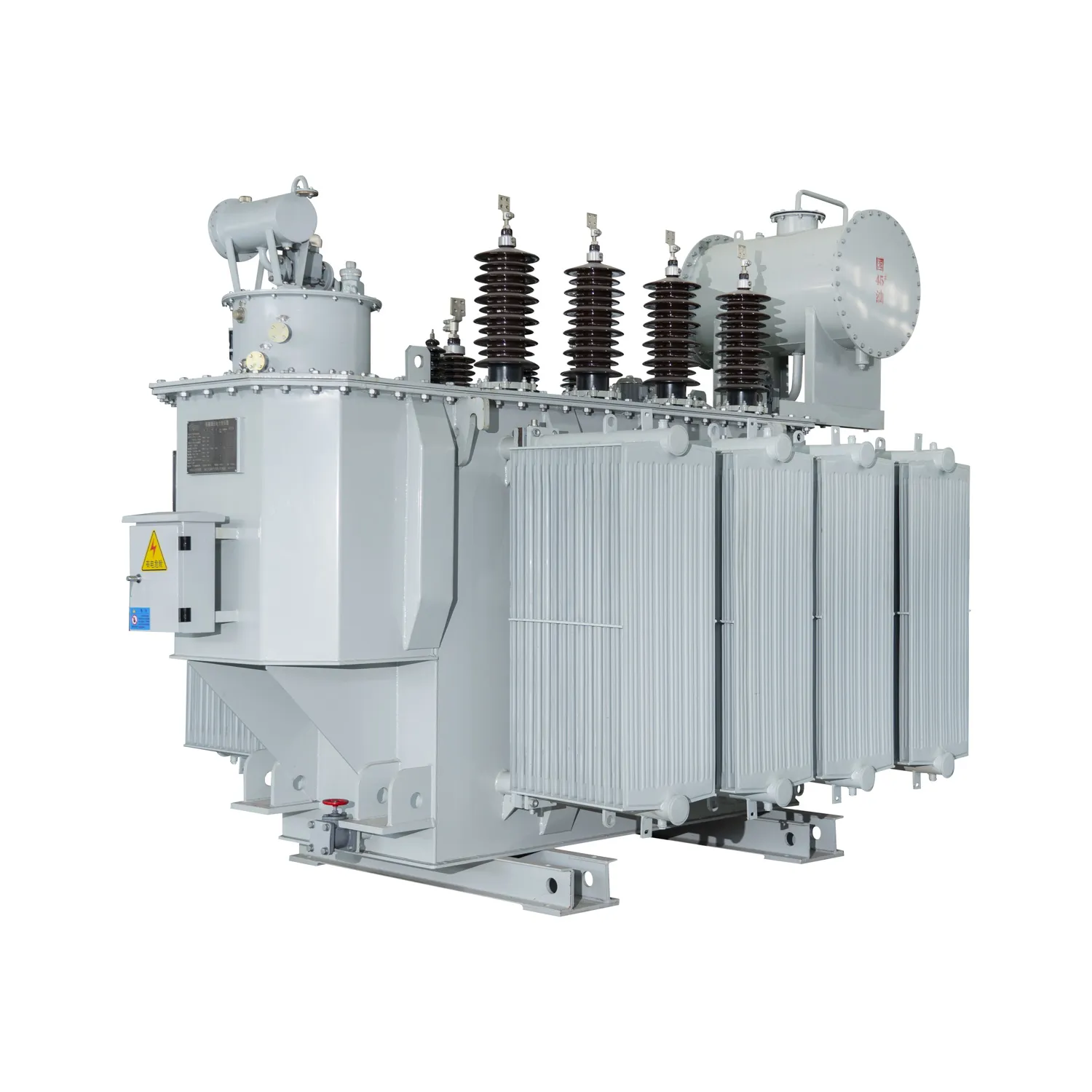
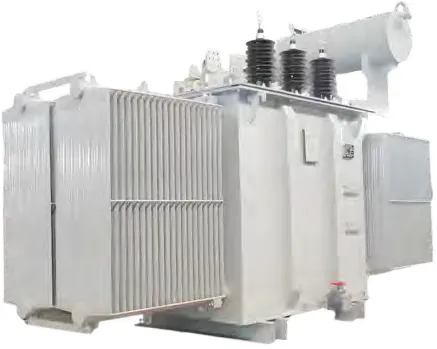
In a narrow sense, they usually refer to step-up/set-down transformers, which are installed in power transmission networks and large substations. They have a wide range of voltage levels, typically from 110KV to 750KV and even higher. Power transformers are used to connect power plants, the main power grid, and regional grids. They can increase the output voltage of generators to high-voltage for long-term transmission or reduce the transmission voltage to distribution voltage levels to meet the electricity demands of different regions and large industrial and mining enterprises. These transformers have large capacities and high voltages. And have extremely high requirements for insulation levels, mechanical strength, and operational reliability. They usually use oil-immersed structures to utilize transformer oil for cooling and insulation. Power transformers are key equipment in power grids and are widely used in power plant step-up substations, high-voltage transmission substations, and large industrial users’ self-owned substations, among other scenarios. For instance, large energy-consuming factories such as steel and petrochemical plants often have their own 110kV or 220kV substations, which contain power transformers to convert the voltage to the internal electricity usage level of the factory.
Ultra-high voltage transformers
Ultra-high voltage(UHV) generally refers to voltage levels of 1000-kilovolts and above for alternating current and ±800-kilovolts and above for direct current. Ultra-high voltage transformers are super-large transformers that have developed in recent years to meet the cross-regional power transmission needs of China’s power grid. They feature extremely high voltage and large capacity, with a single unit capacity reaching several million kilovolt-amperes. Their design and manufacture are highly challenging, requiring solutions to a series of issues such as insulation, electromagnetism, heat dissipation, and transportation. China successfully developed and put into operation the world’s first 1,000-kilovolt AC transformers and ±800-kilovolt DC convert transformers around 2009, marking the implementation of UHV transmission projects. Ultra-high voltage transformers are mainly used in long-distance and large-scale power transmission projects, such as UHV lines connecting western new energy bases with load centers in the east and central regions. In national strategies like” West-to-East Power Transmission” and “North-to-South Power Transmission”, ultra-high voltage transformers play the role of main transformers in UHV substations, boosting regional grid voltages to UHV for long-distance transmission or stepping down to connect to target grids. Due to the extremely large transmission capacity of UHV lines, multiple ultra-high voltage transformers have significantly improved the efficiency of long-distance power transmission and the interconnection capacity of the power grid, and are of crucial significance for building a “national power grid”.
Dry-type transformer
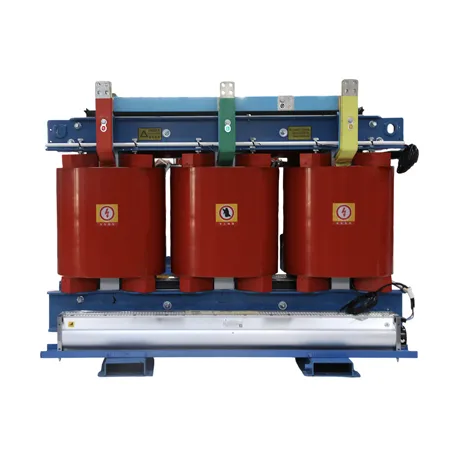
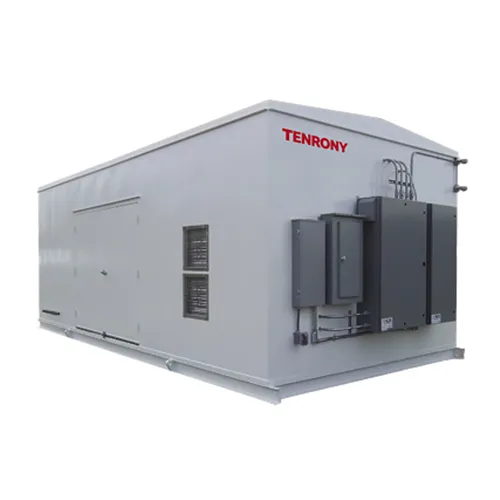
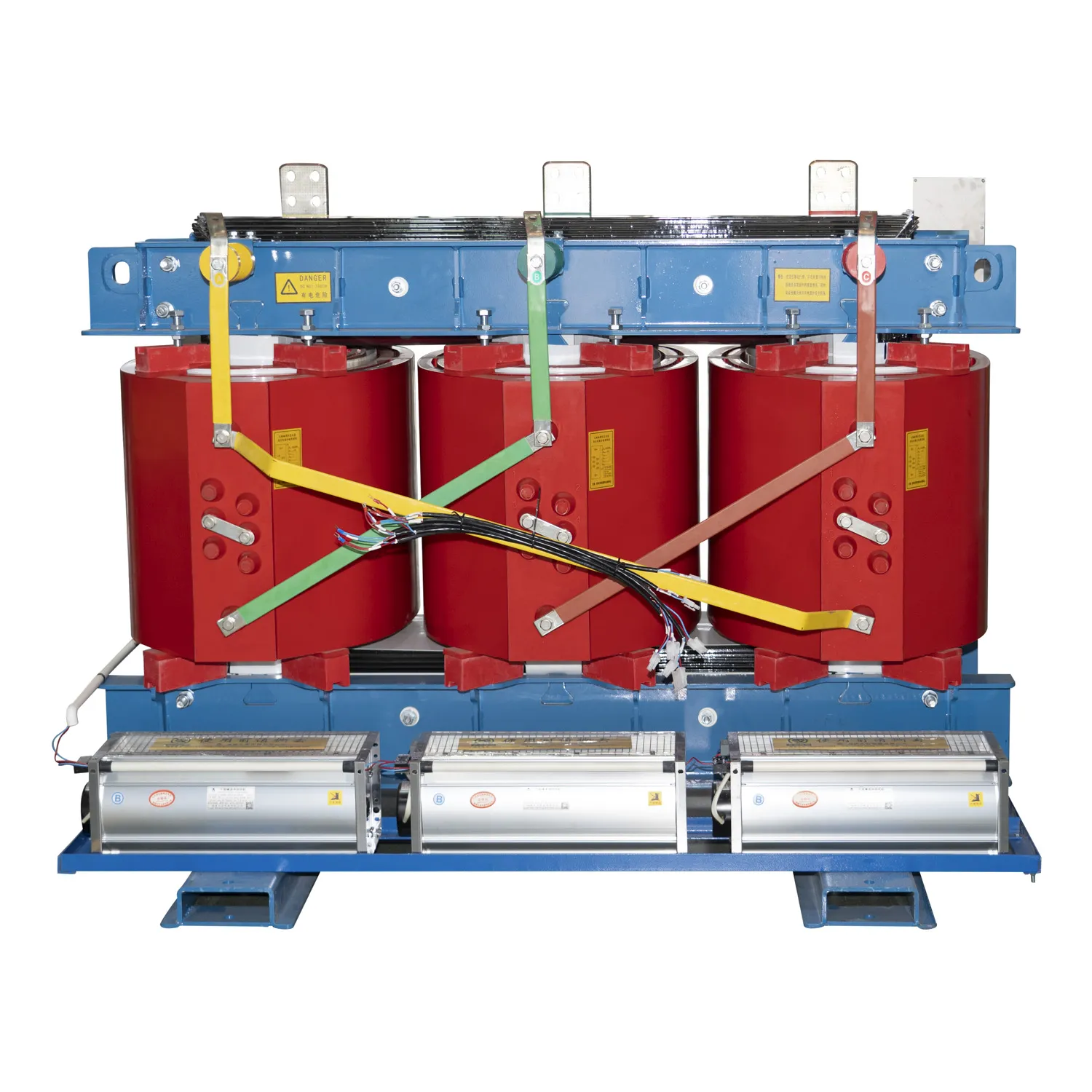
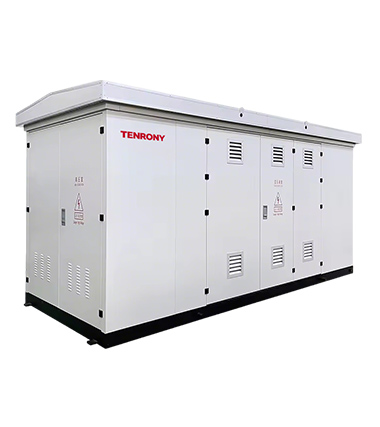
A dry-type transformer refers to a transformer whose core and windings are not immersed in insulating oil. It mostly adopts resin and epoxy encapsulation insulation. Dry-type transformer relies on natural air cooling or forced air cooling. Due absence of oil, that have advantages such as fire prevention, explosion, and maintenance-free. They have high heat resistance insulation grades and low partial discharge, ensuring safe and environmentally friendly operation, the capacity of dry-type transformer is generally below 2,500KVA and they often used in urban distribution and special places, such as distribution room of high-risen buildings, underground shopping malls, subways, hospitals, airports, and data centers where fire prevention requirements are high and ventilation is poor, for instance in data-centers, dry -type transformer are often used to step down the high-voltage power locally for server use to avoid the potential fire risks brought by oil-immersed transformers. In recent years, with the advancement of urbanization and increasing safety and environmental protection requirements from users, the proportion of dry-type transformers in the distribution system has been continuously rising. Additionally, dry-type substations are gradually being applied in the box-type substations of new energy stations such as wind power and photovoltaic power, utilizing their maintenance-free and environmental adaptability to meet the local voltage boosting needs of new energy.
The Author — Mr. Cai Dongpo
About Our Chief Engineer
Mr. Cai Dongpo is the Chief Engineer of Tenrony. Since joining the company in 2007, he has devoted his entire career to technical design and engineering, building extensive, hands-on expertise across electromechanical design projects. Over nearly two decades, he has played a key design role in a series of major industrial and infrastructure programs — including the China Coal Pingshuo Group, China Coal Pinglu Group, the CRRC (CNR) locomotive manufacturing production line, the CRRC (CSR) production line, and the Sunan Shuofang International Airport expansion project. His deep technical command and proven project track record form a cornerstone of Tenrony's engineering strength.
 English
 русский