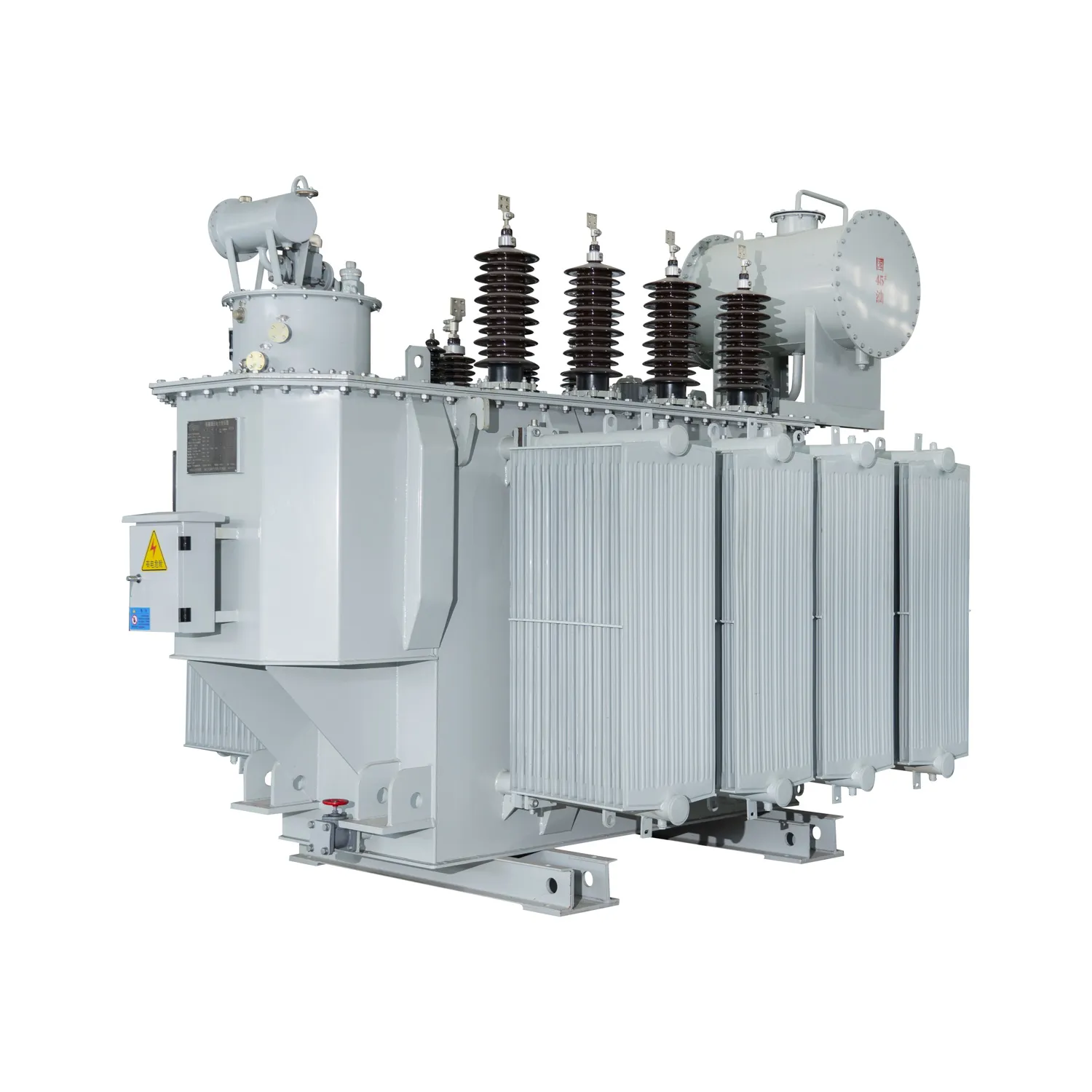
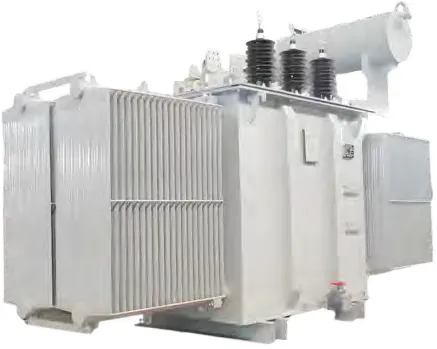
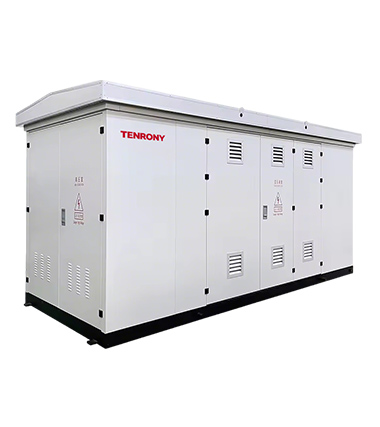
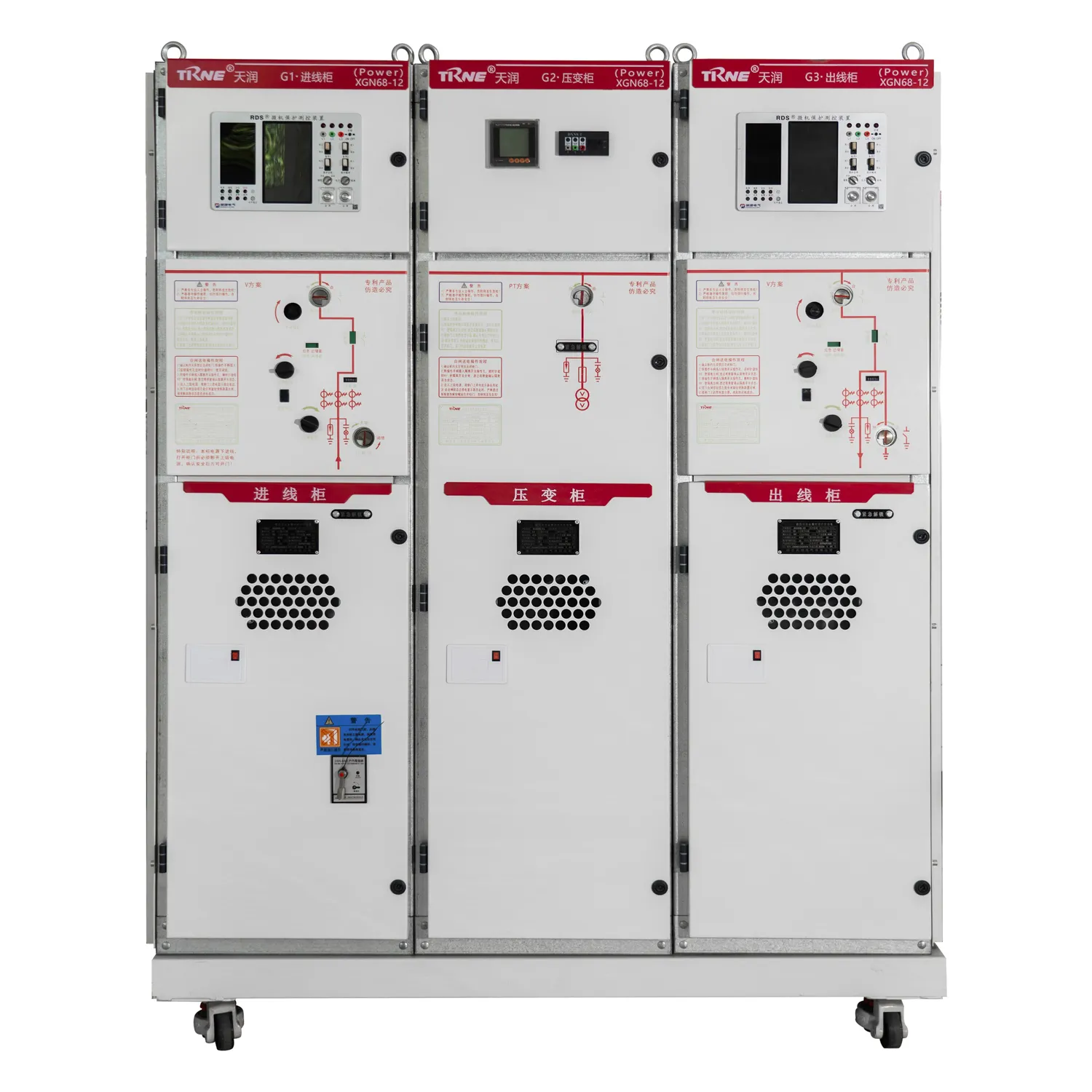
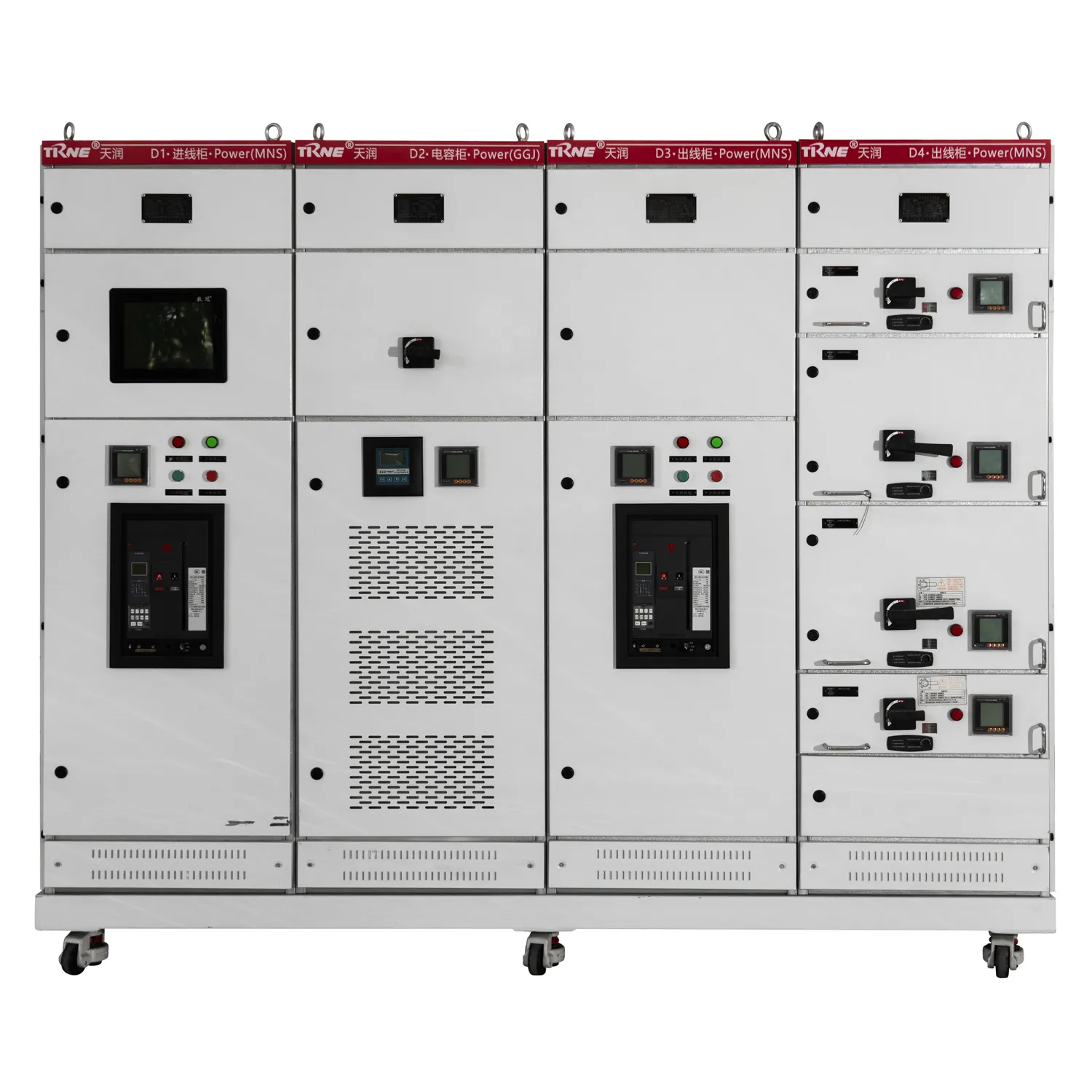
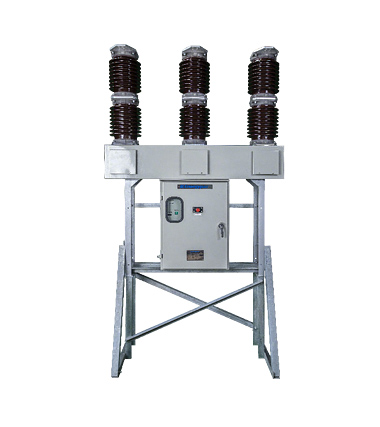
Modern power systems require electrical equipment that is compact, reliable, safe, and capable of operating in demanding environments. Gas-Insulated Switchgear (GIS) has become one of the most important technologies in high-voltage and extra-high-voltage transmission networks because it significantly reduces space requirements while improving operational reliability.
As urbanization accelerates and utility companies seek higher grid performance, Gas-Insulated Substations (GIS substations) are increasingly replacing conventional Air-Insulated Substations (AIS), particularly in cities, industrial plants, offshore facilities, and renewable energy projects.
What Is Gas-Insulated Switchgear (GIS)?
Gas-Insulated Switchgear (GIS) is a type of high-voltage switchgear in which major electrical components are enclosed within grounded metal compartments filled with insulating gas, typically sulfur hexafluoride (SF₆) or environmentally friendly alternative gases.Unlike traditional air-insulated systems, GIS uses gas as the primary insulation medium, allowing equipment to be much more compact while maintaining high dielectric strength. A typical GIS installation can occupy up to 80% less space than an equivalent AIS installation, making it ideal for urban substations and locations where land availability is limited.
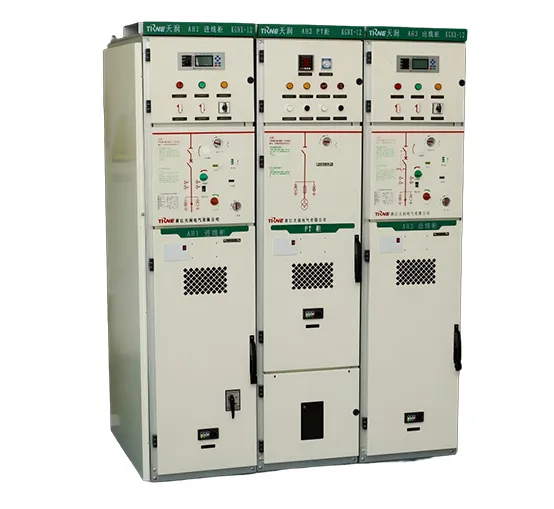
Why GIS Is Important
The global transmission and distribution sector increasingly adopts GIS because it offers:
High operational reliability
Reduced footprint
Better protection against pollution and humidity
Lower maintenance frequency
Enhanced personnel safety
Long service life exceeding 30–40 years
For utilities, industrial facilities, and renewable energy developers, GIS technology helps maximize power network availability while minimizing land costs.
Components of Gas-Insulated Substation (GIS)
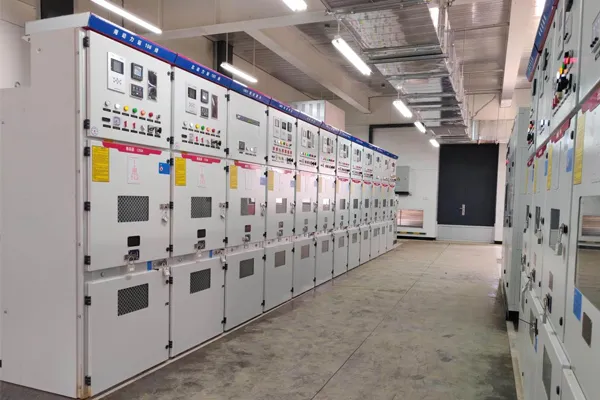
A Gas-Insulated Substation consists of several integrated electrical components enclosed within gas-filled metallic chambers to provide switching, protection, measurement, and power transmission functions.
The exact configuration varies according to voltage level and application, but most GIS systems contain the following major components:
| Component | Function |
|---|
| Circuit Breaker | Interrupts fault currents and normal load currents |
| Disconnect Switch | Isolates equipment for maintenance |
| Earthing Switch | Grounds isolated sections for safety |
| Busbar | Transfers electrical power between bays |
| Current Transformer (CT) | Measures current for protection and metering |
| Voltage Transformer (VT/CVT) | Measures voltage levels |
| Surge Arrester | Protects against transient overvoltages |
| Gas Compartments | Contain insulating gas and electrical equipment |
| Control & Protection System | Monitors and controls GIS operation |
The circuit breaker is often considered the heart of the GIS because it must safely interrupt fault currents that may exceed 40 kA to 63 kA depending on system design.
Typical Voltage Ratings
GIS systems are available across a wide range of voltage levels:
| Voltage Class | Common Applications |
|---|
| 72.5 kV | Distribution substations |
| 145 kV | Regional transmission |
| 245 kV | Utility transmission |
| 420 kV | National grids |
| 550 kV | EHV transmission systems |
| 800 kV+ | Ultra-high voltage projects |
Many modern transmission networks use GIS at 145 kV, 245 kV, and 420 kV, where space savings and reliability benefits are most significant.
Different Types of Gas-Insulated Substation
Gas-Insulated Substations can be classified according to installation method, structure, and application environment.
Understanding the different GIS configurations helps utilities and project engineers select the most suitable solution.
Indoor GIS
Indoor GIS is installed within dedicated buildings.
Advantages include:
Indoor GIS is commonly used in metropolitan substations where land is expensive.
Outdoor GIS
Outdoor GIS is installed in open environments.
Benefits include:
Outdoor GIS is frequently found in transmission substations and power generation facilities.
Hybrid GIS
Hybrid GIS combines GIS technology with air-insulated equipment.
Characteristics:
Hybrid solutions are often selected when existing AIS infrastructure is upgraded.
Mobile GIS
Mobile GIS substations are factory-assembled and transported to project sites.
Applications include:
Deployment can often be completed within days rather than months.
GIS vs AIS Comparison
| Feature | GIS | AIS |
|---|
| Footprint | Very Small | Large |
| Initial Cost | Higher | Lower |
| Maintenance Frequency | Low | Moderate |
| Reliability | Very High | High |
| Pollution Resistance | Excellent | Moderate |
| Installation Space | Up to 80% Less | Standard |
| Urban Suitability | Excellent | Limited |
For densely populated areas, GIS is usually the preferred option despite higher capital costs.
Installation of Gas-Insulated Substation
GIS installation is the process of assembling, testing, and commissioning gas-insulated equipment to ensure safe and reliable operation throughout its service life.
Because GIS equipment is highly engineered and factory-tested, installation quality is critical to long-term performance.
Major Installation Steps
Site Preparation
The foundation and support structures must meet strict alignment requirements.
Equipment Assembly
Factory-shipped modules are connected on-site according to engineering drawings.
Gas Filling
Insulating gas is introduced after vacuum treatment to ensure moisture-free conditions.
Electrical Testing
Engineers perform:
Insulation resistance tests
Contact resistance tests
High-voltage withstand tests
Functional verification tests
Commissioning
Protection systems, SCADA integration, and operational checks are completed before energization.
Proper commissioning significantly reduces future operational risks and improves system reliability.
Maintenance of Gas-Insulated Substation
GIS maintenance involves periodic inspection, gas monitoring, testing, and condition assessment to ensure long-term operational reliability.
One of the greatest advantages of GIS is its relatively low maintenance requirement compared with AIS.
Routine Maintenance Activities
Modern GIS systems typically require:
Visual inspections
Gas density monitoring
Partial discharge testing
Mechanical operation checks
Protection relay verification
Thermal imaging inspections
Many manufacturers recommend major inspections every 10–15 years, depending on operating conditions.
Common Maintenance Challenges
Gas Leakage
Even minor gas leakage can affect insulation performance and environmental compliance.
Partial Discharge
Early detection helps prevent insulation failure.
Mechanical Wear
Frequent switching operations may cause breaker wear over time.
Moisture Contamination
Moisture can reduce dielectric strength and must be carefully controlled.
Today, digital monitoring systems continuously track GIS health and enable predictive maintenance strategies that reduce downtime and maintenance costs.
Why Utilities Choose GIS Solutions from Tenrony
As power infrastructure becomes more complex, utilities require equipment suppliers capable of delivering reliable, efficient, and future-ready solutions. Tenrony provides advanced power transmission and distribution solutions designed to meet modern grid requirements. Through continuous innovation, strict quality control, and engineering expertise, Tenrony supports utility companies, industrial facilities, renewable energy projects, and infrastructure developments worldwide. Whether the project involves substation modernization, grid expansion, or renewable integration, GIS technology offers substantial advantages in reliability, safety, and operational efficiency.
Conclusion
Gas-Insulated Switchgear (GIS) is a highly reliable, compact, and efficient solution for modern power transmission and distribution networks. By enclosing critical electrical components within gas-insulated metal compartments, GIS significantly reduces space requirements while delivering superior safety, reliability, and environmental resistance.
Understanding the components of a gas-insulated substation, the different GIS types, and proper installation and maintenance practices allows utilities and industrial operators to maximize asset performance and operational uptime. As grid modernization continues worldwide, GIS technology will remain a key enabler of resilient and future-ready electrical infrastructure.
For organizations seeking advanced substation solutions, Tenrony provides professional expertise and dependable products to support long-term power system success.
Frequently Asked Questions (FAQ)
1. What gas is used in Gas-Insulated Switchgear?
Most GIS systems use SF₆ gas because of its excellent dielectric strength, although environmentally friendly alternatives are increasingly being adopted.
2. How much space can GIS save compared to AIS?
GIS can reduce substation footprint by approximately 60%–80%, depending on voltage level and configuration.
3. What is the typical service life of a GIS substation?
A well-maintained GIS installation commonly operates for 30–40 years or more.
4. Is GIS safer than AIS?
Yes. GIS equipment is enclosed within grounded metal compartments, significantly reducing exposure to live parts.
5. What voltage levels are available for GIS?
Commercial GIS systems are available from 72.5 kV to more than 800 kV.
6. How often should GIS equipment be maintained?
Routine inspections are usually conducted annually, while major overhauls may be required every 10–15 years depending on manufacturer recommendations and operating conditions.
The Author — Mr. Cai Dongpo
About Our Chief Engineer
Mr. Cai Dongpo is the Chief Engineer of Tenrony. Since joining the company in 2007, he has devoted his entire career to technical design and engineering, building extensive, hands-on expertise across electromechanical design projects. Over nearly two decades, he has played a key design role in a series of major industrial and infrastructure programs — including the China Coal Pingshuo Group, China Coal Pinglu Group, the CRRC (CNR) locomotive manufacturing production line, the CRRC (CSR) production line, and the Sunan Shuofang International Airport expansion project. His deep technical command and proven project track record form a cornerstone of Tenrony's engineering strength.
 English
 русский