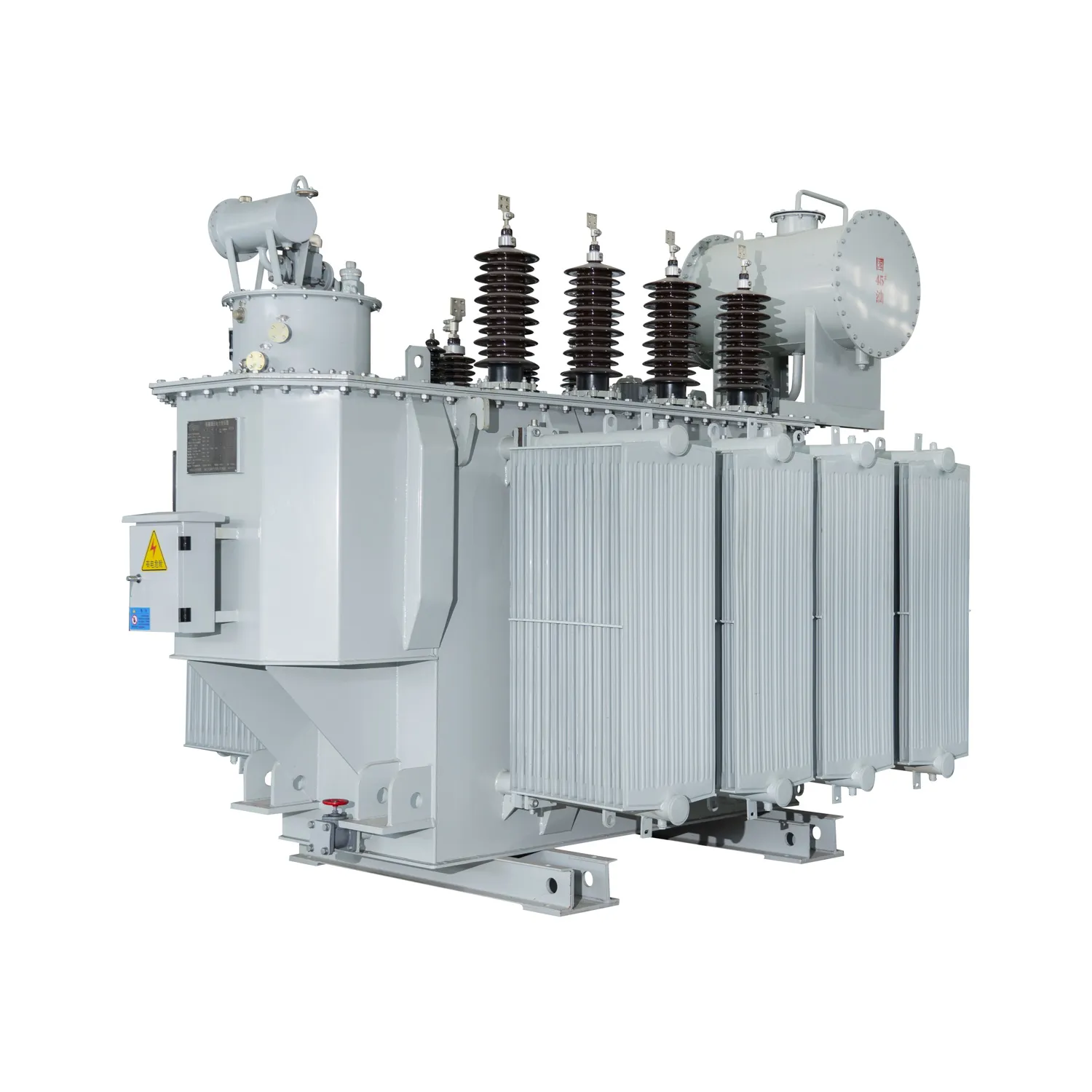
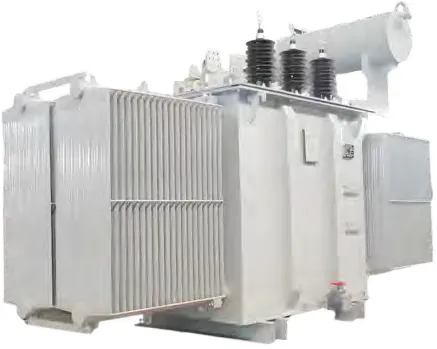
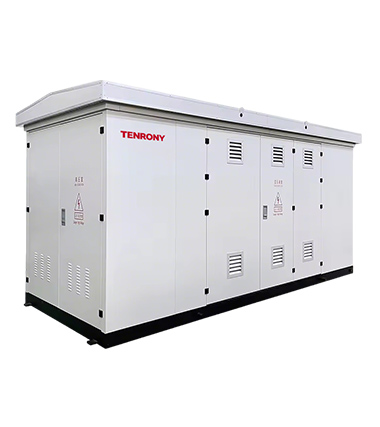
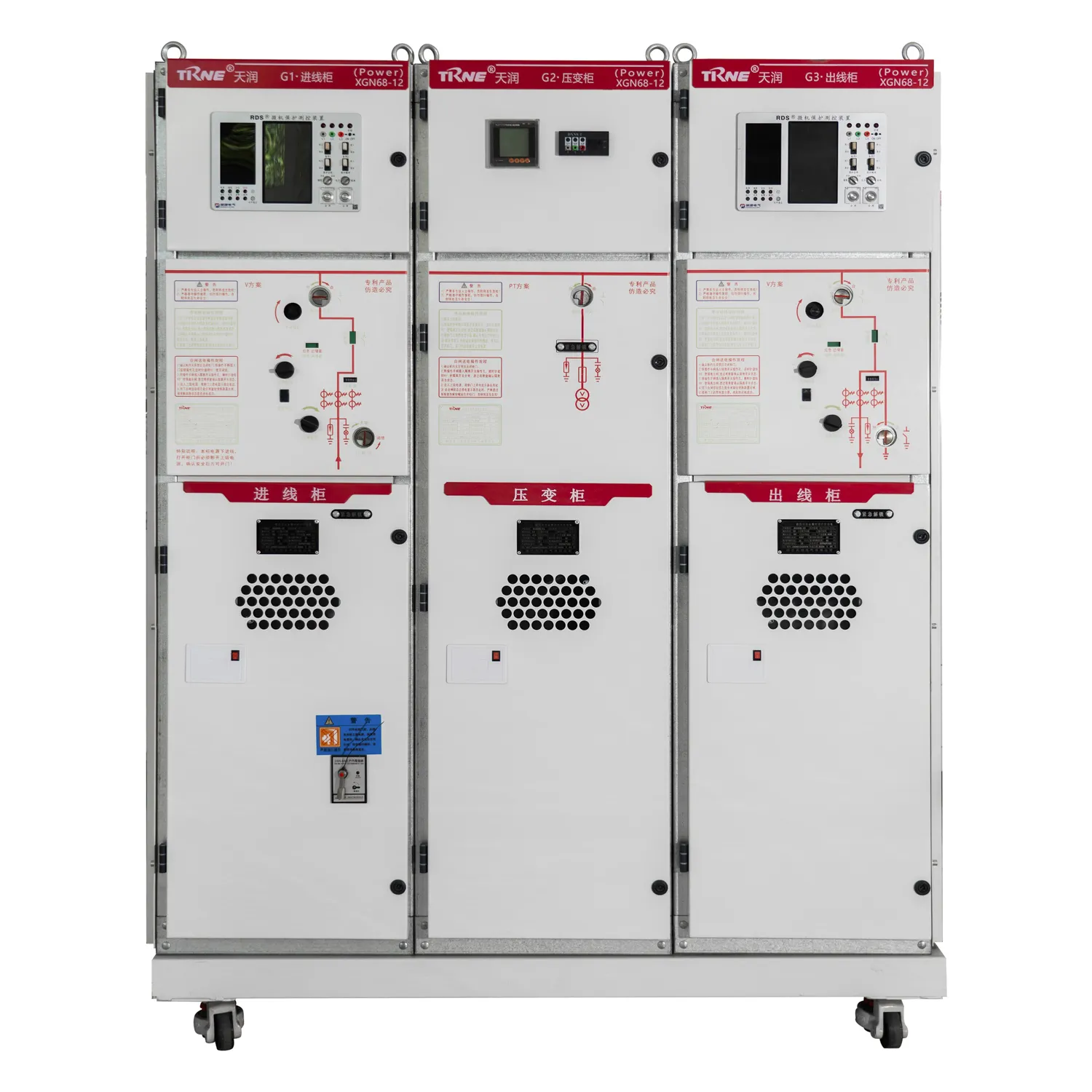
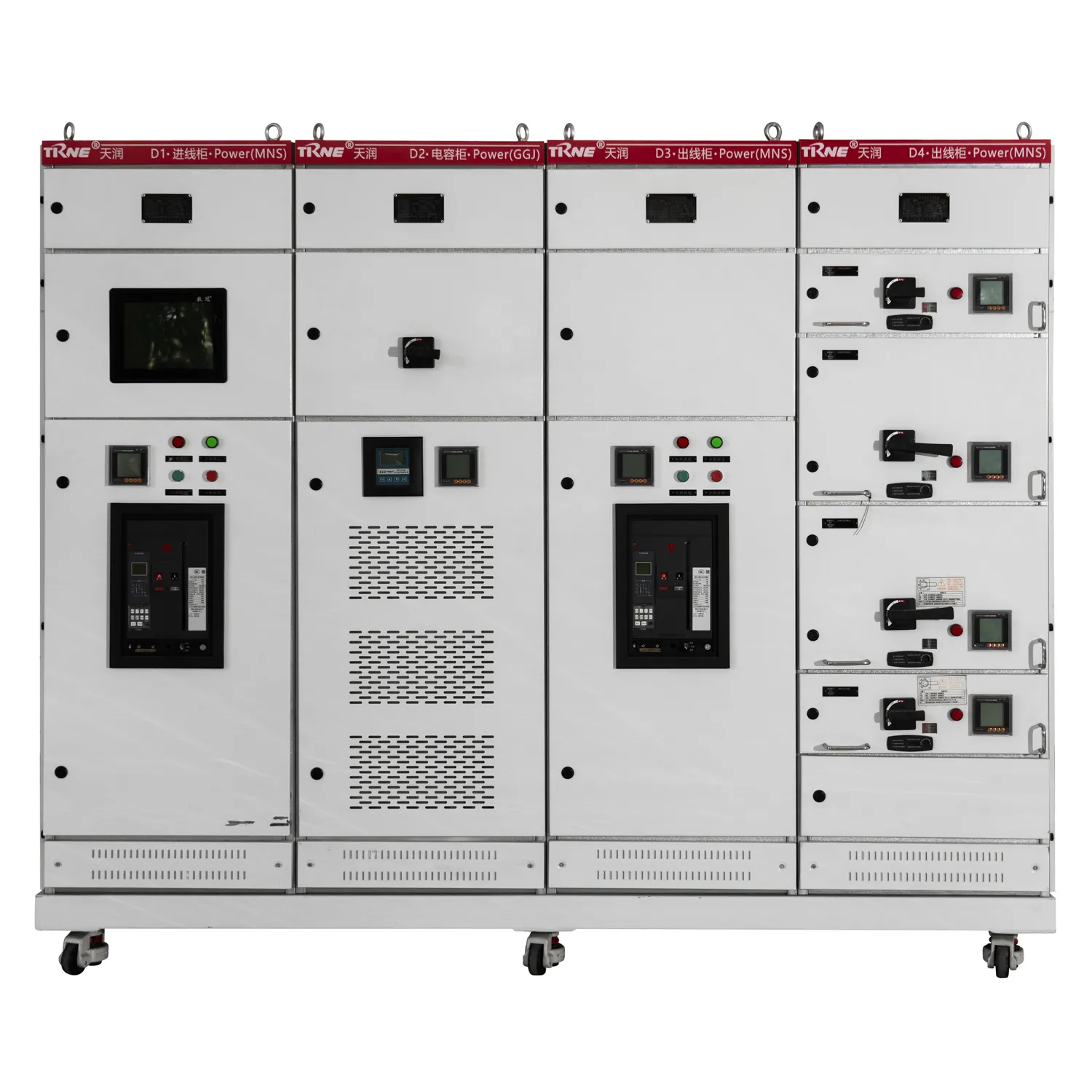
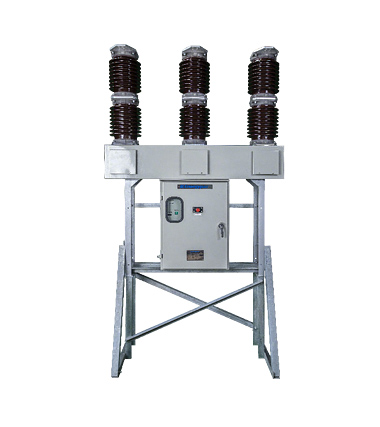
Power transformers are the backbone of electrical power systems, responsible for transmitting and distributing electricity efficiently and safely. Before leaving the factory, every transformer must undergo a series of rigorous tests to verify its performance, quality, and compliance with national and international standards. These tests are categorized into routine tests, type tests, and special tests, each serving a unique purpose to guarantee the transformer's stable operation in real-world applications.
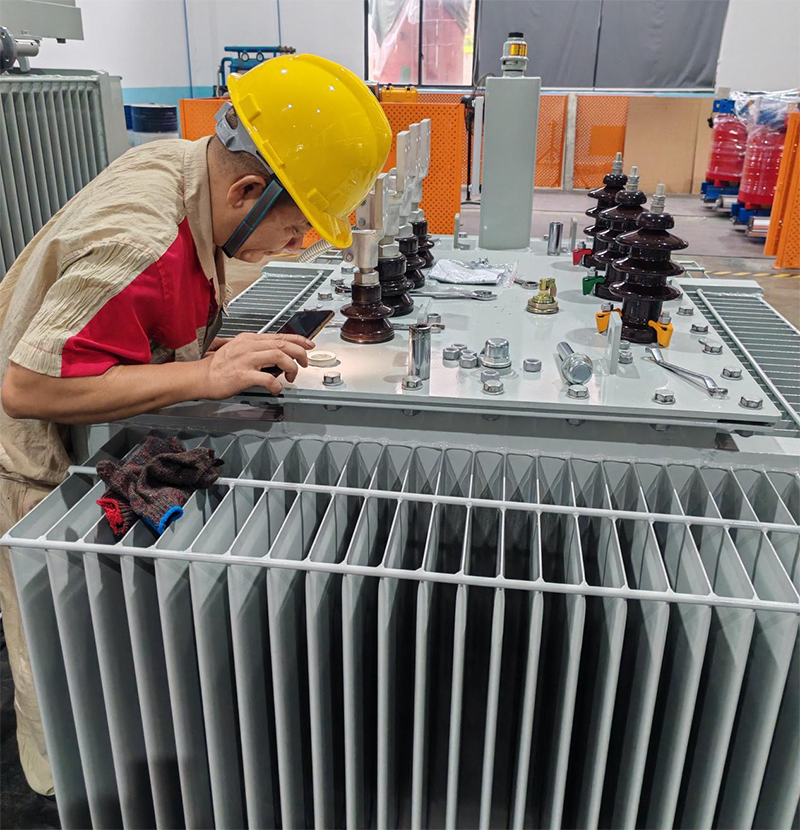
Routine Tests: Essential Checks for Every Transformer
Routine tests are mandatory for every unit before shipment. They are designed to inspect the basic performance and manufacturing quality of the transformer, ensuring no obvious defects or inconsistencies.
Winding Resistance Measurement: Measures the DC resistance at each tap position to check for turn-to-turn short circuits, poor lead connections, or welding defects. This test ensures the winding structure is intact and conductive paths are unobstructed.
Voltage Ratio Measurement and Connection Group Label Verification: Verifies that the transformer's voltage ratio matches the design requirements and that the winding connection group label is correct. This is critical for ensuring the transformer integrates seamlessly into the power grid.
Insulation Resistance, Absorption Ratio, or Polarization Index Measurement: Evaluates the overall moisture level or cleanliness of the transformer's insulation system. A low insulation resistance may indicate moisture ingress or contamination, which could lead to insulation failure.
Dielectric Loss Factor (tanδ) and Capacitance Measurement: Identifies insulation defects such as moisture, aging, or oil deterioration. The dielectric loss factor reflects the energy loss in the insulation, providing insights into its health condition.
No-Load Loss and No-Load Current Measurement: Conducted at rated voltage to inspect the quality of the iron core, magnetic circuit defects, or turn-to-turn short circuits. Abnormal no-load loss or current may indicate issues with the core lamination or winding insulation.
Short-Circuit Impedance and Load Loss Measurement: Measures the short-circuit impedance and load loss of the windings to verify the transformer's performance and efficiency under rated load conditions. This test also helps assess the transformer's ability to withstand short-circuit currents.
Applied Voltage Withstand Test: Applies high voltage to the low-voltage windings or ground to test the strength of the main insulation. This ensures the transformer can withstand normal operating voltages and transient overvoltages.
Induced Voltage Withstand Test: Uses a frequency-doubling and voltage-doubling method to test the longitudinal insulation (turn-to-turn and layer-to-layer insulation) of the windings. This is crucial for preventing insulation breakdown between adjacent turns or layers.
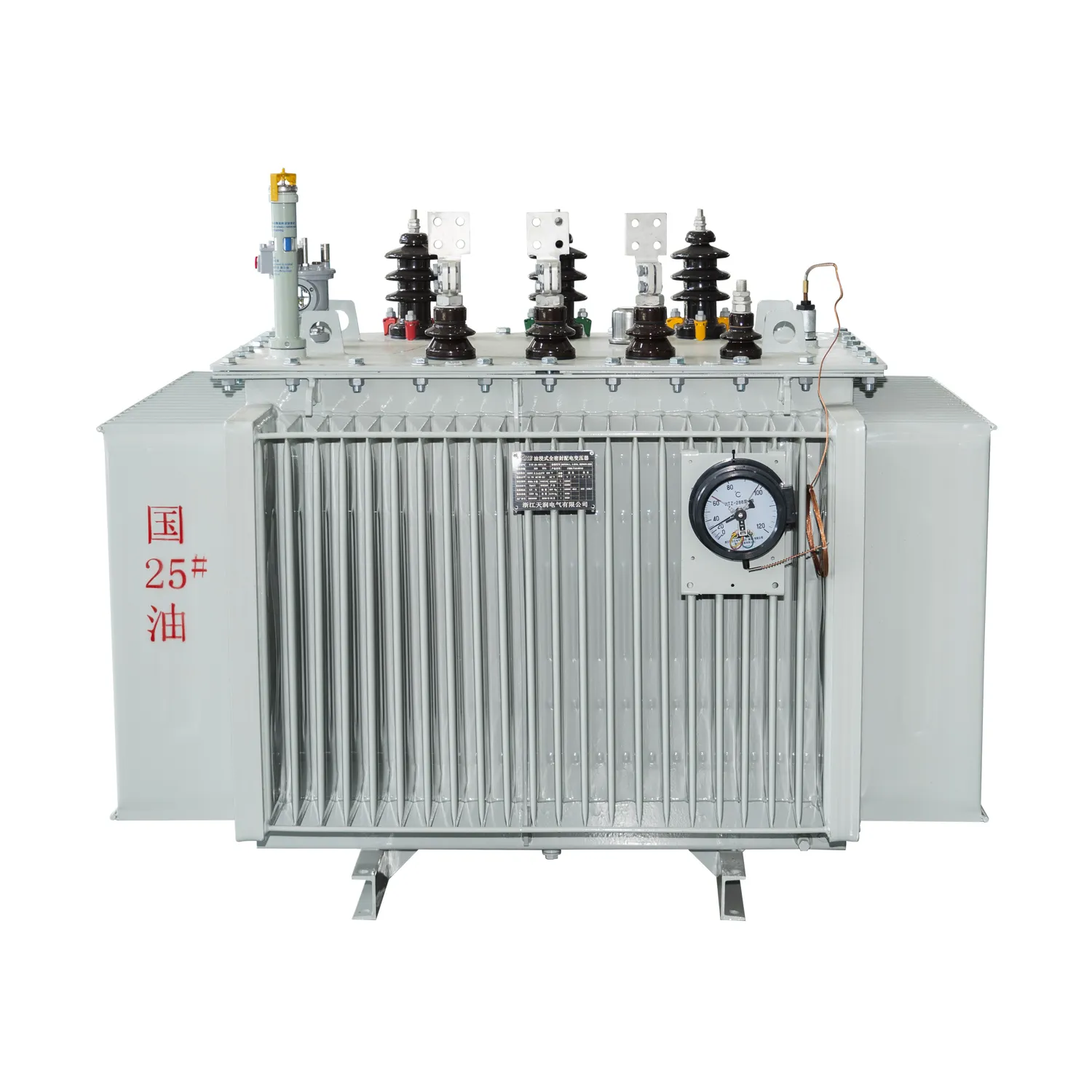
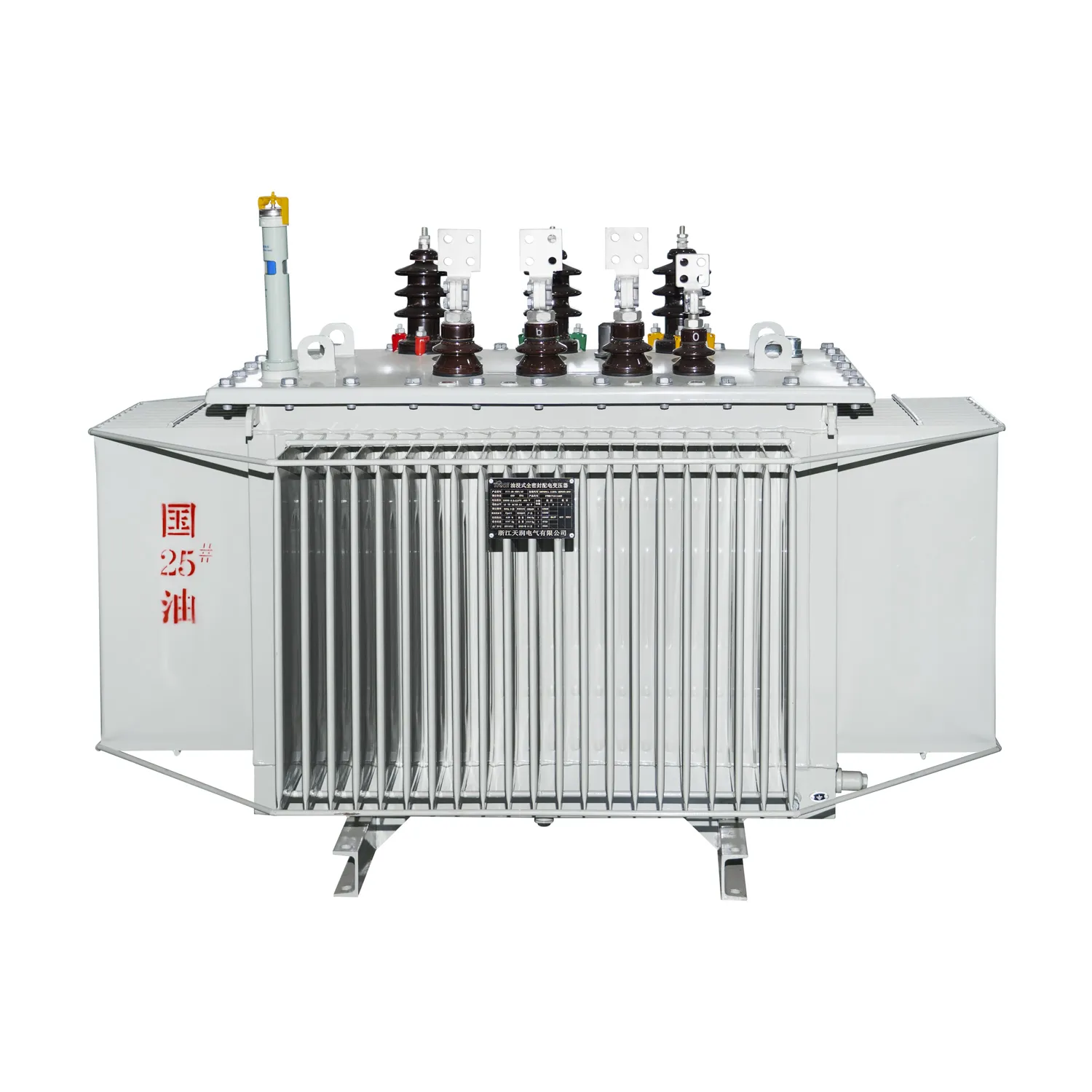
Insulating Oil Test (for Oil-Immersed Transformers): Analyzes dissolved gases in the oil, breakdown voltage, and other indicators to judge the oil quality and potential internal faults. The insulating oil acts as both an insulator and a coolant, so its quality directly affects the transformer's lifespan.
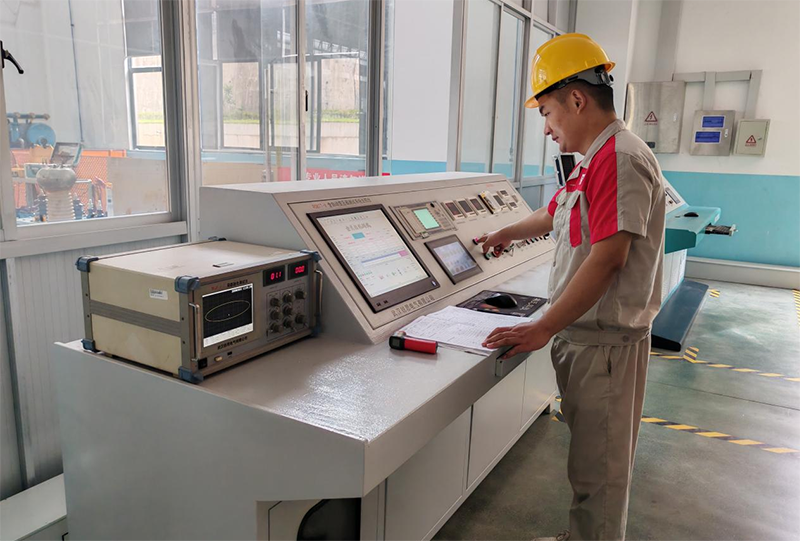
Type Tests: Validating Design Excellence
Type tests are performed when a new transformer model is finalized or when there are significant design changes. Their purpose is to verify that the design meets the requirements of relevant standards and can perform reliably under various operating conditions.
Temperature Rise Test: Simulates rated load or specific overload conditions to measure the temperature rise of the windings, iron core, and top oil layer. This ensures the transformer's temperature does not exceed the specified limit, preventing overheating and insulation aging.
Lightning Impulse Test: Simulates lightning overvoltage waves to test the transformer's insulation ability to withstand atmospheric overvoltages. This is essential for transformers installed in areas prone to lightning strikes.
Switching Impulse Test: For higher voltage level transformers, this test simulates the overvoltage generated by switch operations. It ensures the insulation can withstand the transient voltages caused by grid switching.
Partial Discharge Measurement: Detects harmful partial discharges in the insulation structure under voltages higher than the rated voltage. Partial discharges can gradually damage the insulation, so early detection is key to extending the transformer's service life.
Special Tests: Customized for Specific Needs
Special tests are additional tests conducted based on user requirements or specific application scenarios. They address unique challenges that the transformer may face in its intended use environment.
Short-Circuit Withstand Capability Test: Verifies the mechanical and thermal stability of the transformer during an external short circuit. This ensures the transformer can withstand the high currents and mechanical forces generated by short-circuit faults without damage.
Sound Level Measurement: Measures the noise level of the transformer during operation to ensure it meets environmental protection requirements. This is particularly important for transformers installed in residential or noise-sensitive areas.
Zero-Sequence Impedance Measurement: Determines the impedance parameters under zero-sequence current, which is used for the calculation of system ground protection. This helps ensure the transformer can be effectively protected in the event of a ground fault.
Winding Deformation Test: Uses methods such as Frequency Response Analysis (FRA) to detect whether the windings have shifted or deformed. Winding deformation can occur during transportation or installation, leading to serious faults if not detected.
No-Load Current Harmonic Measurement: Measures the harmonic components in the no-load current. Harmonics can affect the power quality of the grid, so this test ensures the transformer's no-load current harmonics are within acceptable limits.
Environmental Adaptability Test: Conducts adaptability assessments for special operating environments, such as high altitude, high salt spray, low temperature, etc. This ensures the transformer can operate reliably in harsh conditions.
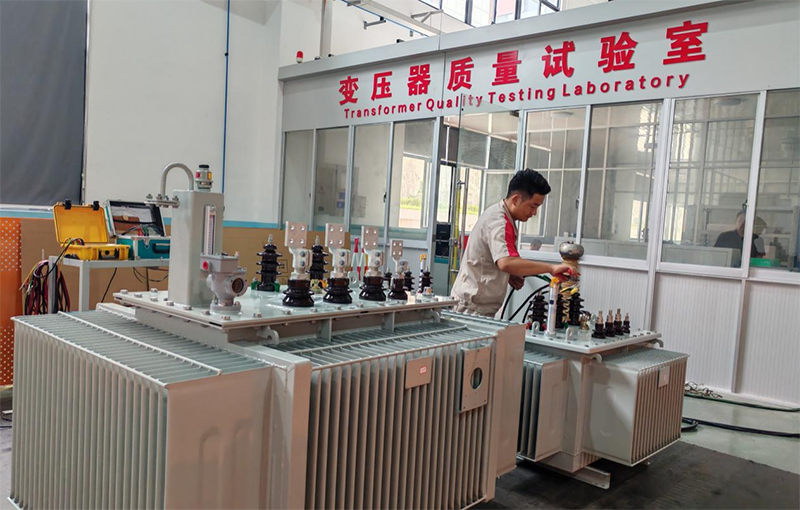
Implementation Standards and Testing Equipment
All these tests are strictly implemented in accordance with national and IEC standards, such as the GB/T 1094 series and IEC 60076 series. In practical testing, a variety of high-precision professional instruments are used, including dielectric loss testers for insulation diagnosis, frequency response analyzers for winding deformation analysis, and oil chromatographic analyzers for internal fault diagnosis.
For Tenrony power transformers, strict compliance with these factory test items is non-negotiable. Each test is designed to eliminate potential risks and ensure that every transformer delivered to the user is safe, reliable, and capable of meeting long-term operational demands. Whether you are interested in a specific test item (such as the temperature rise test or partial discharge measurement) or need more details about transformer testing, we are here to provide professional insights.
 English
 русский