Zhejiang Tenrony Electricity Co., Ltd.

Function of a Transformer Oil Conservator (Expansion Tank)

Table of Content [Hide]

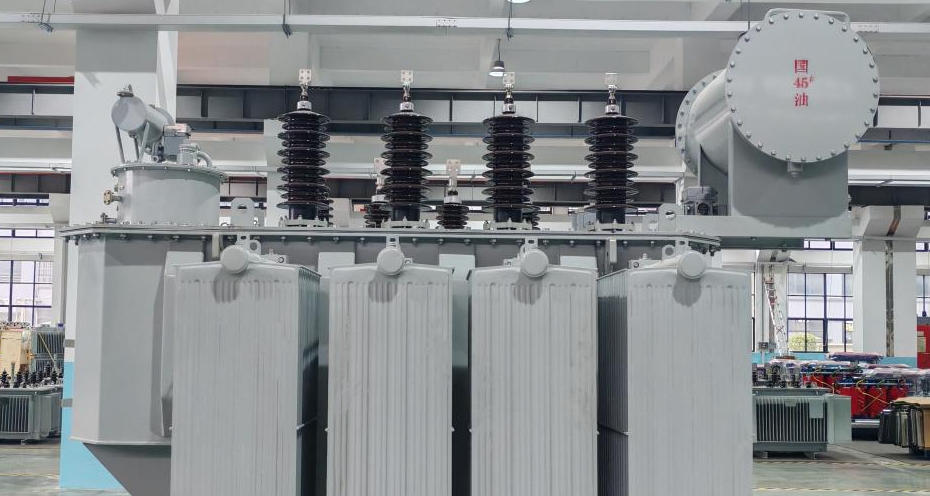
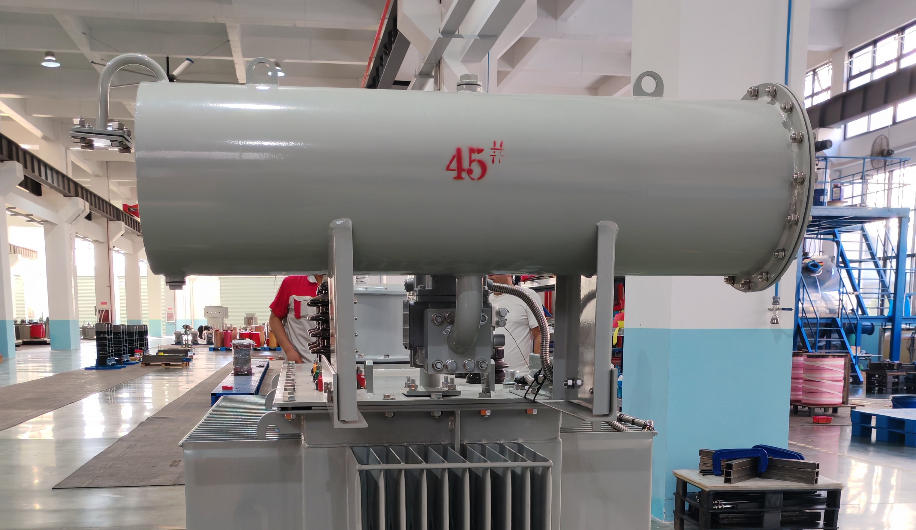
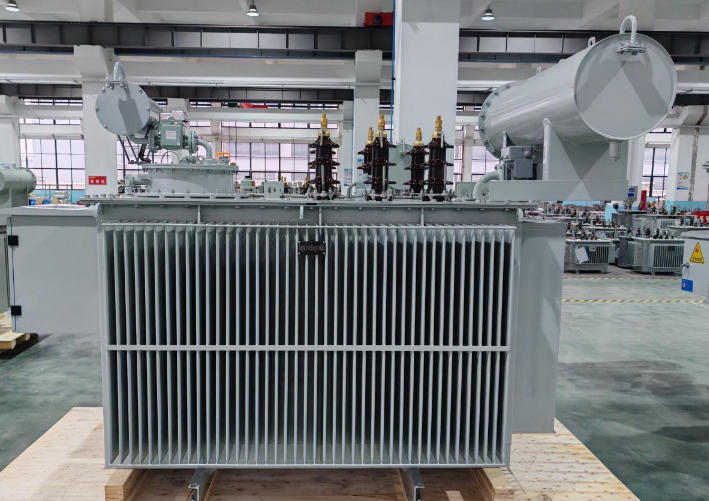
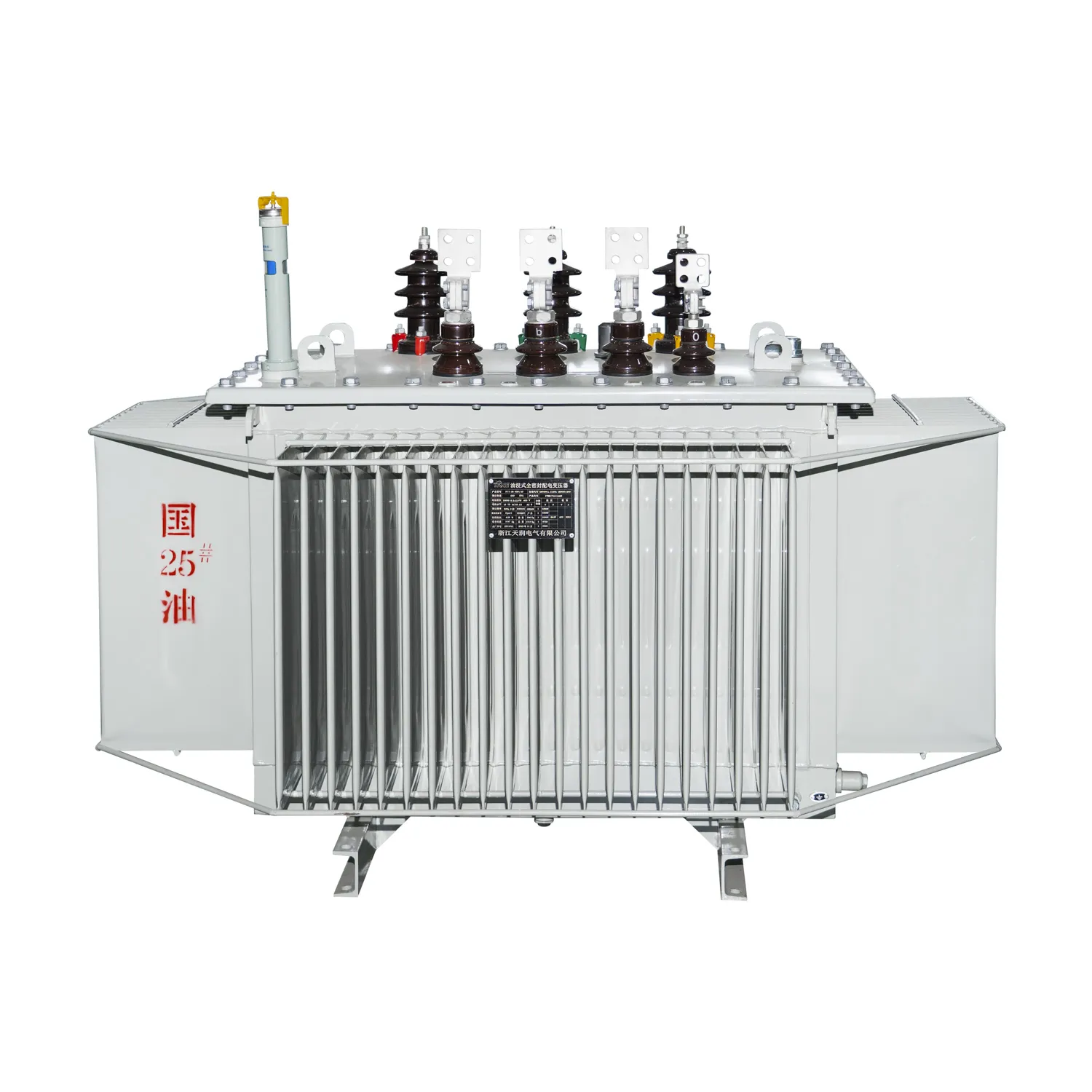
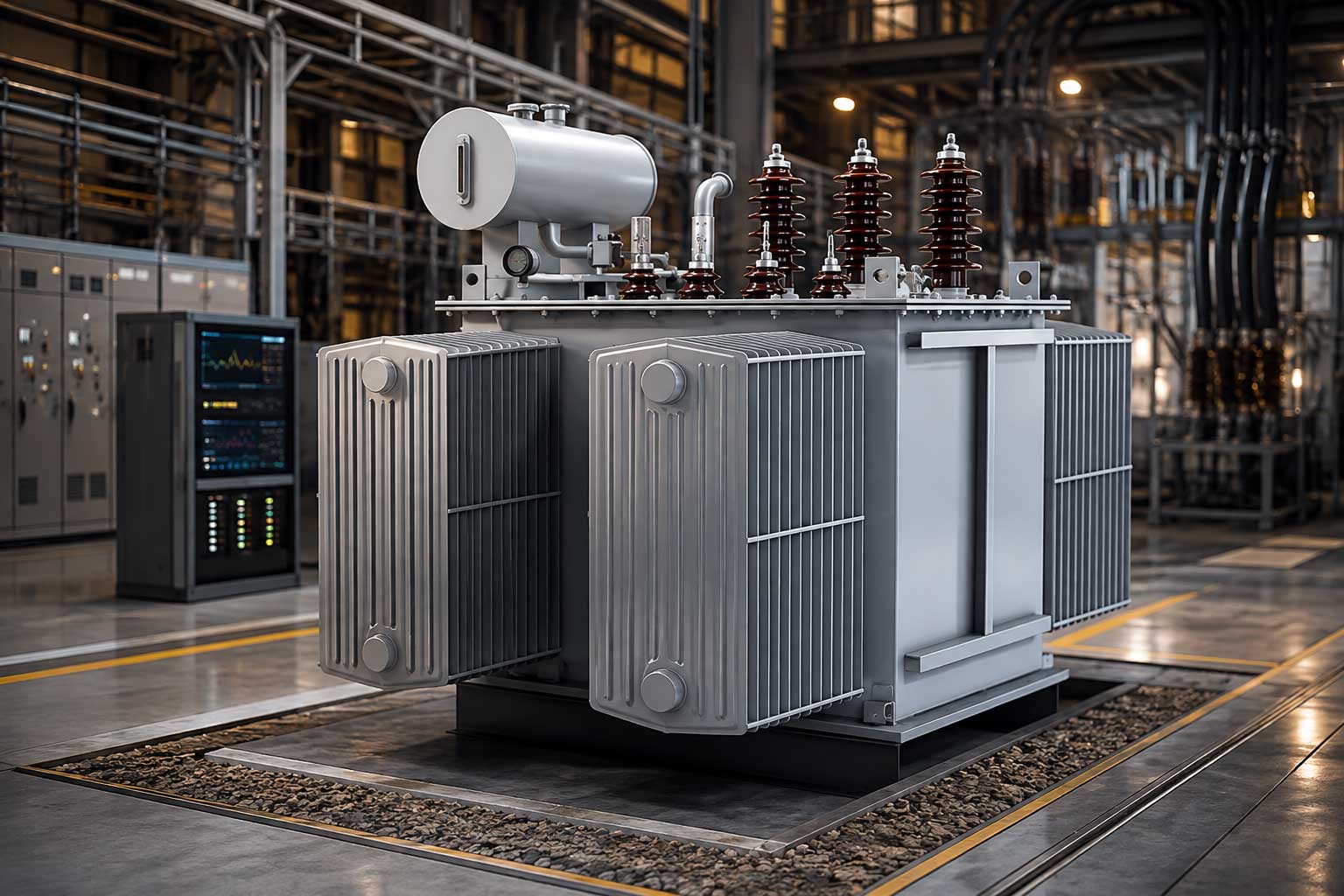
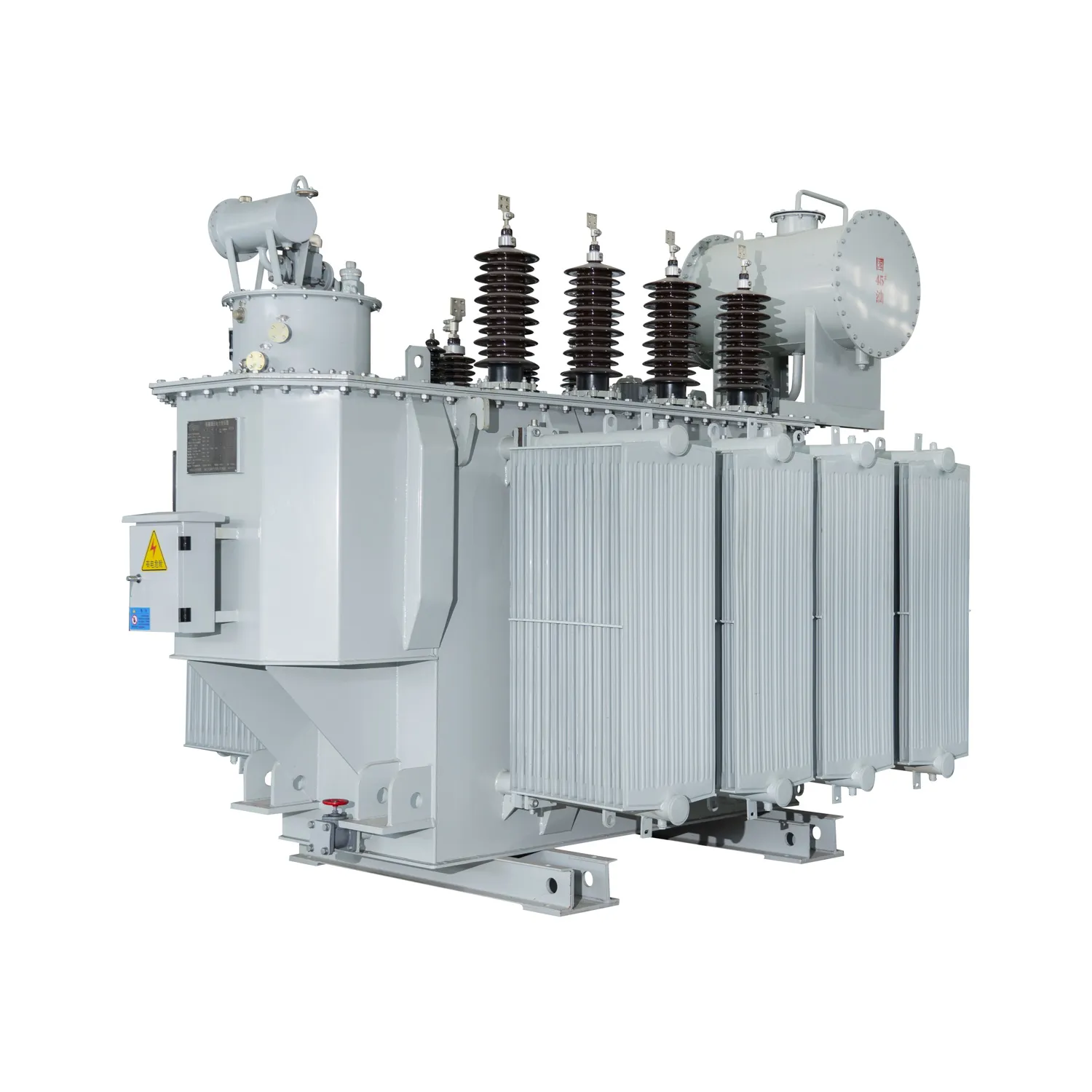
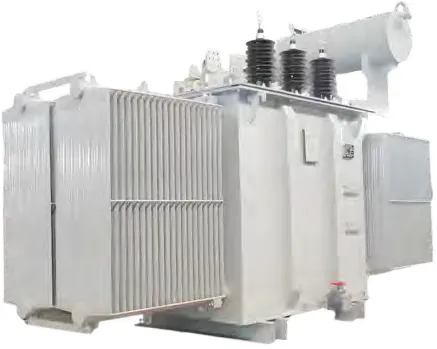
    An oil conservator, also known as an expansion tank, is a cylindrical or cabinet-shaped vessel mounted above a transformer and connected to the main oil tank via a pipe. Its primary functions are as follows:


    1.Regulate Oil Volume to Prevent Tank Pressure Damage

    Thermal Expansion Buffer:

    The insulating oil inside the transformer expands when the temperature rises during operation and contracts when the transformer is idle or exposed to lower ambient temperatures. The conservator provides extra space for oil to expand and contract freely, preventing excessive pressure buildup (which could rupture the tank) or vacuum formation (which could collapse the tank).

    Maintain Full Oil Level:

    Regardless of temperature fluctuations, the conservator ensures the main oil tank (transformer body) remains completely filled with insulating oil, preventing exposure of windings and core to air, which could compromise insulation integrity。


    2.Reduce Oil-Air Contact to Slow Aging

    Minimize Air Exposure:

    Without a conservator, air would occupy the upper space in the oil tank, directly contacting the oil surface. The conservator ensures the main tank remains fully filled, limiting air contact to only the oil surface inside the conservator. This significantly reduces oxidation and moisture absorption.

    Collaboration with Desiccant Breather:

    The conservator is typically equipped with a desiccant breather (e.g., filled with silica gel) at the top. When oil level drops, air enters through the breather, with moisture removed by the desiccant. When oil expands, air is expelled through the breather. This system prevents humidity and contaminants from entering the oil, slowing oil degradation and maintaining insulation performance。


    3.Enable Gas Relay Installation for Protection

    The gas relay (Buchholz relay) is installed in the connecting pipe between the conservator and the main tank. The conservator ensures reliable operation of the relay:

    Minor Gas Alarm:
    Small gas bubbles generated by minor faults (e.g., localized overheating, partial discharge) rise into the relay chamber, triggering an alarm.

    Major Gas Trip:
    Severe faults producing large volumes of gas create a surge of oil and gas, activating the relay’s baffle plate and tripping the circuit breaker to isolate the transformer。


    4.Facilitate Oil Refilling and Oil Level Monitoring

    Centralized Oil Replenishment:

    Oil can be added directly into the conservator without opening the main tank, simplifying maintenance.

    Oil Level Indication:

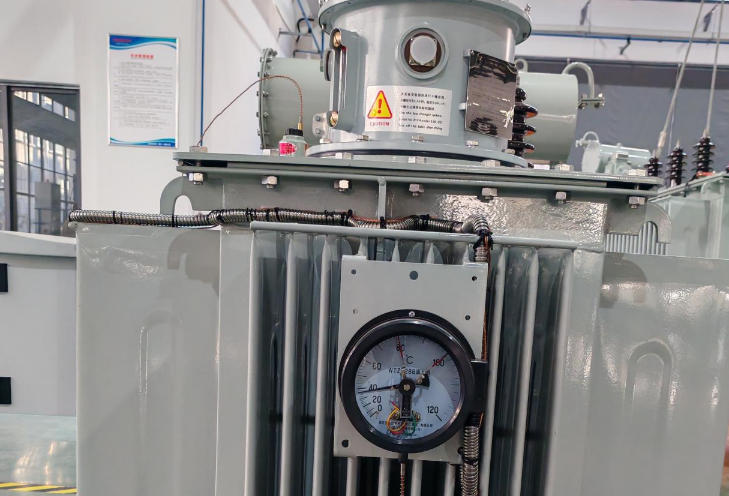
    A sight glass (oil gauge) on the conservator allows operators to visually monitor oil levels, identifying leaks or the need for oil top-up。


    Common Types of Oil Conservators

    Open-Type Conservator:

    The internal air communicates with the atmosphere via a desiccant breather.

    Diaphragm/Capsule-Type Conservator:

    A rubber diaphragm or capsule separates oil from air. The capsule is vented to the atmosphere through a breather, while oil remains isolated, further reducing oxidation.

    Metal Bellows-Type Conservator:

    Utilizes a sealed metal bellows that expands or contracts to accommodate oil volume changes, achieving full oil-air isolation.


    Abstract

    The oil conservator acts as a dynamic buffer, accommodating thermal expansion and contraction of insulating oil. It protects oil quality by minimizing air exposure, enables critical gas relay protection, and simplifies maintenance tasks like oil level monitoring and refilling. As a vital component, it ensures the transformer’s safe and stable operation over its service life。


    References
    We use cookies to offer you a better browsing experience, analyze site traffic and personalize content. Part of the tracking is necessary to ensure SEO effectiveness,
    By using this site, you agree to our use of cookies. Visit our cookie policy to learn more.

    Reject Accept