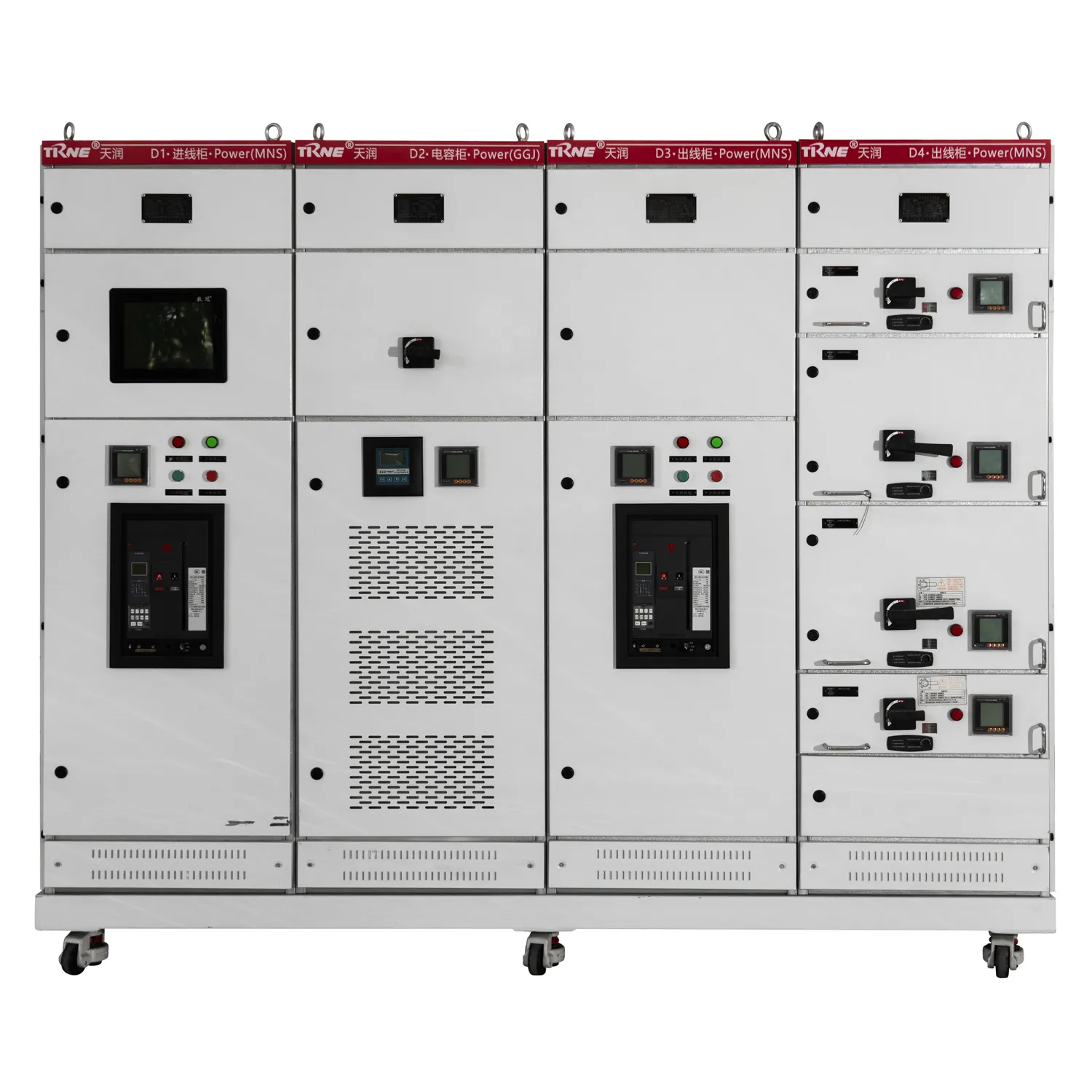
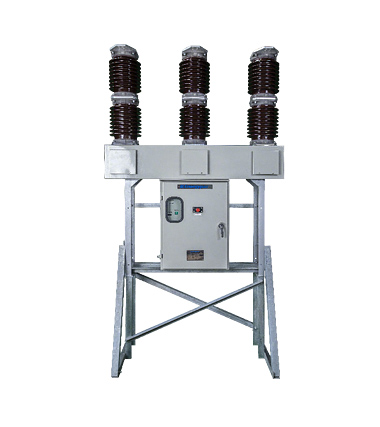
I. Core Definition
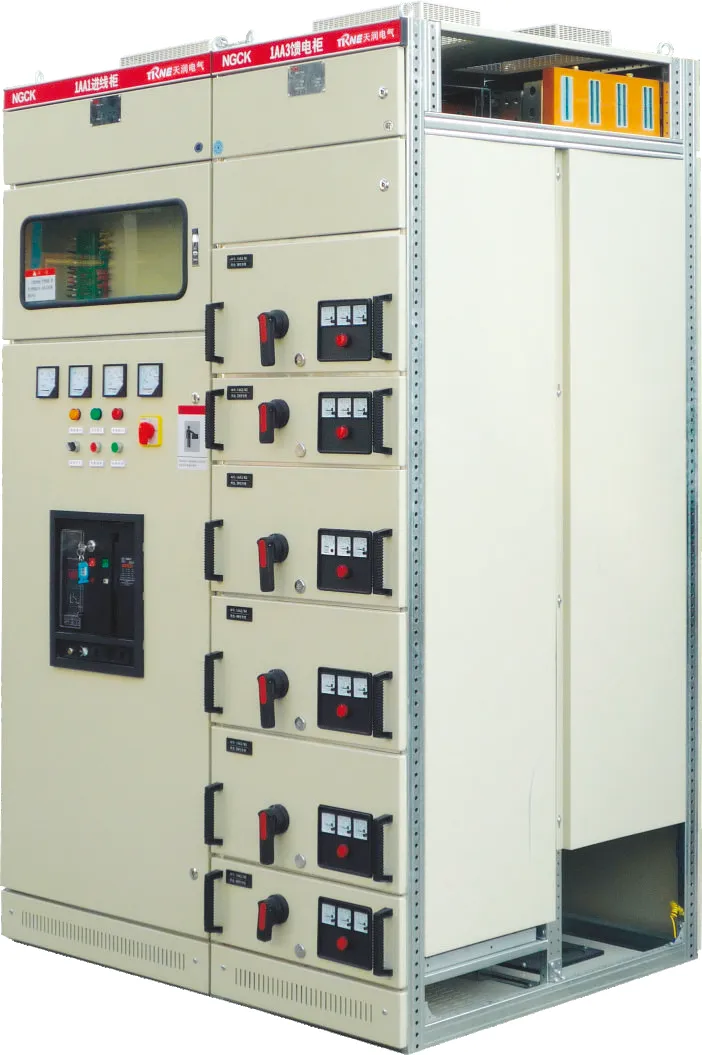
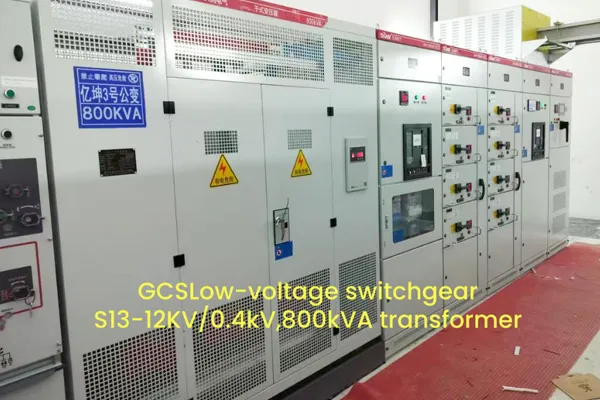
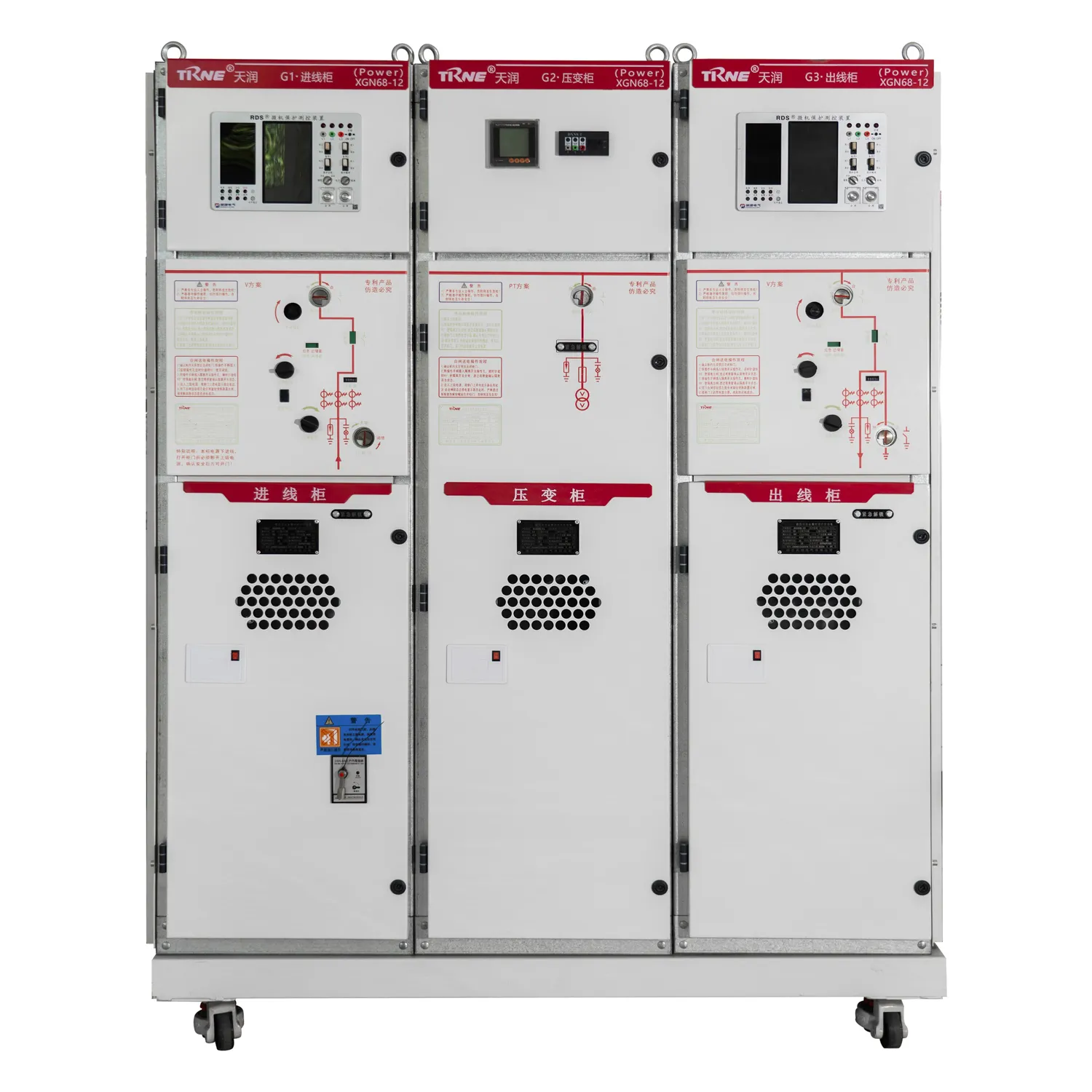
A low-voltage switchgear is a closed/semi-closed metal complete power distribution device that assembles low-voltage switchgear and supporting control, measurement, signal, protection, and regulation devices according to standard schemes. Its rated voltage is usually ≤1kV (commonly 0.22kV, 0.38kV, 0.66kV), and its core function is to realize the distribution, control, protection, and monitoring of low-voltage electrical energy. It is the core terminal equipment of industrial, commercial, and civil power supply systems.
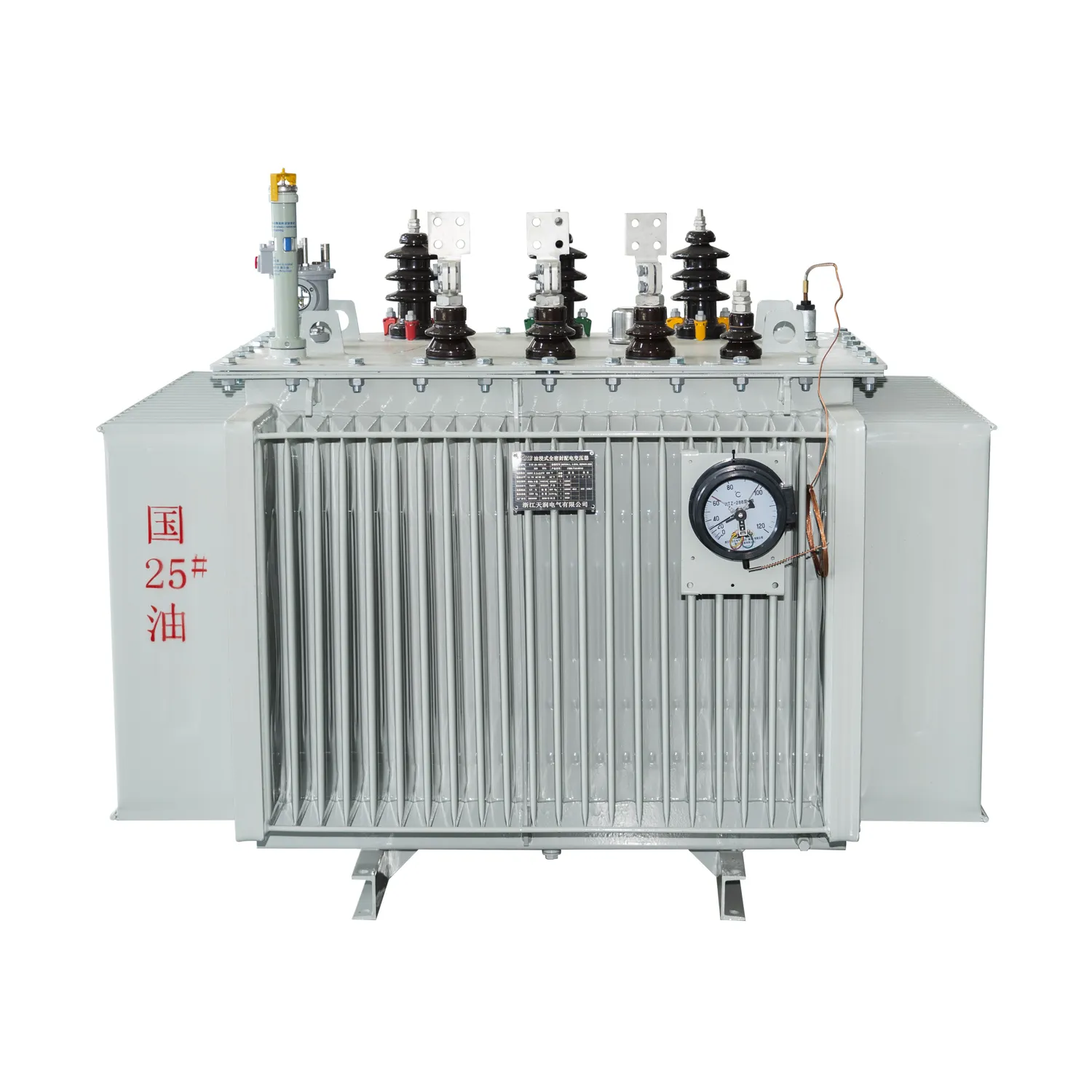
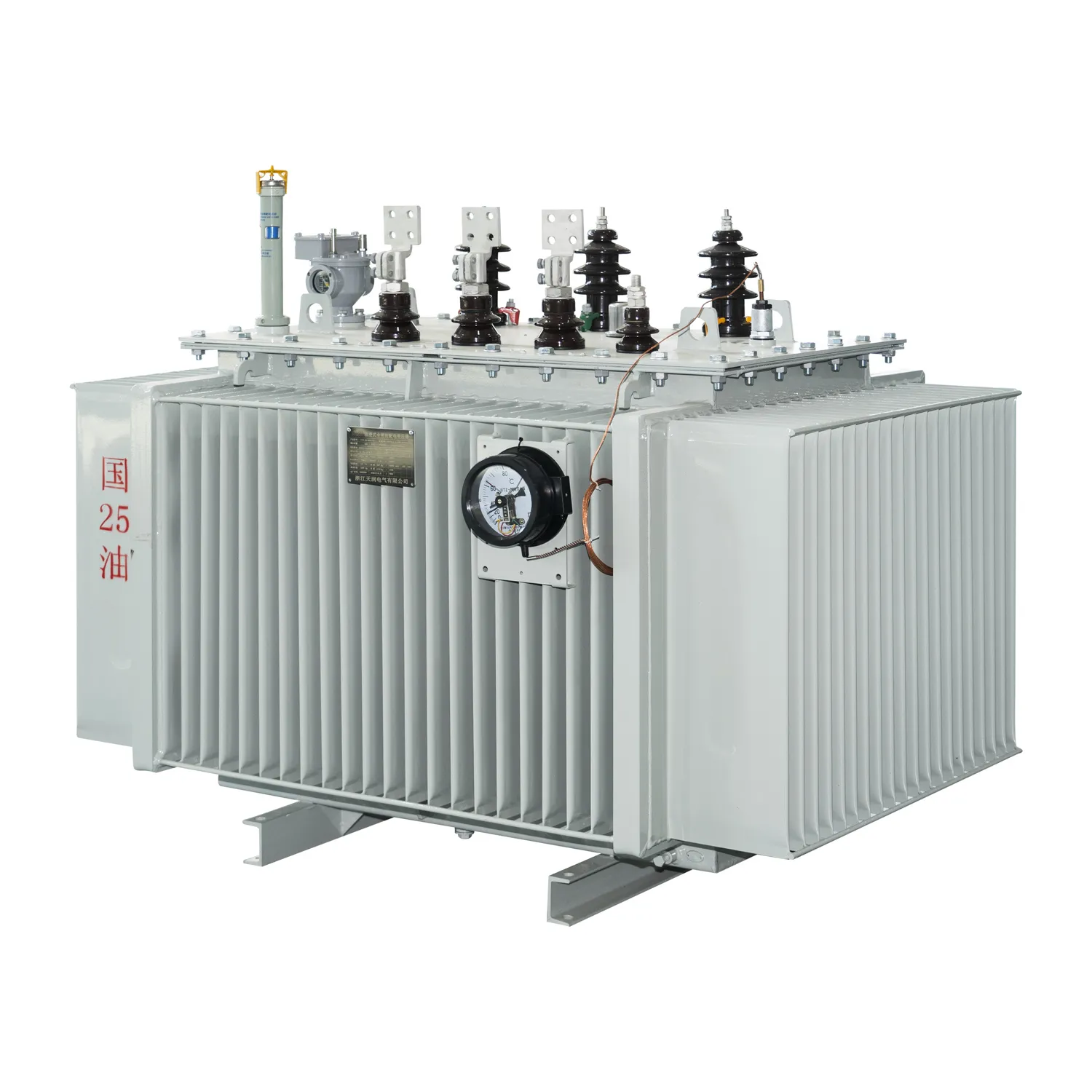
It can be popularly understood as: the "general dispatching center + safety guard" of low-voltage electrical energy, which is responsible for receiving the low-voltage power output by the transformer, accurately distributing it to each power consumption circuit, and ensuring the safe operation of lines and equipment.
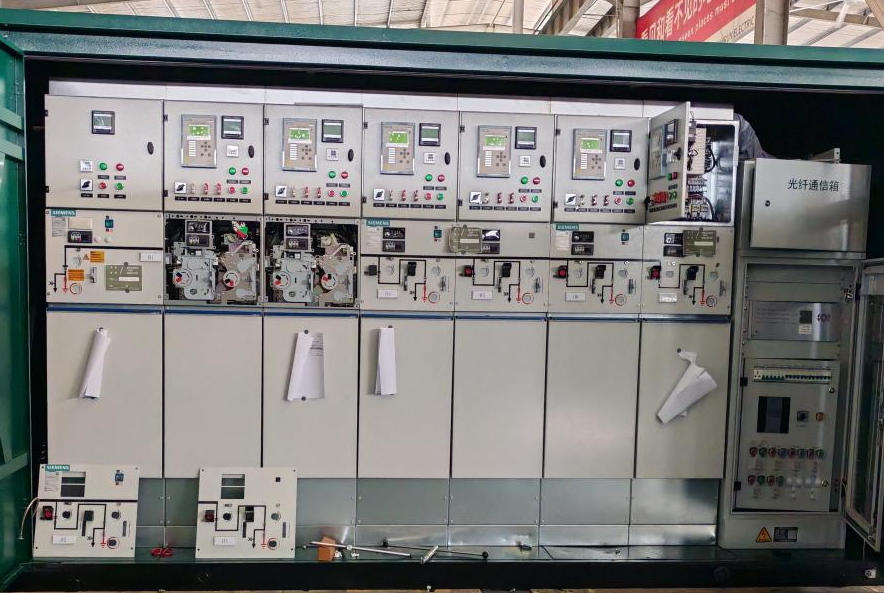
II. Core Structural Composition
The low-voltage switchgear is composed of four parts: cabinet body, core components, busbar system, and functional units, which work together to realize the power distribution function.
1. Cabinet Body: Protection and Support Carrier
• Material and Technology: The main body is made of cold-rolled steel plate (frame 2.0-2.5mm, door panel/side panel 1.5-2.0mm), which is degreased, phosphated, and electrostatically sprayed for corrosion resistance and wear resistance.
• Structure Type:
○ Fixed type (such as GGD): Components are fixedly installed, with simple structure and low cost, suitable for scenarios with stable load;
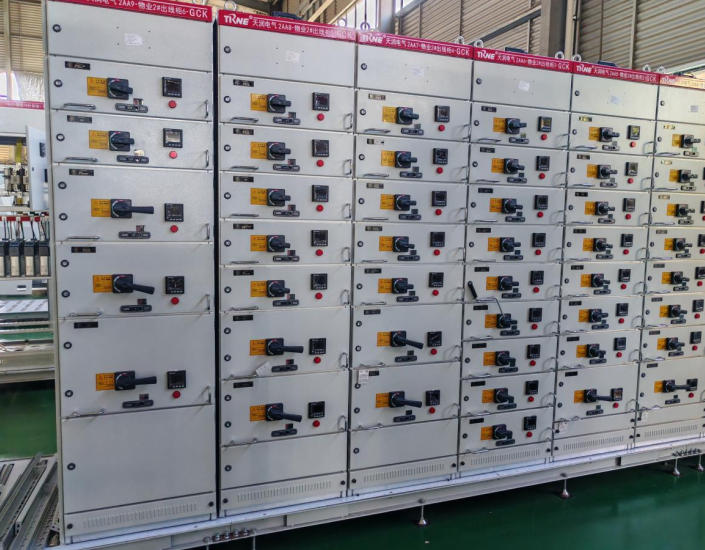
○ Drawer-type/withdrawable type (such as GCS, GCK, MNS): Modular design, loops are independent units, which can be quickly pulled out for maintenance without affecting the operation of other loops, suitable for scenarios with frequent operations.
• Protection Level: Common IP30/IP40 (against solid foreign objects), IP54 (dustproof and waterproof) can be selected for outdoor/humid environments, and partitions are set inside to separate primary and secondary loops to avoid electromagnetic interference.
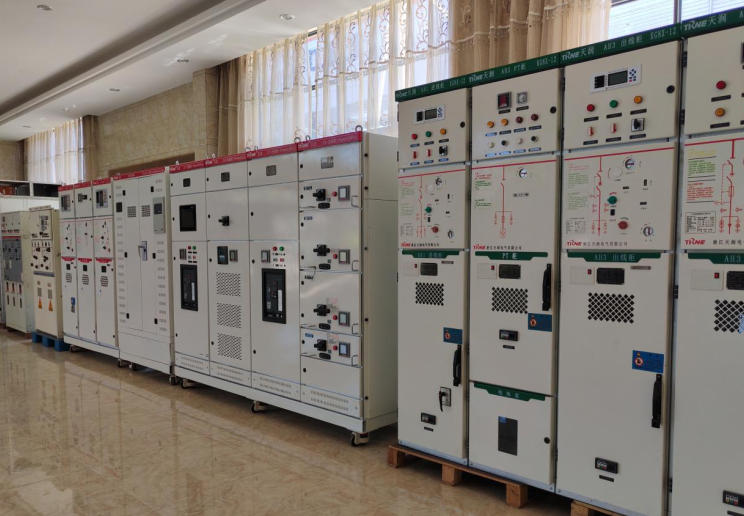
2. Core Components: Key to Function Implementation
Component Type | Representative Equipment | Core Function |
Primary Components | Air Circuit Breaker (ACB), Molded Case Circuit Breaker (MCCB) | Overload, short-circuit, undervoltage protection, and control of circuit on/off |
Primary Components | Contactor, Thermal Relay | Remote control of motor start and stop, and realization of overload protection |
Primary Components | Current Transformer (CT)/Potential Transformer (PT) | Measure current/voltage and provide signals for protection devices |
Secondary Components | Ammeter, Voltmeter, Electric Energy Meter | Monitor operating parameters and measure energy consumption |
Secondary Components | Control Buttons, Indicators, Relays | Realize manual control, status display and signal transmission |
3. Busbar System: Electrical Energy Transmission Channel
Busbars are low-impedance copper bar conductors, divided into main busbars, branch busbars, neutral line busbars, and ground line busbars. The main busbar is vertically installed on the top/middle of the cabinet, with a current-carrying capacity ranging from 630A to 6300A. The surface is tinned to prevent oxidation, and the connection is fastened with bolts to ensure reliable transmission of large currents.
4. Functional Units: Scenario-Based Configuration
According to functions, it is divided into power distribution unit (PC cabinet), motor control unit (MCC cabinet), reactive power compensation unit, metering unit, etc., which can be flexibly combined according to power consumption needs.
III. Core Functions
1. Electrical Energy Distribution and Control
Receive the low-voltage power output by the transformer, output through multiple loops, accurately distribute it to various loads such as lighting, power, air conditioning, and elevators, and support remote/local control of circuit on/off.
2. Multiple Safety Protection
• Overload Protection: The circuit breaker monitors the current and automatically trips when overloaded;
• Short-Circuit Protection: Quickly cut off the short-circuit current to avoid equipment burnout;
• Leakage Protection: Detect leakage to ensure personal safety;
• Misoperation Prevention: The drawer-type cabinet is equipped with mechanical interlocking to avoid load-carrying operation.
3. Operation Monitoring and Metering
Real-time monitor parameters such as current, voltage, and power through instruments, and the electric energy meter accurately measures energy consumption, providing data support for power management and cost accounting.
4. Power Quality Optimization
Integrate reactive power compensation devices to improve power factor, reduce line loss, and adapt to scenarios with high power quality requirements (such as data centers, precision production lines).
IV. Typical Application Scenarios
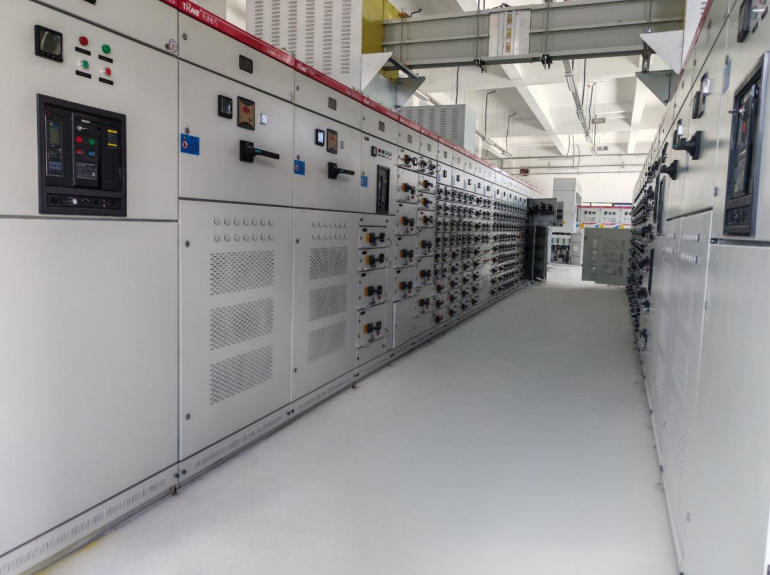
Low-voltage switchgear is widely used in various low-voltage power consumption scenarios, with core applications including:
1. Residential Communities: Distribute 0.38kV electrical energy to each building and each terminal household in the power distribution room;
2. Commercial Complexes: Supply power to lighting, air conditioning, elevators, and fire-fighting equipment in shopping malls and office buildings;
3. Industrial Parks/Factories: Provide stable power distribution for production line motors, machine tools, and office facilities;
4. Special Places: Data centers (cooperating with UPS), hospitals (ensuring uninterrupted power supply for key equipment), rail transit, etc.
V. Core Differences from Ring Main Unit
Comparison Dimension | Low-Voltage Switchgear | Ring Main Unit |
Voltage Level | ≤1kV (Low Voltage) | 10-35kV (Medium Voltage) |
Core Positioning | Electrical energy distribution, control, and protection (low-voltage side) | Ring network power supply, fault isolation, power switching (medium-voltage side) |
Application Scenarios | Internal power distribution of communities, factories, and commercial buildings | Urban distribution network, park main ring network, upstream power supply of box transformers |
Core Functions | Multi-loop distribution and protection on the low-voltage side | Ring network switching and fault section isolation on the medium-voltage side |
VI. Key Points for Selection and Maintenance
1. Key Selection Points
• Match voltage level and load capacity: Select circuit breaker and busbar specifications according to the maximum load current;
• Adapt to scenario requirements: Choose fixed/drawer-type structure as needed, and select high protection level for outdoor scenarios;
• Comply with standards: Must meet national standards such as GB7251 "Low-Voltage Switchgear and Controlgear".
2. Daily Maintenance
• Regular Inspection: Check cabinet sealing, component wiring tightness, and instrument operating status;
• Cleaning and Maintenance: Remove internal dust to avoid short-circuit risks;
• Special Testing: Test circuit breaker performance, insulation performance, and ground resistance (≤4Ω) every year.
VII. Summary
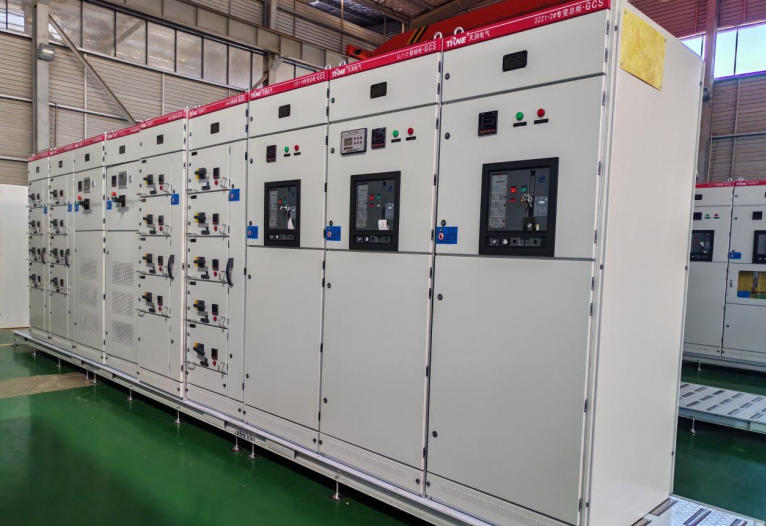
As the core equipment of the low-voltage power distribution system, the low-voltage switchgear realizes the safe and efficient distribution and operation monitoring of electrical energy through reasonable structural design, perfect protection functions, and flexible configuration capabilities. From residential buildings to large industrial bases, from commercial buildings to public facilities, low-voltage switchgear has always been a key infrastructure to ensure stable and safe power consumption. Its selection, installation, and maintenance are directly related to the reliability of the entire power supply system.
 English
 русский