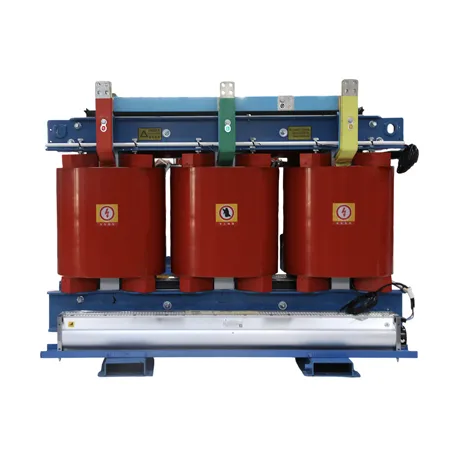
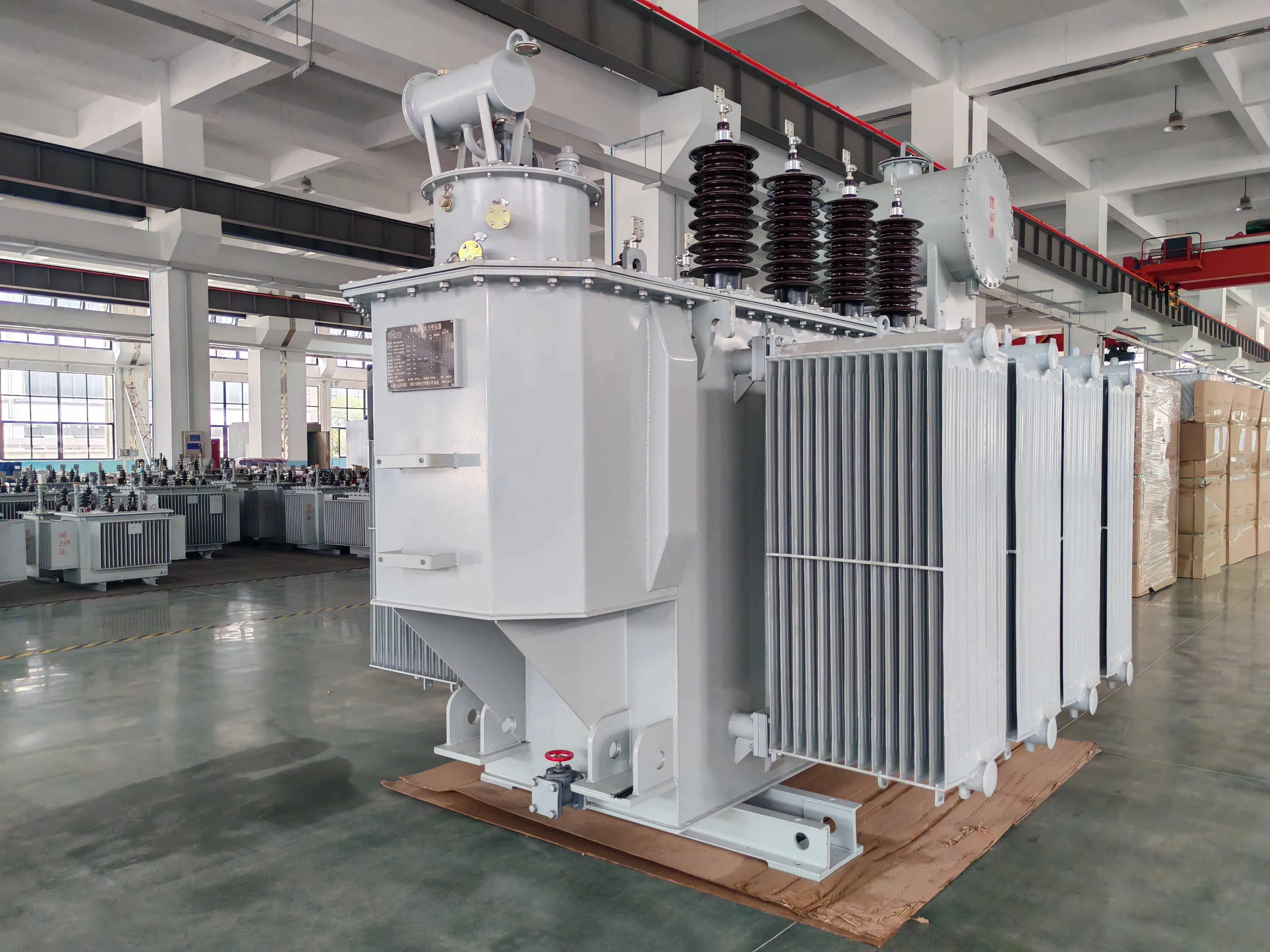
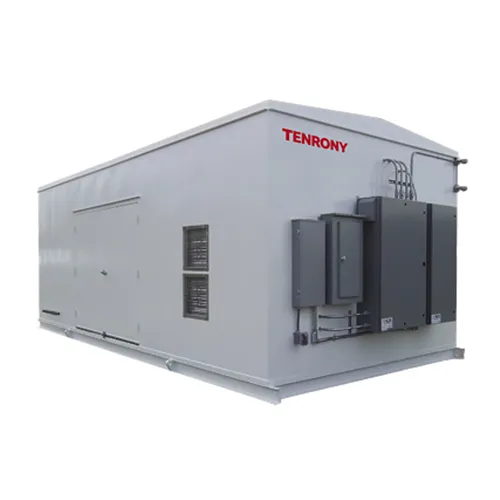
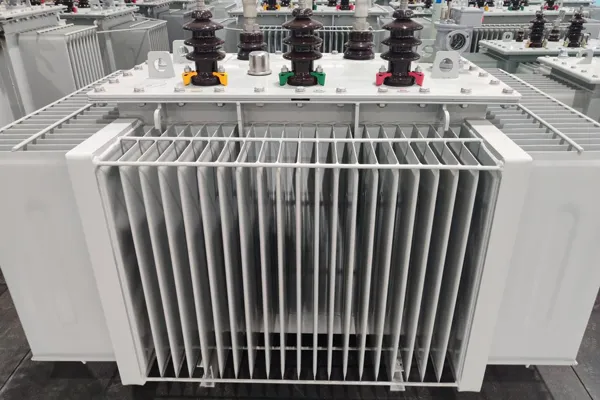
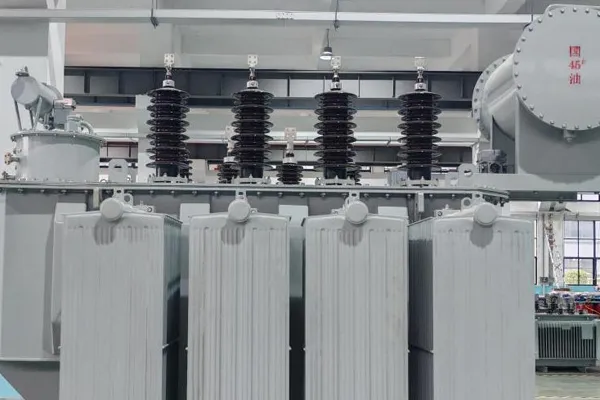
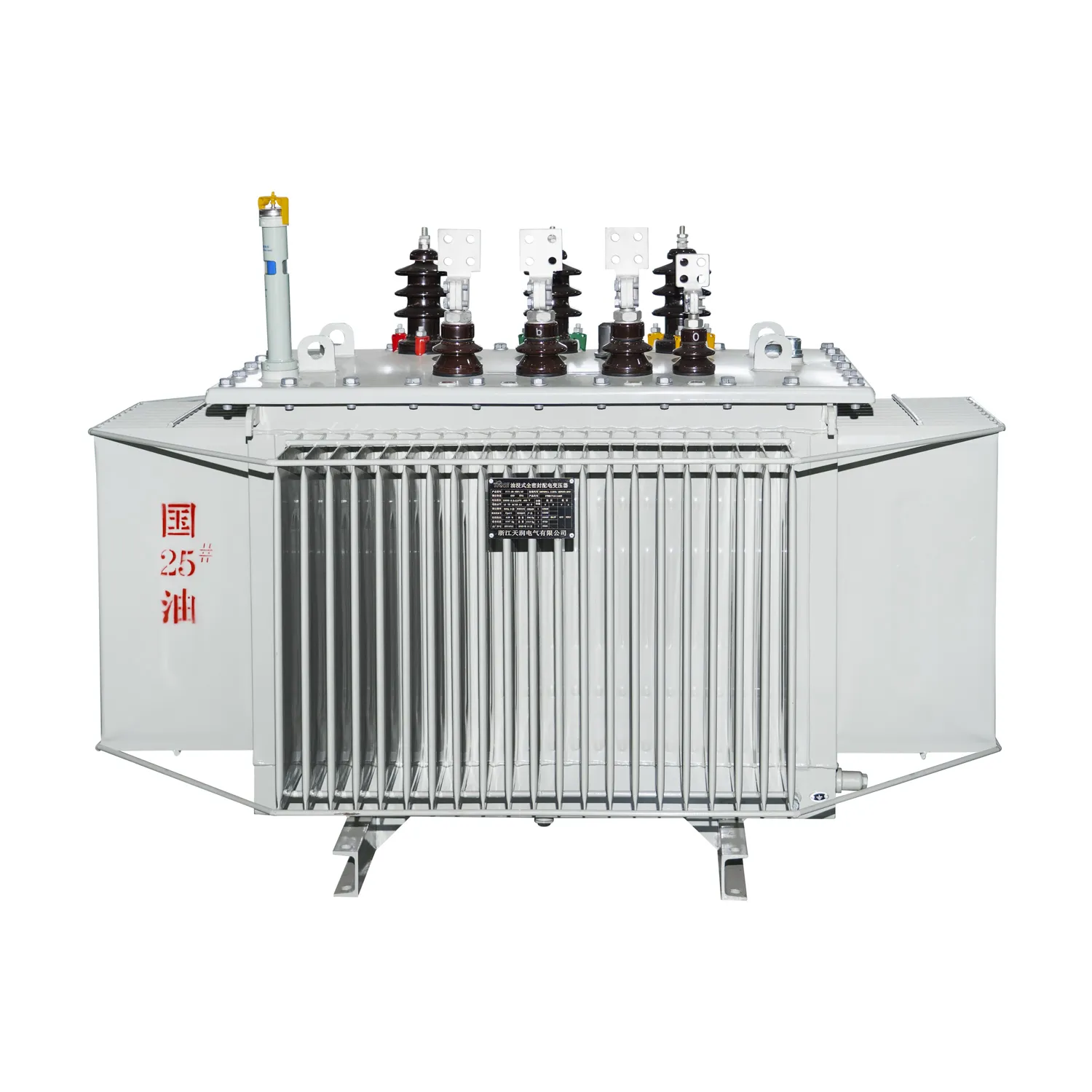
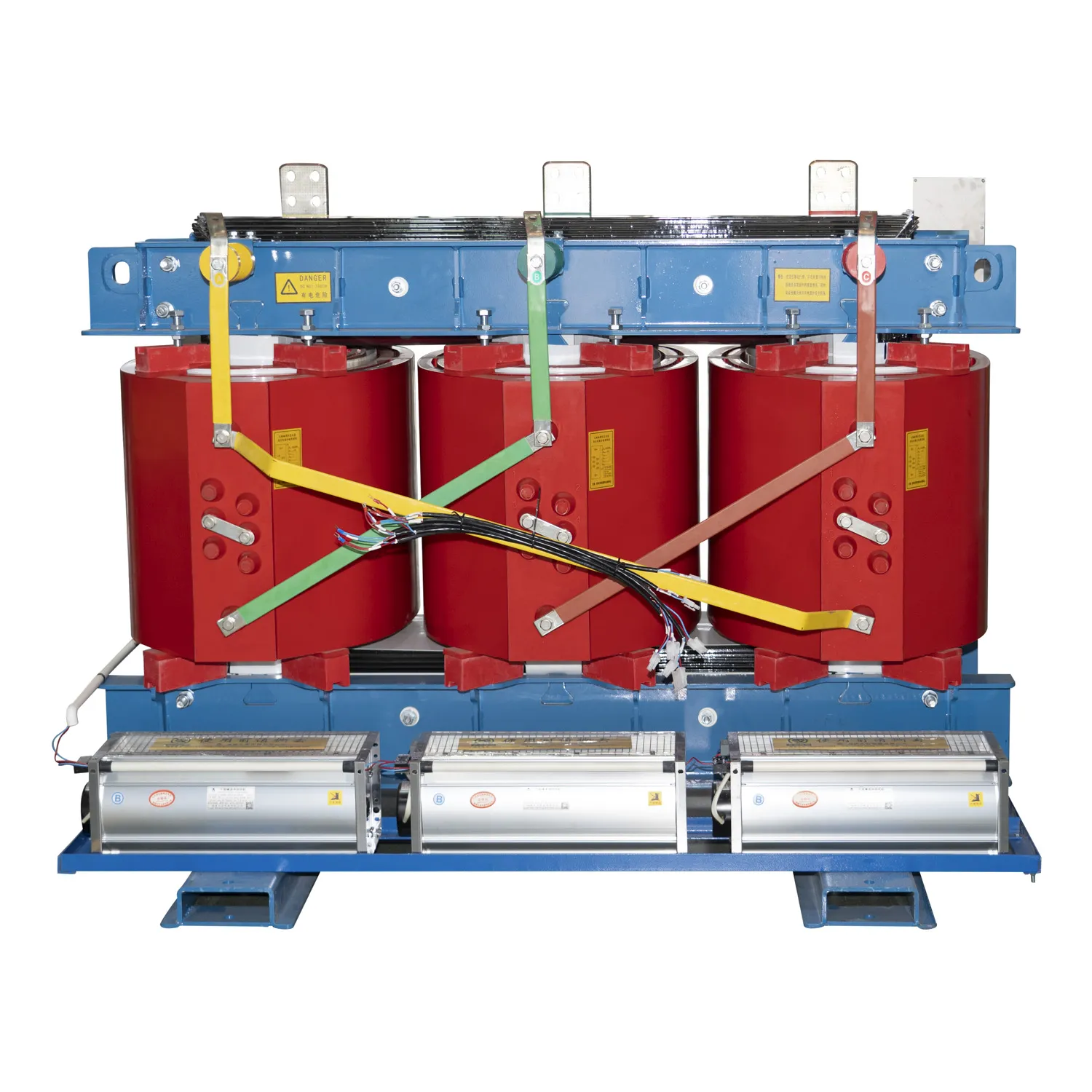
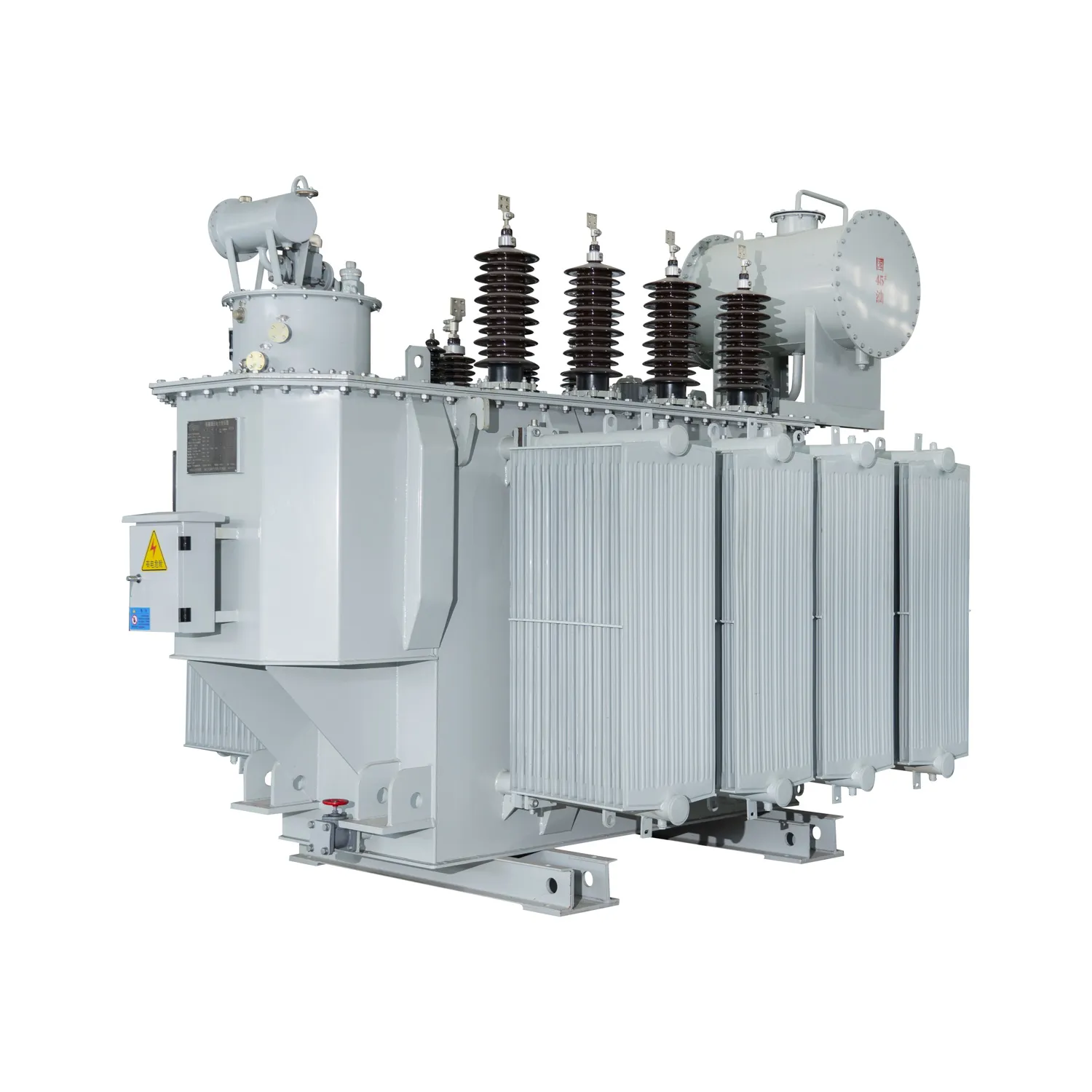
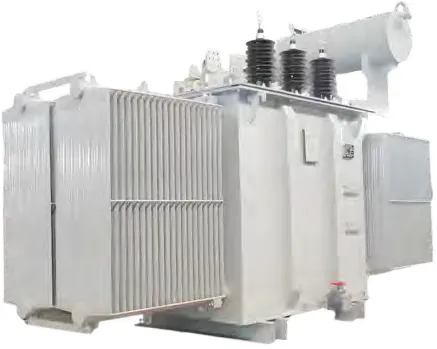
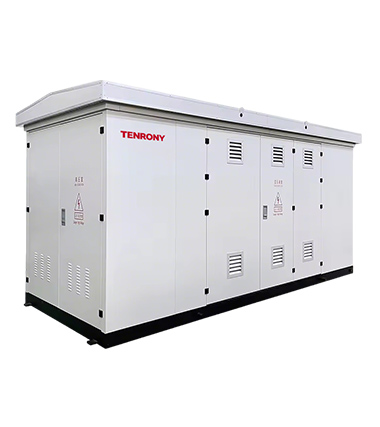
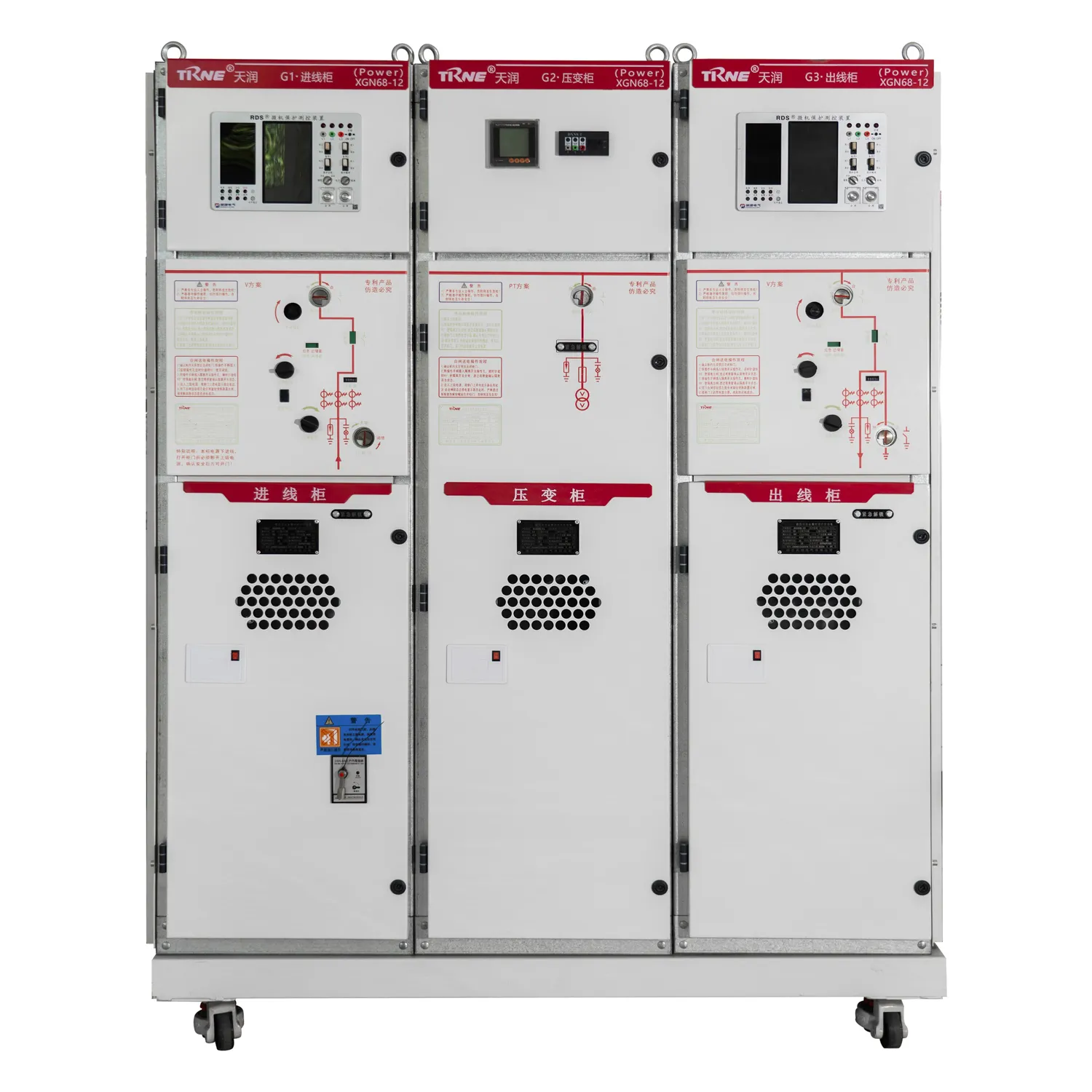
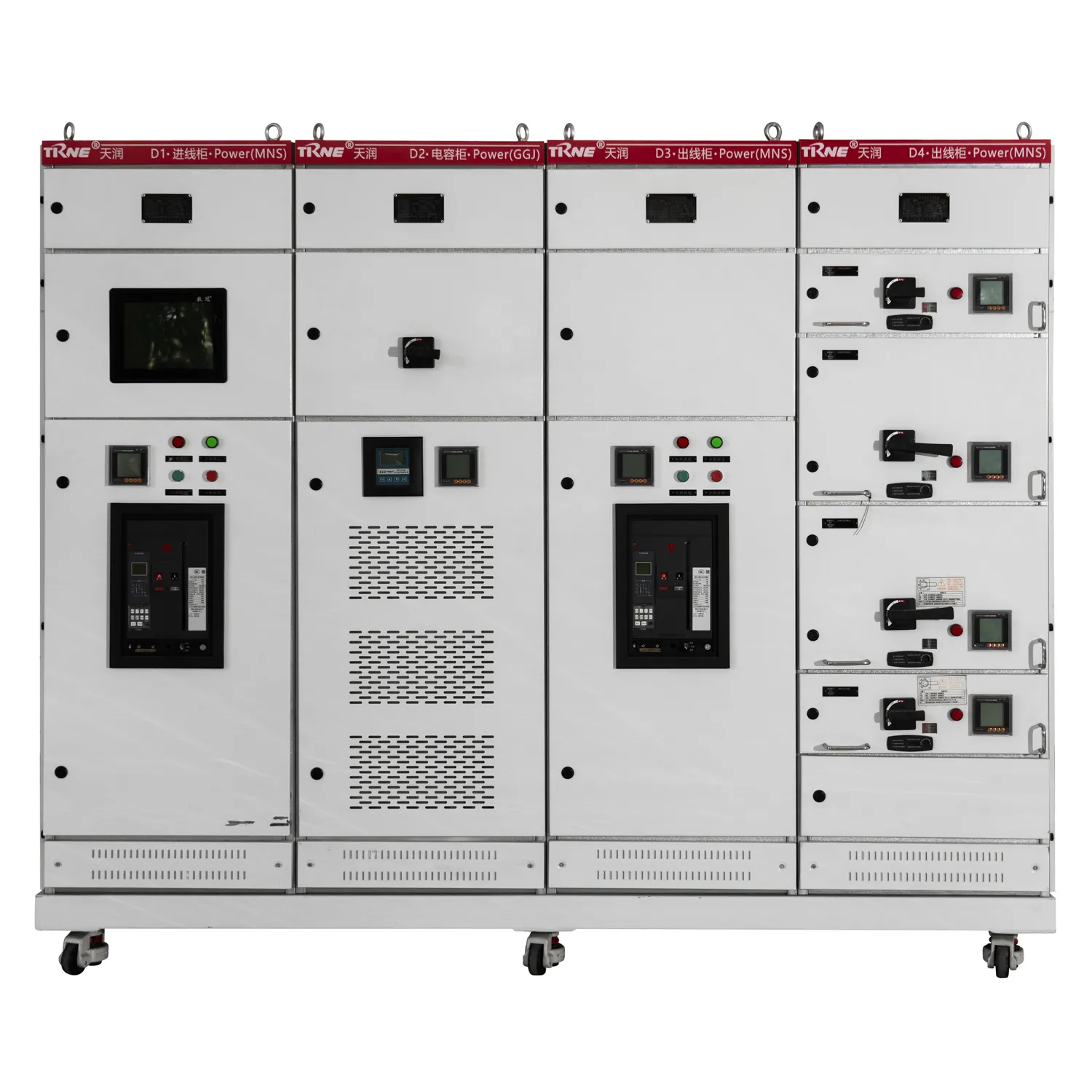
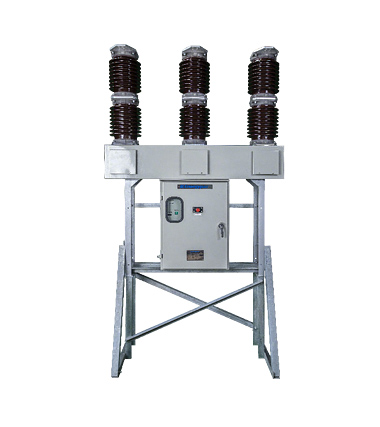
Power transformers are essential components in modern electrical systems, enabling efficient transmission and distribution of electricity across long distances. From power plants to industrial facilities, these devices ensure that voltage levels are properly adjusted for safe and reliable use.
At Tenrony, a wide range of transformer solutions—including advanced designs such as 35kV transformer systems—are developed to meet diverse power distribution needs across industries.
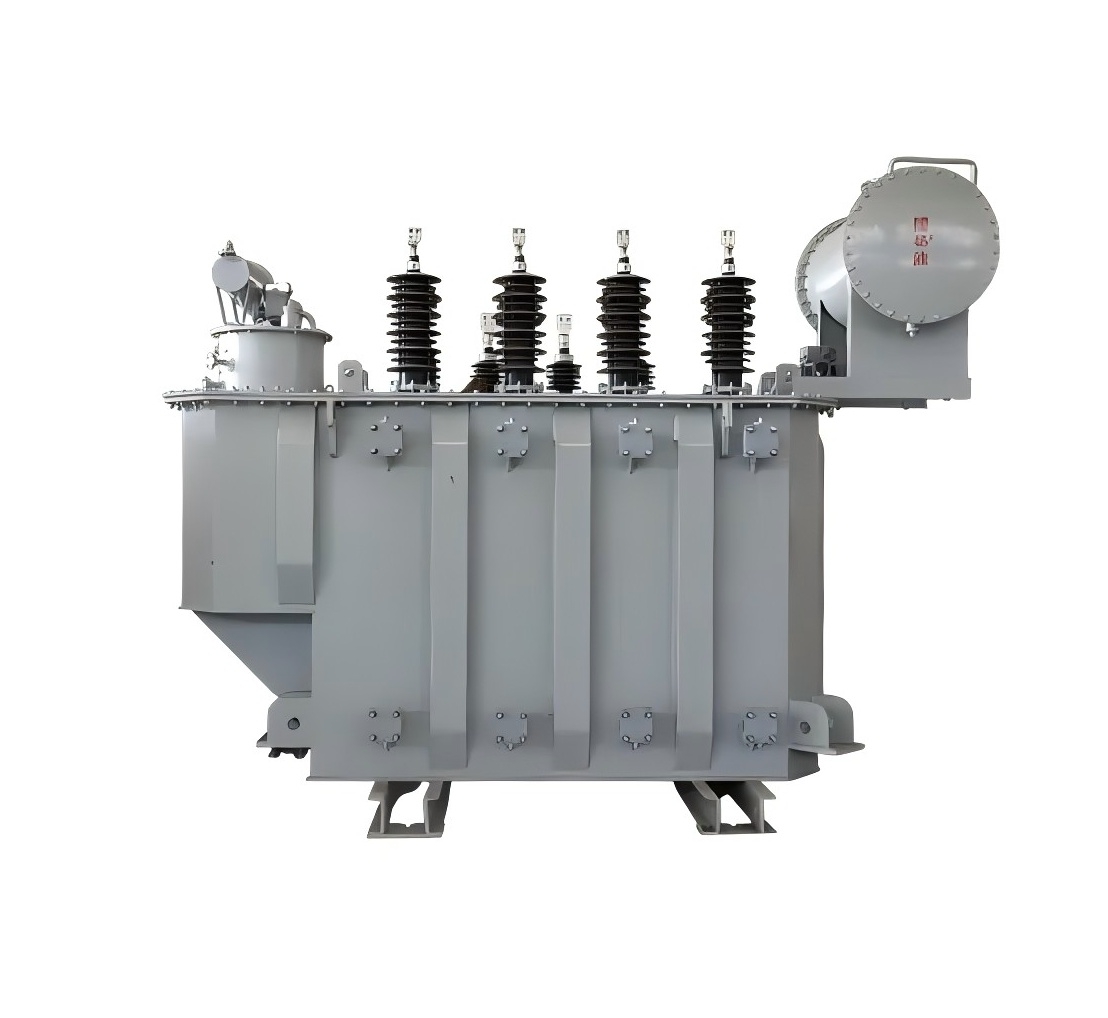
Defining Power Transformers: Key Concepts Explained
A power transformer is a static electrical device that transfers electrical energy between circuits using electromagnetic induction. Its primary function is to either increase (step up) or decrease (step down) voltage levels while maintaining the same frequency.
How It Works
Power transformers operate based on Faraday’s Law of Electromagnetic Induction:
An alternating current flows through the primary winding
This creates a magnetic field in the core
The magnetic field induces voltage in the secondary winding
The voltage change depends on the ratio of turns between the primary and secondary coils.
Key Characteristics
No moving parts (static device)
High efficiency at full load
Designed for high voltage applications
Critical for power transmission systems
Power transformers do not generate electricity; instead, they transfer and regulate energy efficiently across electrical networks.
Types of Power Transformers and Their Functions
Power transformers are classified based on function, construction, and application.
1. Based on Function
| Type | Function | Application |
|---|
| Step-Up Transformer | Increases voltage | Power generation stations |
| Step-Down Transformer | Reduces voltage | Distribution networks |
Step-up transformers allow electricity to travel long distances with minimal loss, while step-down transformers make power safe for end users.
2. Based on Construction
Each design offers different advantages in terms of efficiency and magnetic flux control.
3. Based on Phase
4. Based on Voltage Level
| Category | Voltage Range | Typical Use |
|---|
| Low Voltage | <1kV | Buildings |
| Medium Voltage | 1–35kV | Industrial systems |
| High Voltage | >35kV | Transmission grids |
A 35kV transformer is commonly used in medium-voltage distribution networks, bridging transmission and local power systems.
At Tenrony, transformer solutions are designed to support these various configurations, ensuring adaptability across different infrastructure requirements.
The Role of Power Transformers in Electrical Distribution
Power transformers are the backbone of electrical distribution systems. Without them, efficient long-distance power transmission would not be possible.
1. Enabling Long-Distance Transmission
Electricity generated at low voltage is stepped up to high voltage levels (e.g., hundreds of kV) to reduce current and minimize energy losses during transmission.
2. Reducing Energy Loss
Higher voltage means lower current, which significantly reduces I²R losses in transmission lines.
3. Providing Safe Voltage Levels
Before electricity reaches homes or factories, transformers step down the voltage to safe and usable levels.
4. Supporting Grid Stability
Transformers connect different parts of the power grid, enabling balanced load distribution and stable operation.
5. Powering Industrial Applications
Industries rely on stable voltage supply for heavy machinery, automation systems, and critical infrastructure.
Factors to Consider When Selecting a Power Transformer
Choosing the right transformer is crucial for performance, safety, and cost efficiency.
1. Rated Capacity (kVA or MVA)
This determines how much power the transformer can handle without overheating.
2. Voltage Rating
Ensure compatibility between input and output voltage requirements.
3. Efficiency and Losses
High-efficiency transformers reduce operational costs over time.
4. Cooling Method
Oil-cooled transformers
Air-cooled transformers
Cooling systems directly affect performance and lifespan.
5. Installation Environment
Consider:
Indoor vs outdoor use
Temperature conditions
Space constraints
6. Application Requirements
For example:
Selecting a reliable manufacturer ensures long-term performance and system stability.
Maintenance and Troubleshooting of Power Transformers
Regular maintenance is essential to ensure optimal performance and extend transformer lifespan.
Routine Maintenance Practices
1. Visual Inspection
Check for oil leaks, corrosion, and physical damage.
2. Oil Testing
Transformer oil acts as insulation and coolant. Regular testing ensures it remains effective.
3. Temperature Monitoring
Excessive heat may indicate overloading or cooling system failure.
4. Electrical Testing
Testing insulation resistance and winding conditions helps detect early faults.
5. Cleaning and Ventilation
Keeping the transformer clean prevents overheating and improves efficiency.
Common Issues and Solutions
| Problem | Cause | Solution |
|---|
| Overheating | Overload or cooling failure | Reduce load, improve cooling |
| Insulation failure | Aging or moisture | Replace insulation, dry system |
| Voltage instability | Faulty winding or tap changer | Repair or recalibrate |
| Oil leakage | Seal damage | Replace seals and refill oil |
Proper maintenance not only improves performance but also prevents costly downtime.
Power transformers remain essential to modern power systems, ensuring efficient, safe, and reliable energy distribution. From stepping up voltage for transmission to stepping it down for everyday use, these devices are indispensable in both industrial and residential applications.
At Tenrony, high-quality transformer solutions—including 35kV transformer systems—are engineered to meet the demands of modern electrical infrastructure, providing dependable performance across a wide range of applications.
FAQs About Power Transformers
1. What is the typical lifespan of a power transformer?
Most power transformers can operate for 20–40 years or more, depending on maintenance practices, load conditions, and environmental factors.
2. Can power transformers be used in renewable energy systems?
Yes, they are widely used in solar and wind power systems to regulate voltage between generation and grid integration.
3. What is the difference between dry-type and oil-filled transformers?
Dry-type transformers use air for cooling, while oil-filled transformers use insulating oil, which provides better cooling and insulation for high-capacity systems.
4. How do you determine the correct transformer size?
The size is determined by calculating total load requirements, including peak demand, and selecting a transformer with appropriate capacity and safety margin.
5. What causes transformer noise during operation?
Transformer noise is usually caused by magnetic vibrations in the core, known as magnetostriction, and is generally normal unless it becomes unusually loud.
The Author — Mr. Cai Dongpo
About Our Chief Engineer
Mr. Cai Dongpo is the Chief Engineer of Tenrony. Since joining the company in 2007, he has devoted his entire career to technical design and engineering, building extensive, hands-on expertise across electromechanical design projects. Over nearly two decades, he has played a key design role in a series of major industrial and infrastructure programs — including the China Coal Pingshuo Group, China Coal Pinglu Group, the CRRC (CNR) locomotive manufacturing production line, the CRRC (CSR) production line, and the Sunan Shuofang International Airport expansion project. His deep technical command and proven project track record form a cornerstone of Tenrony's engineering strength.
 English
 русский