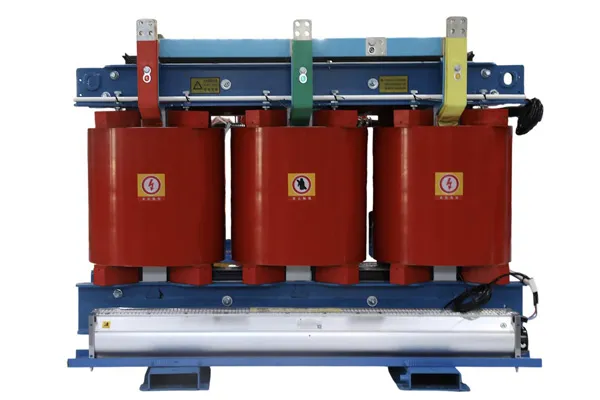
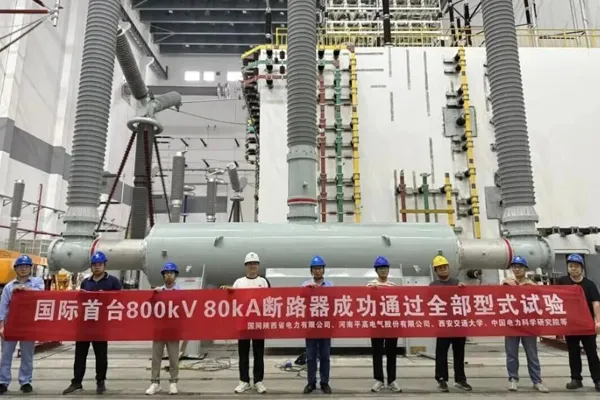
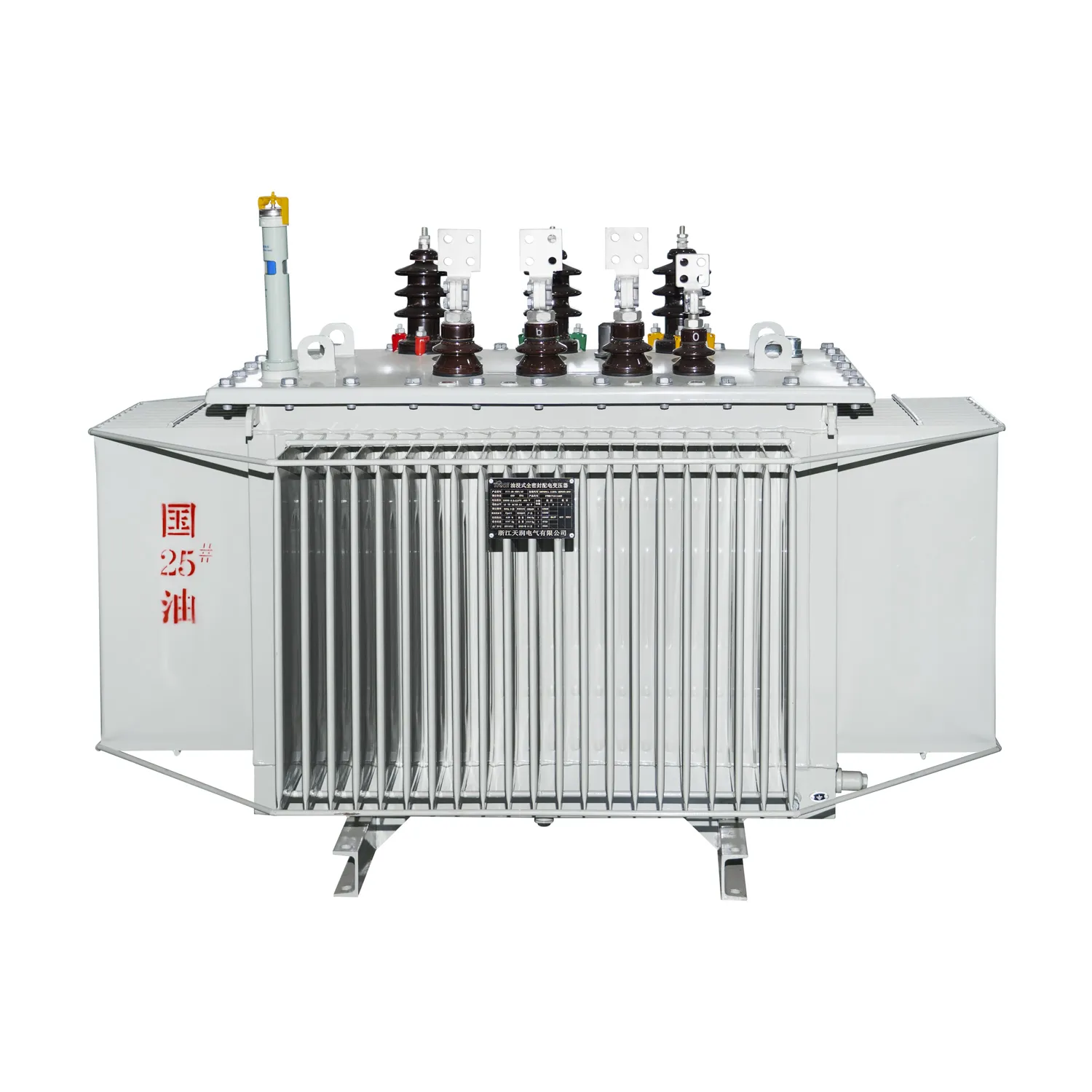
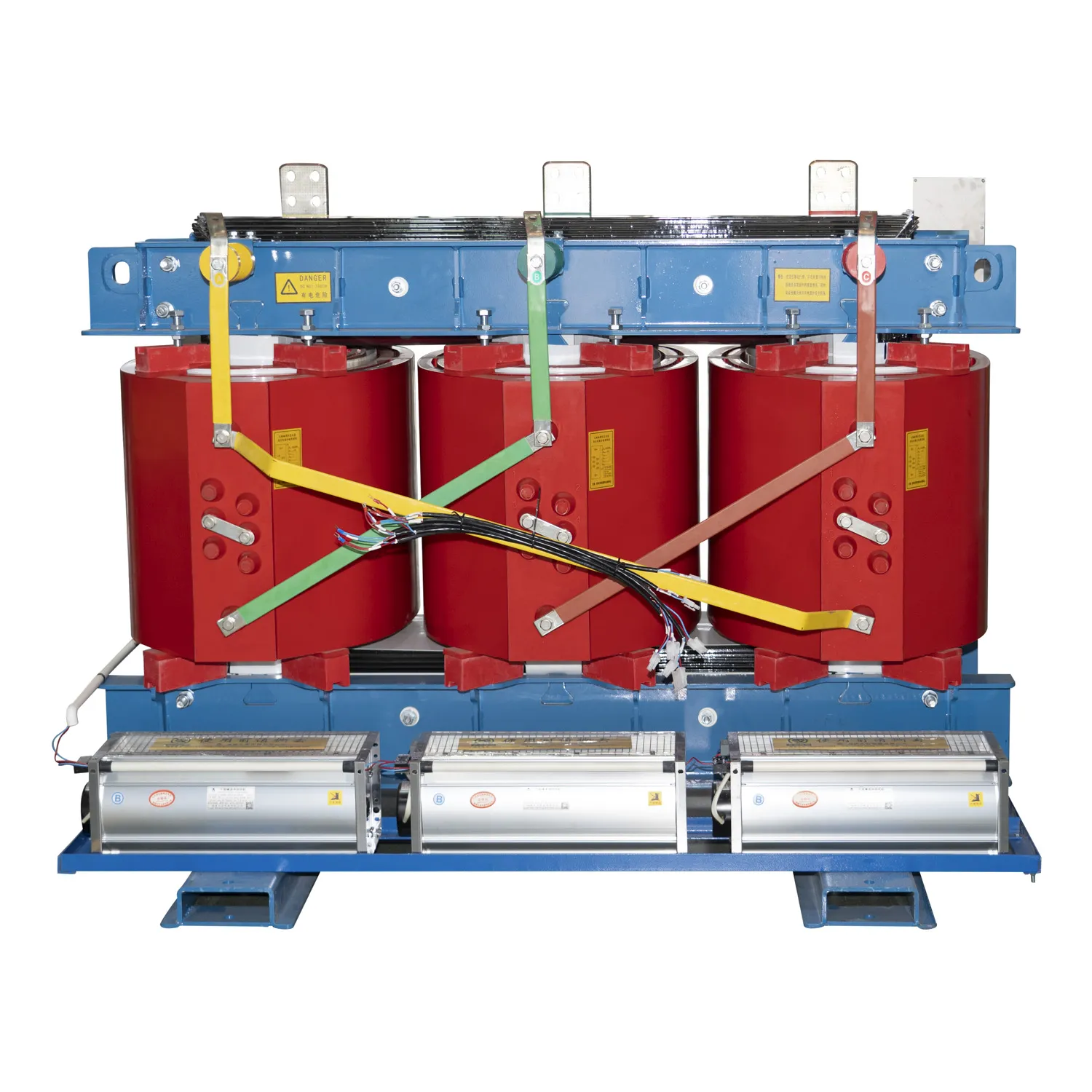
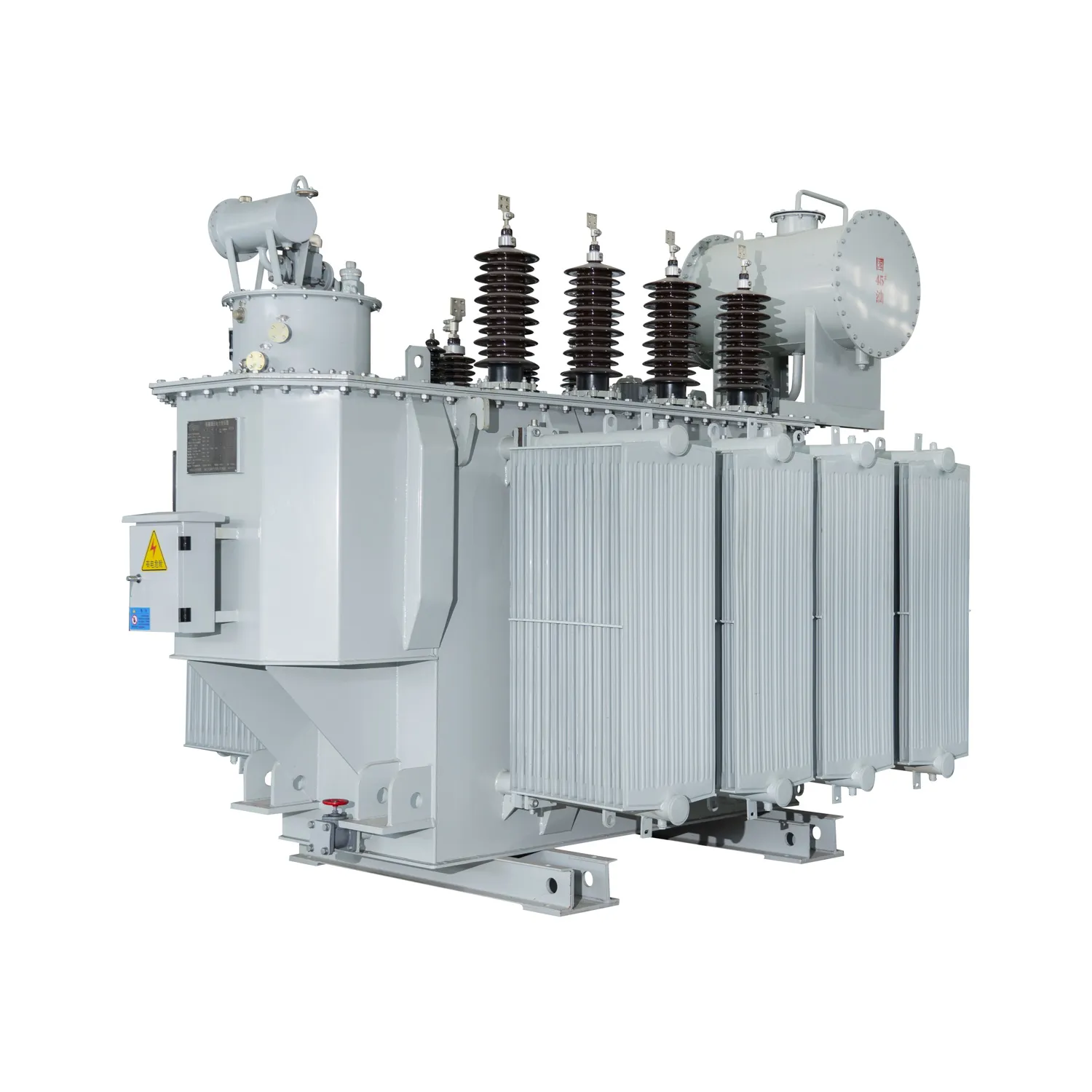
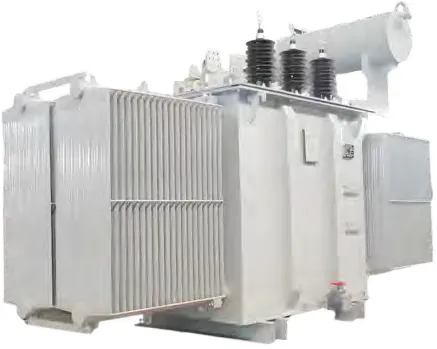
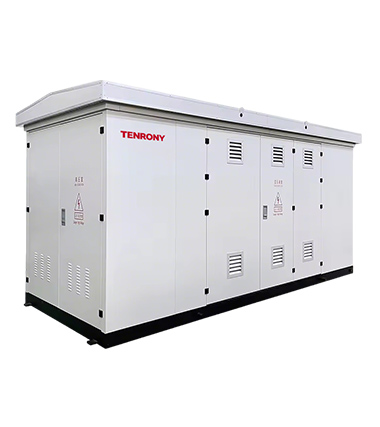
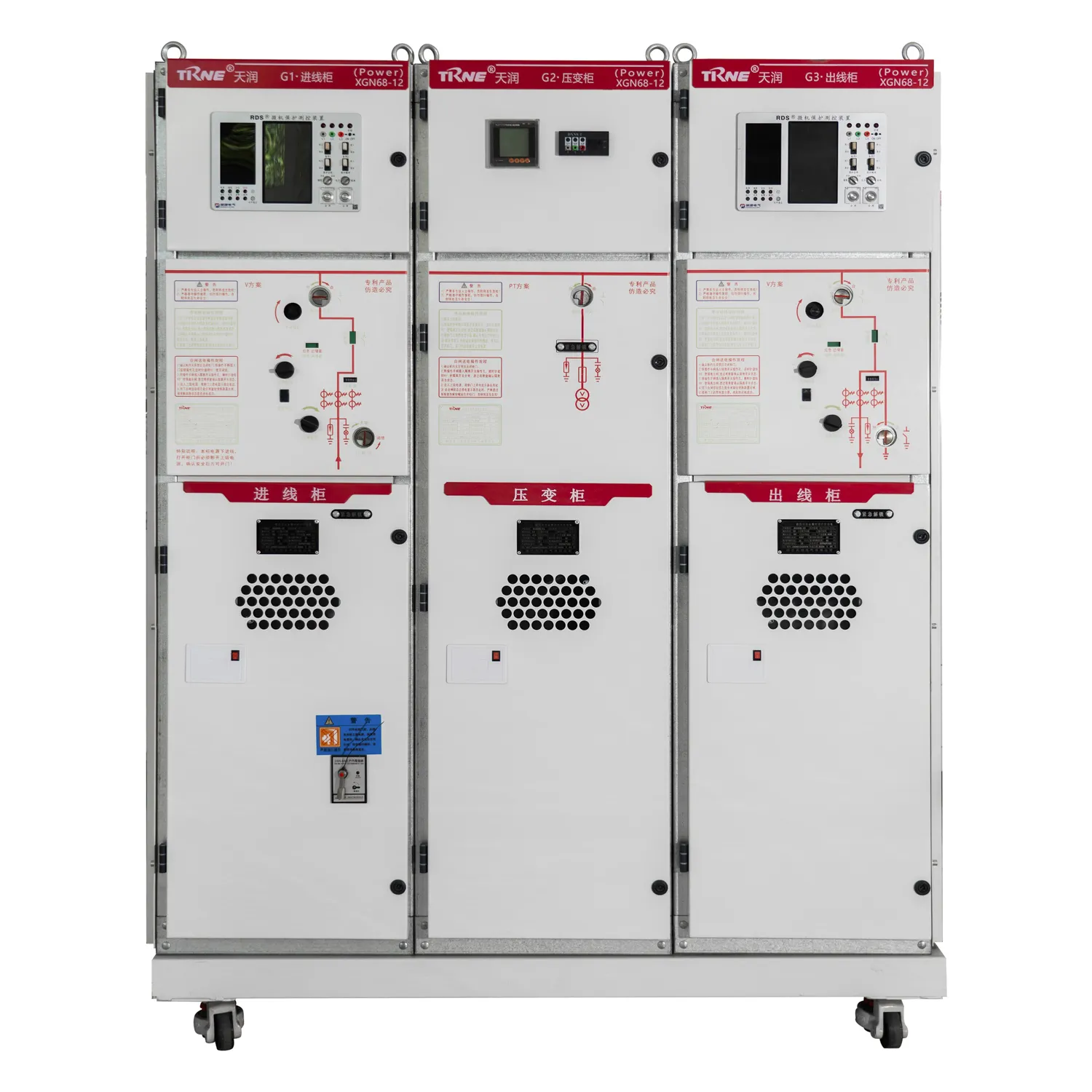
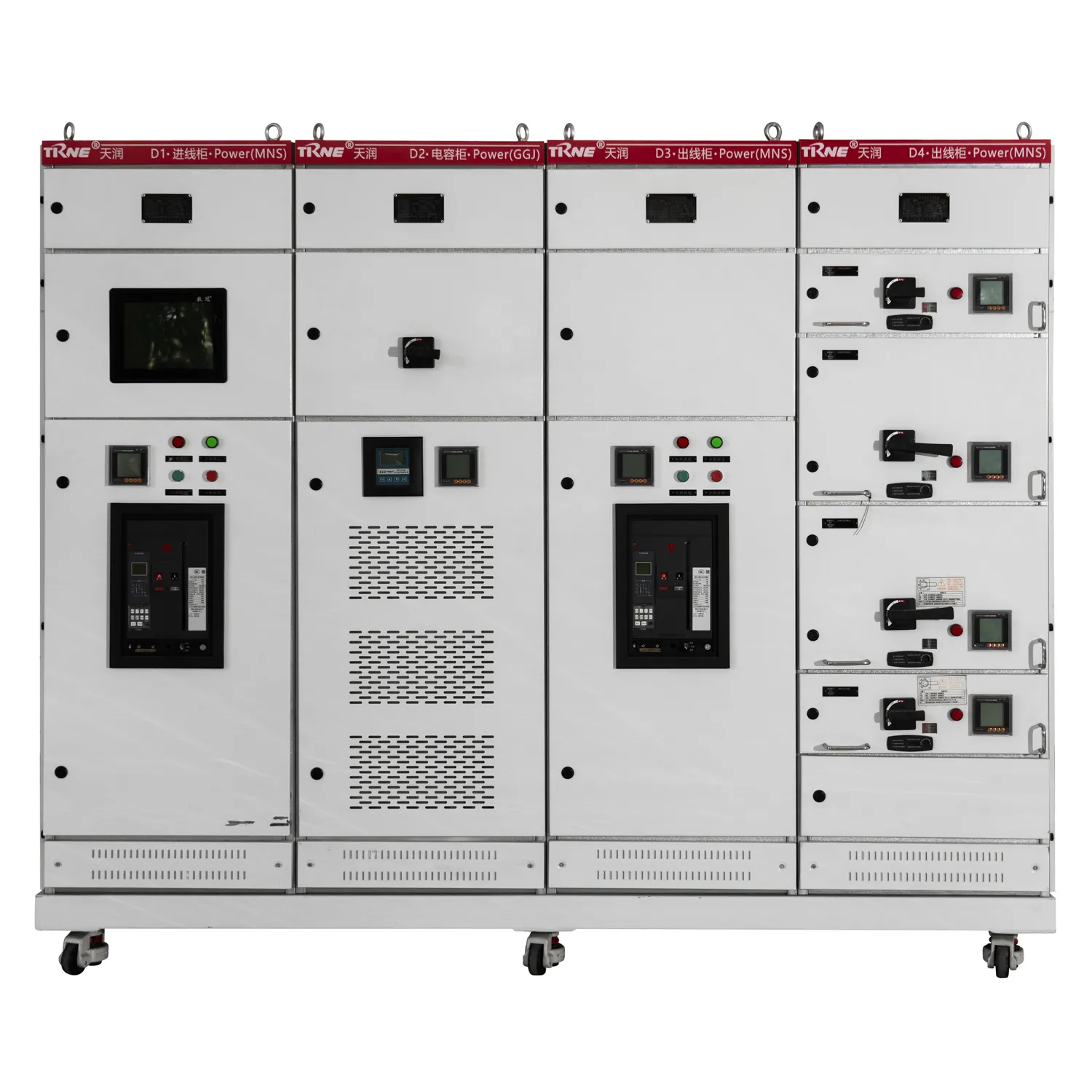
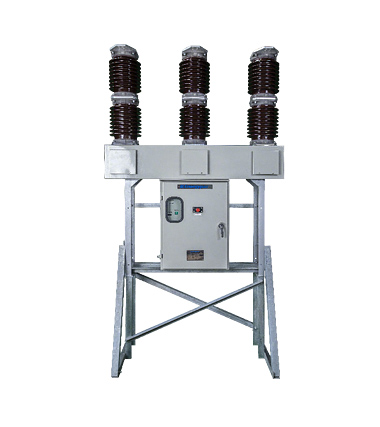
Switchgear is a fundamental component in modern electrical infrastructure, ensuring safe and reliable power distribution across residential, commercial, and industrial environments. From protecting equipment to controlling electrical flow, switchgear plays a vital role in maintaining system stability.
At Tenrony, advanced solutions including high voltage switchgear for sale and low-voltage systems are designed to support diverse applications, helping clients achieve safe and efficient power management.
Understanding Switchgear: A Comprehensive Definition
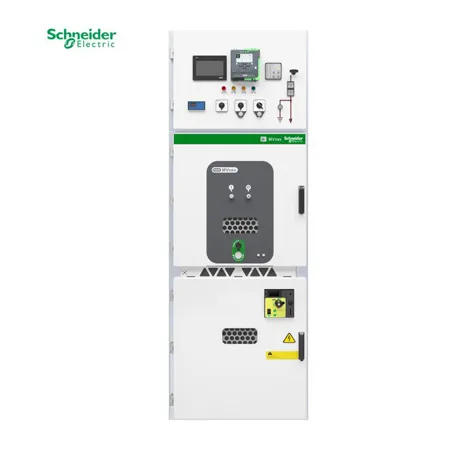
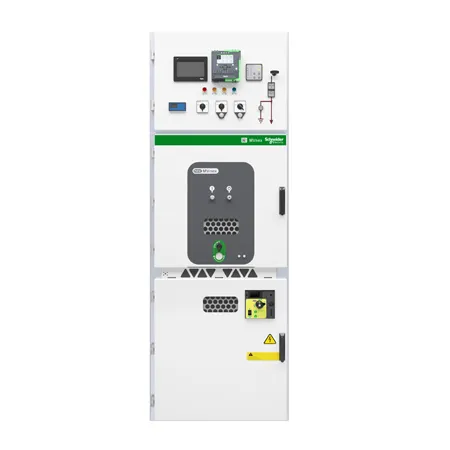
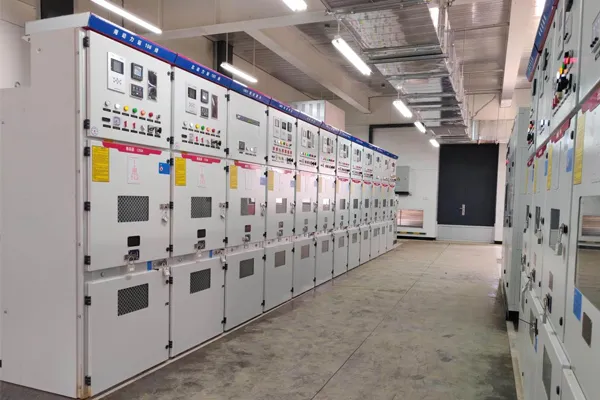
Switchgear refers to a collection of electrical devices used to control, protect, and isolate electrical systems. It typically includes components such as circuit breakers, fuses, relays, and disconnect switches, all housed within a protective enclosure. Its primary functions include:
Controlling electrical power flow
Protecting equipment from faults
Isolating circuits for maintenance
When a fault occurs, such as a short circuit or overload, switchgear automatically interrupts the current, preventing damage to equipment and ensuring safety. In simple terms, switchgear acts as the guardian of electrical systems, ensuring that power is distributed safely and efficiently.
Types of Switchgear and Their Applications
Switchgear is commonly classified based on voltage levels and insulation methods.
1. By Voltage Level
| Type | Voltage Range | Typical Applications |
|---|
| Low Voltage (LV) | Up to 1kV | Buildings, factories |
| Medium Voltage (MV) | 1kV–35kV | Industrial plants, utilities |
| High Voltage (HV) | Above 35kV | Power transmission systems |
Low-voltage switchgear is widely used in commercial and industrial environments, while high-voltage systems are essential for large-scale power transmission.
2. By Insulation Type
Among these, gas insulated switchgear manufacturers focus on compact, high-performance solutions ideal for space-constrained environments.
3. Application-Based Categories
At Tenrony, both high-voltage and low-voltage switchgear solutions are developed to meet these diverse operational requirements, ensuring flexibility across different industries.
The Importance of Switchgear in Electrical Systems
Switchgear is not just a supporting component—it is essential for the safe operation of electrical infrastructure.
1. Protection Against Electrical Faults
Switchgear detects abnormal conditions and isolates faulty sections, preventing damage to equipment and minimizing downtime.
2. Ensuring System Reliability
By isolating only the affected section, switchgear allows the rest of the system to continue operating normally.
3. Enhancing Safety
Switchgear protects both personnel and equipment from hazards such as electrical shocks and fire risks.
4. Facilitating Maintenance
It allows sections of the system to be safely de-energized for inspection and repair.
5. Supporting Energy Efficiency
Efficient power control helps reduce energy loss and optimize system performance.
For industries relying on continuous power supply—such as manufacturing, data centers, and utilities—switchgear is indispensable.
How to Choose the Right Switchgear for Your Needs
Selecting the appropriate switchgear requires careful evaluation of several factors.
1. Voltage Requirements
Determine whether your system requires low, medium, or high voltage switchgear.
2. Application Environment
Consider factors such as:
3. Safety Standards and Compliance
Ensure the equipment meets relevant industry standards and certifications.
4. Scalability and Flexibility
Choose systems that can adapt to future expansion or changing requirements.
5. Manufacturer Expertise
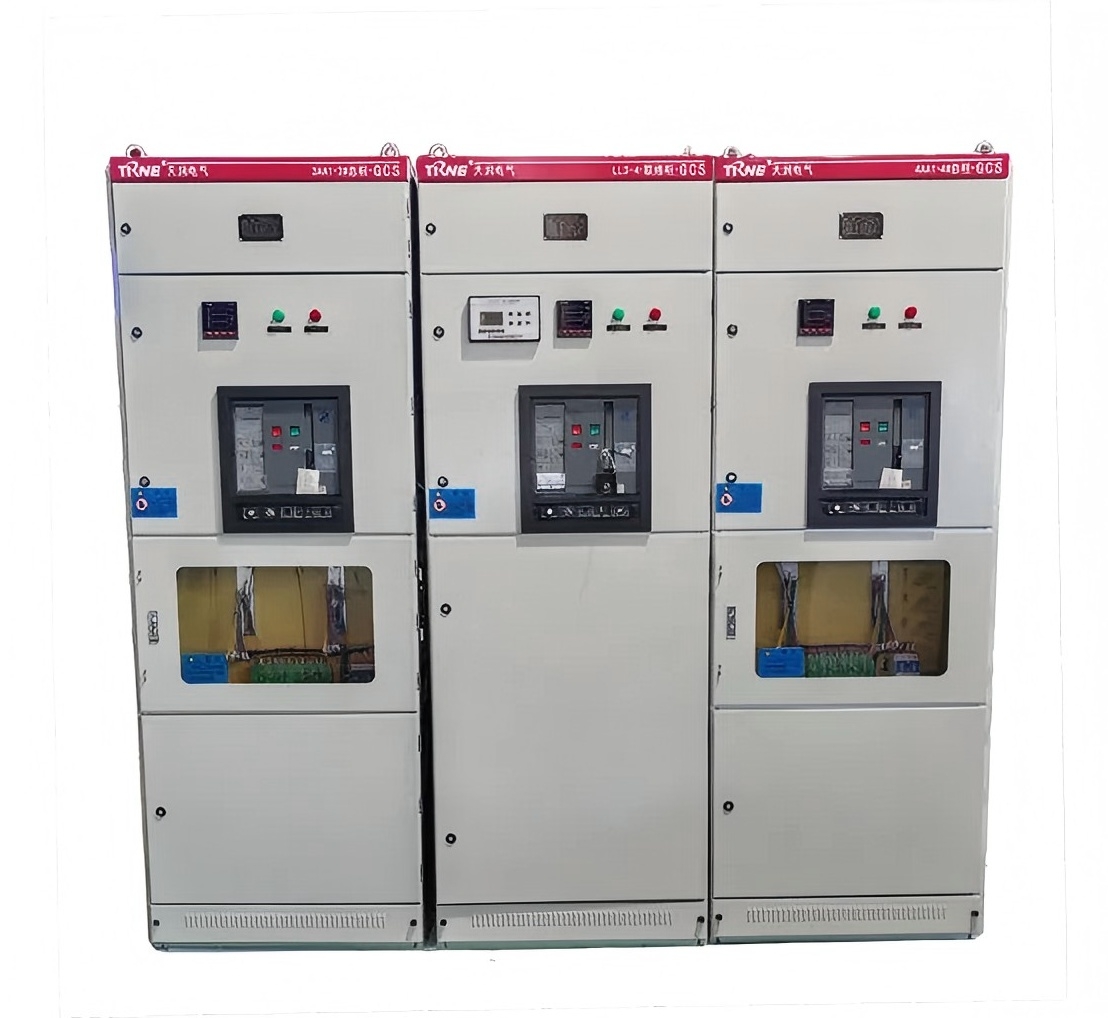
Working with an experienced withdrawable switchgear supplier ensures reliable performance and long-term support.
At Tenrony, tailored solutions are designed to meet specific project requirements, offering both standard and customized configurations for different industries.
Maintenance Practices for Optimal Switchgear Performance
Proper maintenance is essential to ensure the longevity and reliability of switchgear systems.
Routine Inspection
Regular checks help identify wear, corrosion, or loose connections before they become critical issues.
Cleaning and Environmental Control
Keeping switchgear clean and free from dust or moisture prevents insulation failure.
Testing and Calibration
Periodic testing ensures that protective devices such as circuit breakers and relays function correctly.
Component Replacement
Worn or outdated components should be replaced promptly to maintain system integrity.
Documentation and Monitoring
Maintaining records of inspections and performance helps optimize maintenance schedules.
By following these practices, organizations can extend the lifespan of their switchgear and reduce unexpected downtime.
Switchgear remains a cornerstone of electrical systems, providing essential protection, control, and reliability across a wide range of applications. From low-voltage distribution to high-voltage transmission, selecting the right equipment is critical for safe and efficient operations.
At Tenrony, a comprehensive range of solutions—including high voltage switchgear for sale and advanced low-voltage systems—supports modern power infrastructure with reliability and precision.
FAQs About Switchgear in Electrical Systems
1. What is the difference between switchgear and a circuit breaker?
A circuit breaker is a component within switchgear. Switchgear is a complete system that includes breakers, relays, and control devices working together.
2. Can switchgear be used in renewable energy systems?
Yes, switchgear is widely used in solar and wind power systems to manage power distribution and ensure safe operation.
3. How long does switchgear typically last?
With proper maintenance, switchgear can last 20–40 years depending on usage conditions and environmental factors.
4. What industries rely heavily on switchgear?
Industries such as power generation, manufacturing, oil and gas, and infrastructure rely heavily on switchgear systems.
5. Is switchgear customizable for specific projects?
Yes, many manufacturers offer customized configurations to meet unique project requirements and operational needs.
The Author — Mr. Cai Dongpo
About Our Chief Engineer
Mr. Cai Dongpo is the Chief Engineer of Tenrony. Since joining the company in 2007, he has devoted his entire career to technical design and engineering, building extensive, hands-on expertise across electromechanical design projects. Over nearly two decades, he has played a key design role in a series of major industrial and infrastructure programs — including the China Coal Pingshuo Group, China Coal Pinglu Group, the CRRC (CNR) locomotive manufacturing production line, the CRRC (CSR) production line, and the Sunan Shuofang International Airport expansion project. His deep technical command and proven project track record form a cornerstone of Tenrony's engineering strength.
 English
 русский