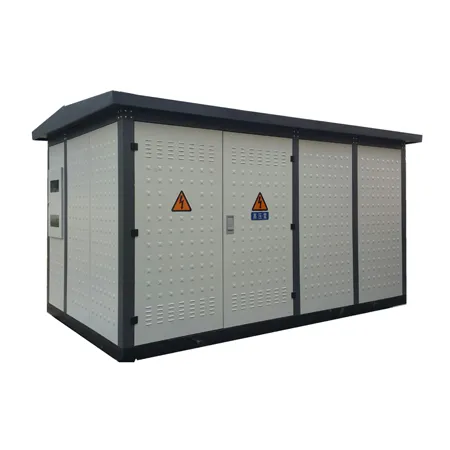
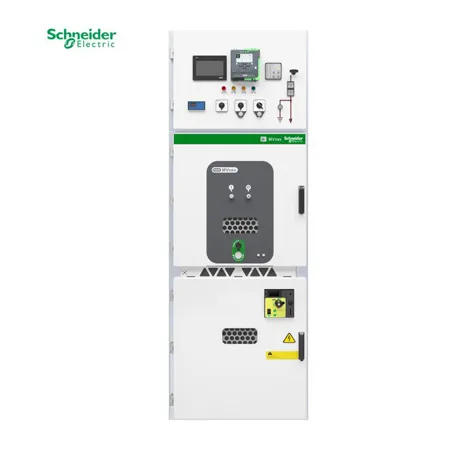
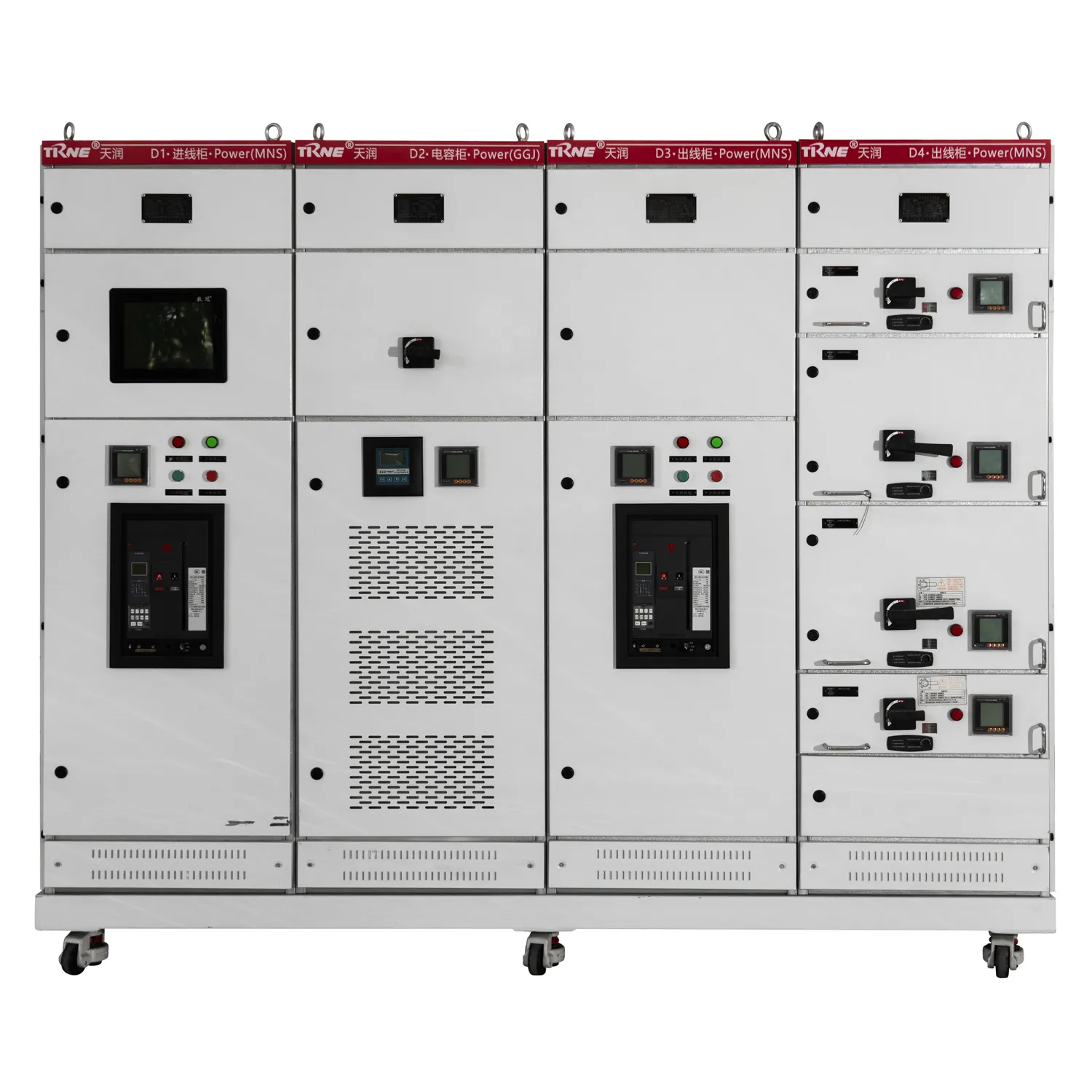
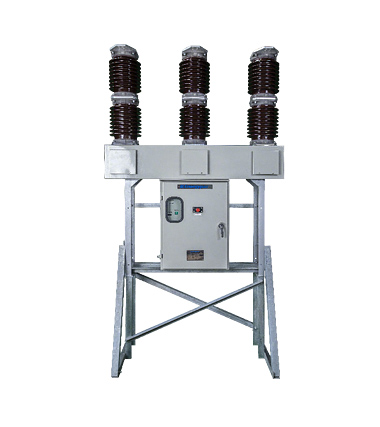
Electrical transformer function refers to the process of transferring AC electrical energy between circuits while changing voltage levels to meet transmission, distribution, and equipment requirements. In power systems, transformers allow electricity to be transmitted over long distances at high voltage and then stepped down to safer usable voltage near factories, buildings, substations, and end users.
For utilities, industrial plants, renewable energy projects, commercial buildings, and infrastructure operators, understanding transformer function helps buyers choose the right equipment, reduce power loss, improve safety, and protect downstream electrical systems. Tenrony provides Power Transformer, Oil-Immersed Transformer, and Dry-Type Transformer for power transmission, distribution, and industrial applications.
What Is the Main Function of an Electrical Transformer?
The main function of an electrical transformer is to change AC voltage from one level to another while keeping the same frequency. A transformer can step voltage up for efficient transmission or step voltage down for safe distribution and equipment use.
A transformer works through electromagnetic induction. When alternating current flows through the primary winding, it creates a changing magnetic field in the core. This changing magnetic field induces voltage in the secondary winding. The voltage relationship is mainly determined by the turns ratio:
Vp / Vs = Np / Ns
Here, Vp and Vs represent primary and secondary voltage, while Np and Ns represent primary and secondary winding turns. If the secondary winding has more turns than the primary winding, the transformer steps voltage up. If it has fewer turns, the transformer steps voltage down.
For global projects, transformer design and testing are often aligned with standards. The IEC 60076-1 power transformer standard applies to three-phase and single-phase power transformers, including auto-transformers, and is widely used as a reference for transformer specification.
Core Functions of Electrical Transformers in Power Systems
The core functions of electrical transformers include voltage conversion, power transmission, electrical isolation, load matching, grid interconnection, and system protection support. These functions make transformers essential equipment in generation plants, substations, industrial power rooms, and distribution networks.
The first function is voltage conversion. Power plants and renewable energy stations often use step-up transformers to increase voltage before transmission. Higher voltage reduces current for the same power level, helping reduce line losses over long distances. Near load centers, step-down transformers reduce voltage for industrial equipment, commercial buildings, or residential distribution.
The second function is power transfer. Transformers transfer electrical energy between circuits without direct mechanical movement, which improves reliability in continuous operation. The third function is electrical isolation. In many systems, transformers separate primary and secondary circuits, reducing fault propagation and improving system safety.
Transformers also support grid stability by helping match voltage levels between different parts of the power network. For project design, buyers should pay attention to standards, efficiency, loss, temperature rise, insulation level, and short-circuit withstand capability. The IEEE power and distribution transformer standards provide useful references for liquid-immersed transformers, dry-type transformers, distribution transformers, pad-mounted transformers, and related equipment.
Electrical Transformer Function by Transformer Type
Electrical transformer function changes according to transformer type, installation environment, insulation medium, and load demand. Oil-immersed transformers, dry-type transformers, step-up transformers, step-down transformers, and distribution transformers each solve different power system needs.
| Transformer Type | Main Function | Typical Application | Key Selection Point |
|---|
| Step-Up Transformer | Raises voltage for transmission | Power plants, wind farms, solar stations | Transmission distance and voltage level |
| Step-Down Transformer | Reduces voltage for distribution | Factories, buildings, substations | Load voltage and safety requirements |
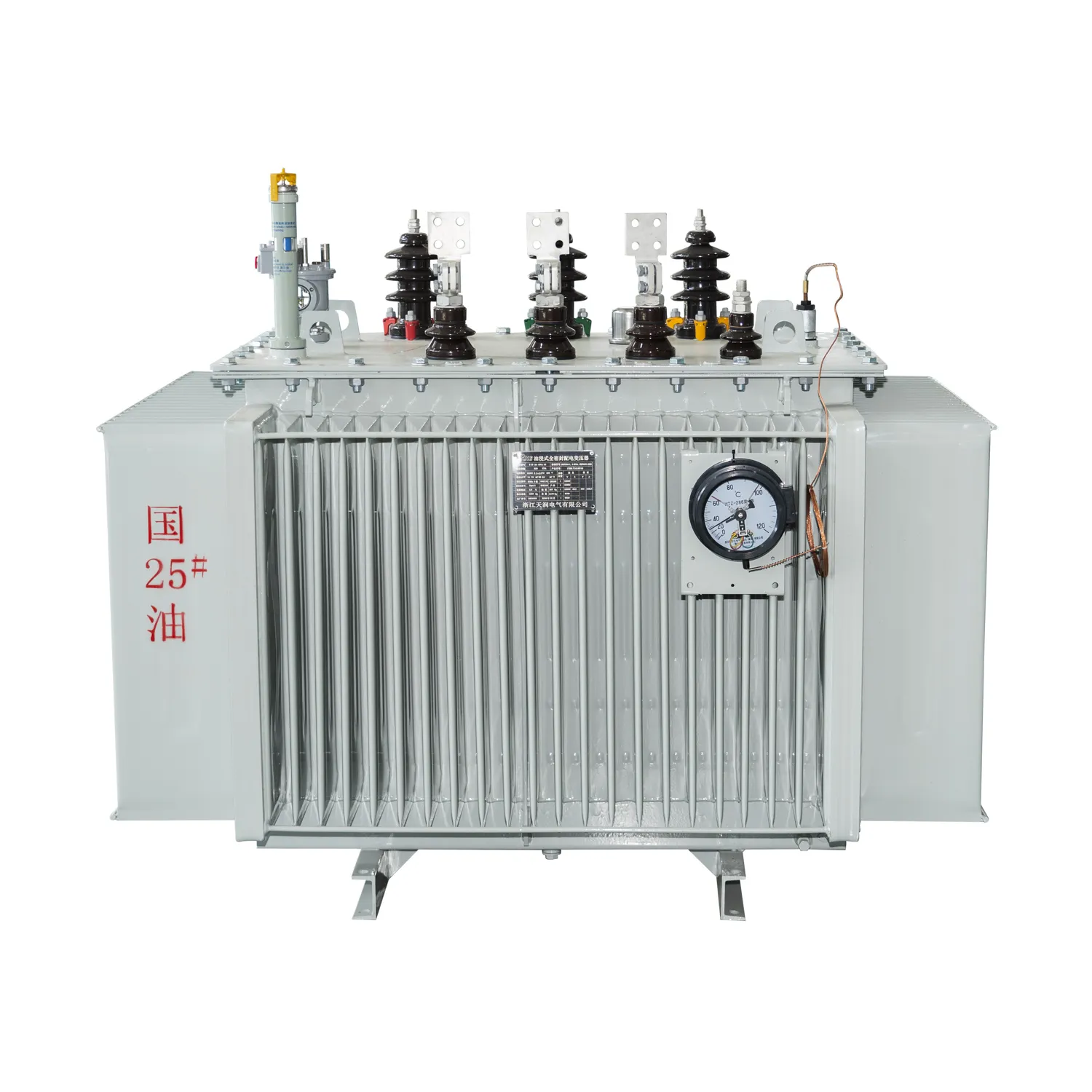
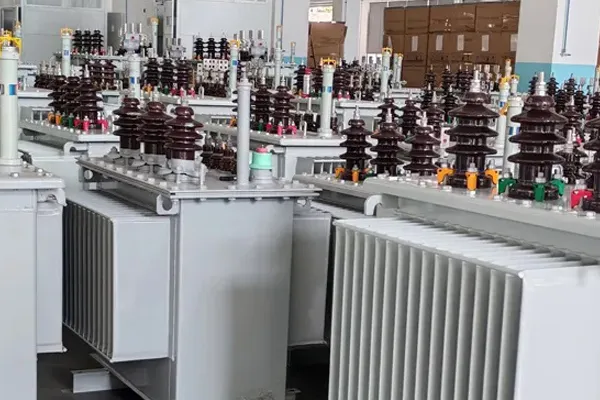
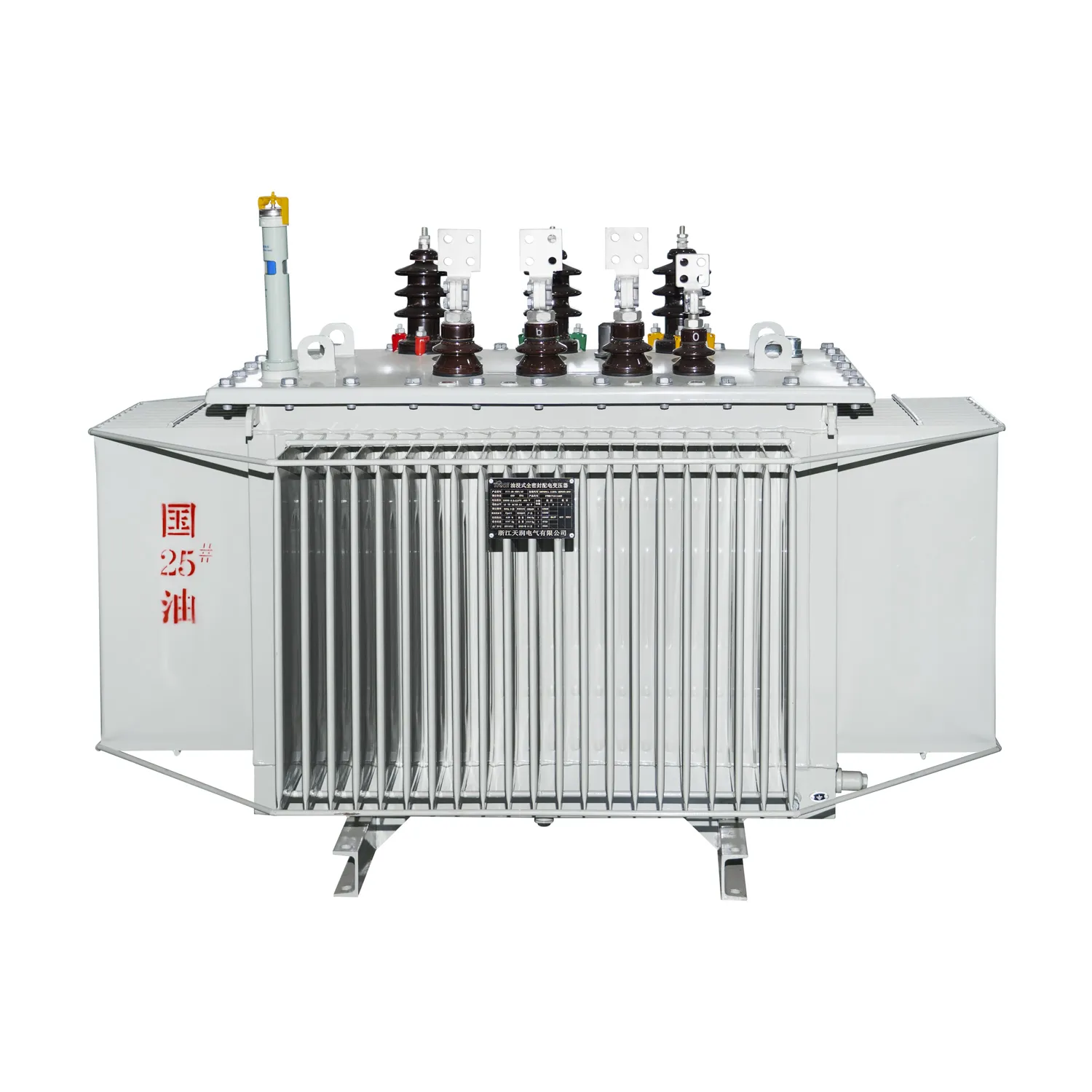
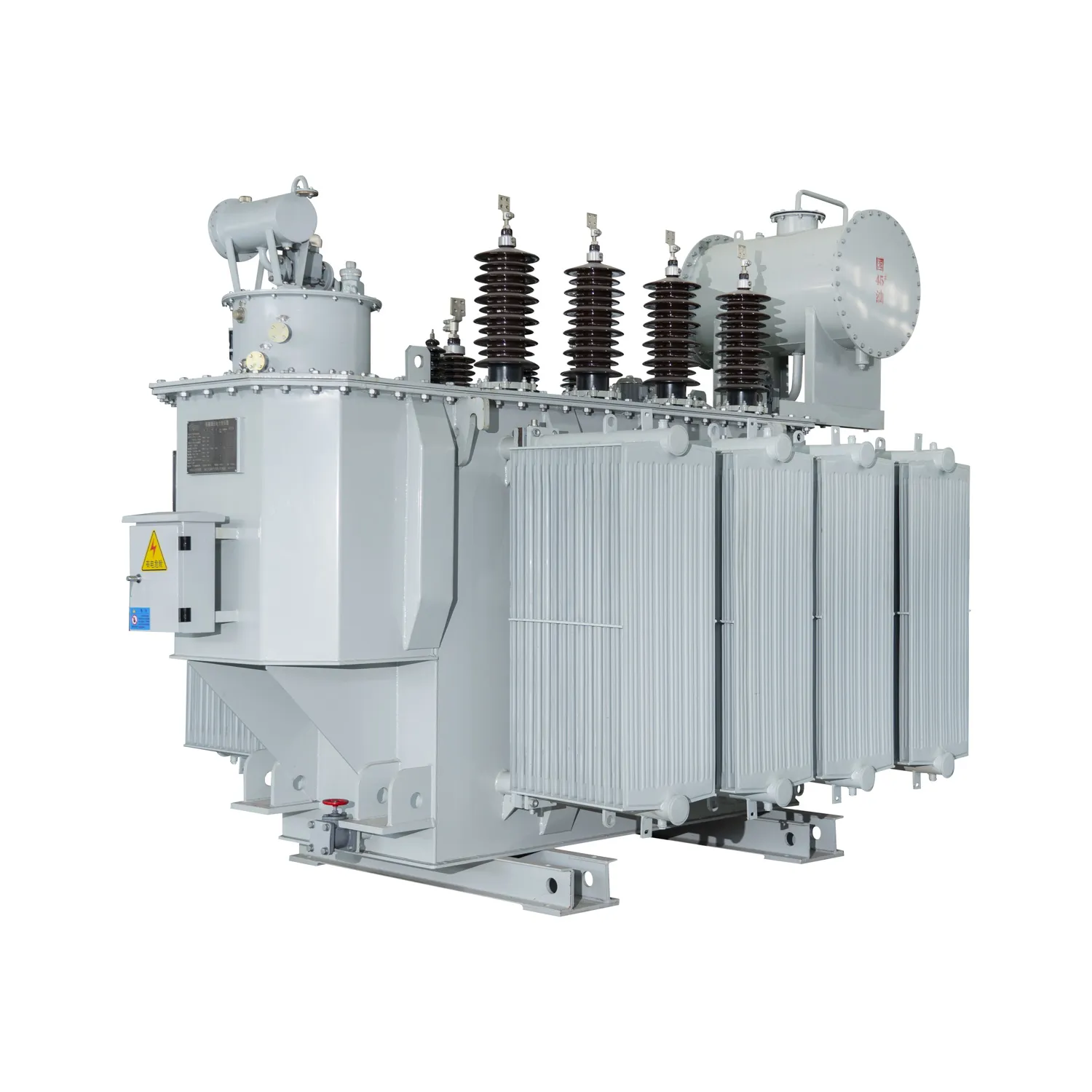
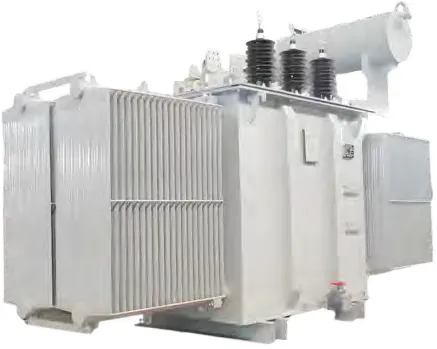
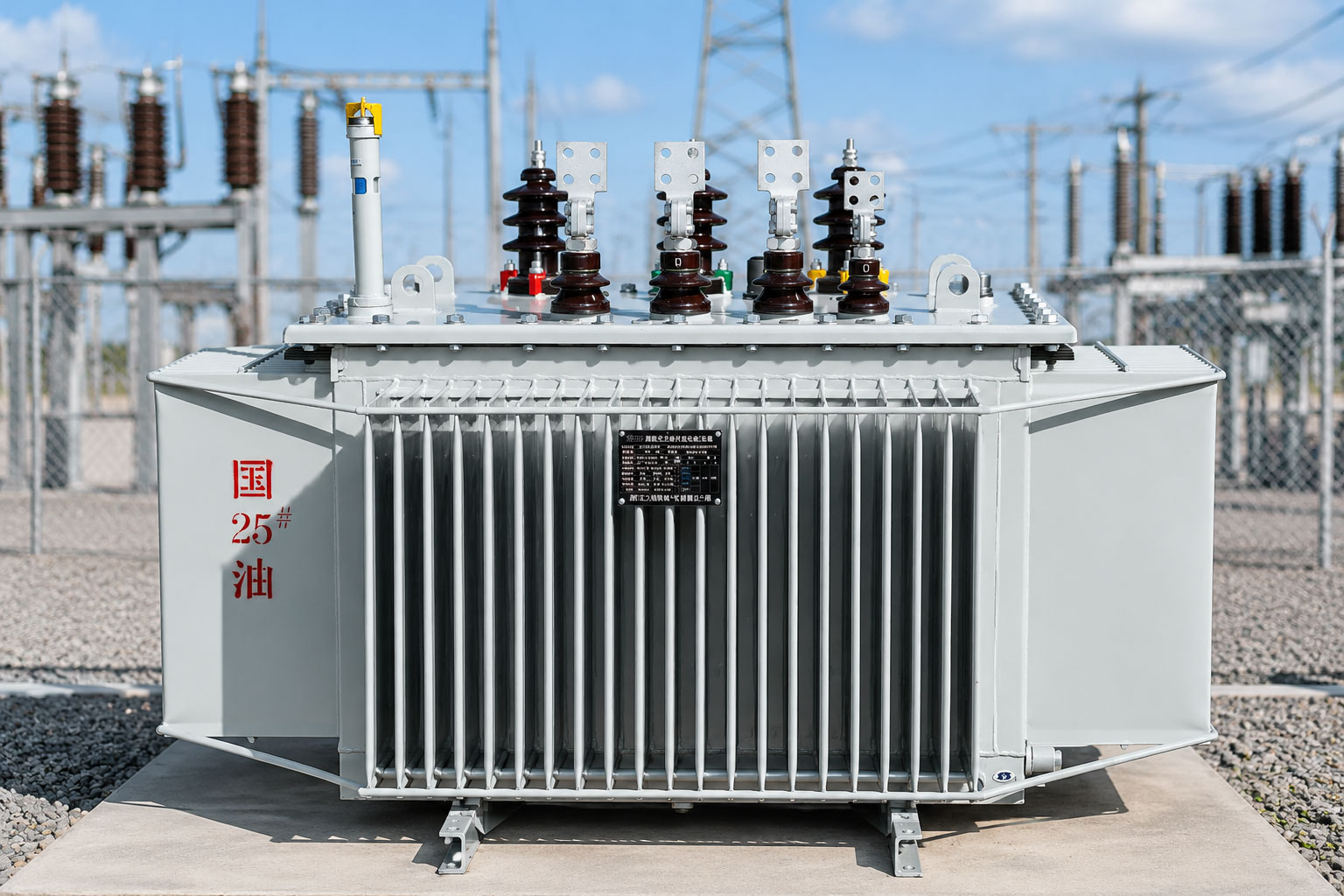
| Oil-Immersed Transformer | Transfers high-capacity power with oil cooling | Outdoor substations, grids, industrial plants | Cooling, insulation, overload capacity |
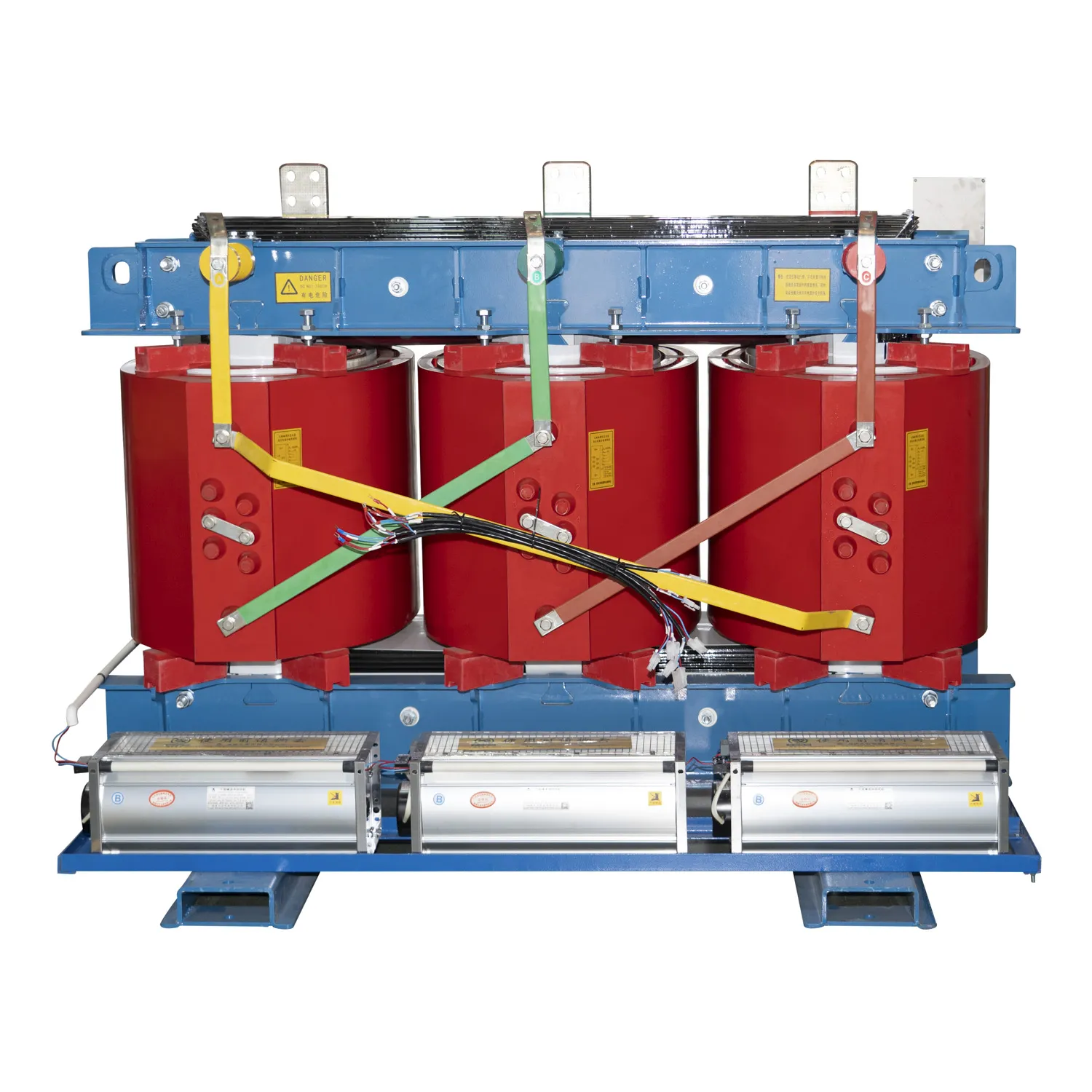
| Dry-Type Transformer | Provides indoor voltage conversion without insulating oil | Hospitals, malls, high-rise buildings, data centers | Fire safety and environmental requirements |
| Distribution Transformer | Supplies final usable voltage near load centers | Urban grids, rural grids, commercial power | Efficiency, noise, loss, reliability |
| Special Transformer | Handles special load or voltage regulation needs | Mining, metallurgy, arc furnace, special industry | Load profile and customization |
Tenrony’s oil-immersed transformer series covers 6kV–35kV products, including single-phase, three-phase, pole-mounted, ground-mounted, and distribution transformer options. For indoor and fire-sensitive applications, Tenrony dry-type transformers offer epoxy resin insulation, air cooling, flame retardancy, fire resistance, pollution-free operation, and direct installation near the load center.
Efficiency is also part of transformer function because transformers operate continuously in many systems. The U.S. Department of Energy notes that manufacturers have been required to comply with distribution transformer efficiency standards since 2007, showing why loss reduction is important for long-term operating cost.
How to Select a Transformer Based on Its Function
Selecting a transformer based on function means matching voltage ratio, capacity, insulation type, cooling method, installation environment, load profile, efficiency target, and safety requirements. A transformer should be chosen according to how it will operate in the real power system, not only by rated capacity.
For outdoor substations, industrial plants, renewable energy stations, and medium- or high-voltage distribution, oil-immersed transformers are often suitable because they provide strong insulation and heat dissipation. For indoor projects such as hospitals, schools, shopping malls, high-rise buildings, and data centers, dry-type transformers are often preferred because they reduce fire and oil leakage concerns.
Buyers should confirm primary voltage, secondary voltage, rated capacity, phase, frequency, impedance, temperature rise, insulation class, noise level, cooling method, protection accessories, altitude, ambient temperature, and applicable IEC, IEEE, GB, or local standards. For special applications, harmonics, overload conditions, frequent switching, short-circuit current, and future load expansion should also be discussed with the manufacturer.
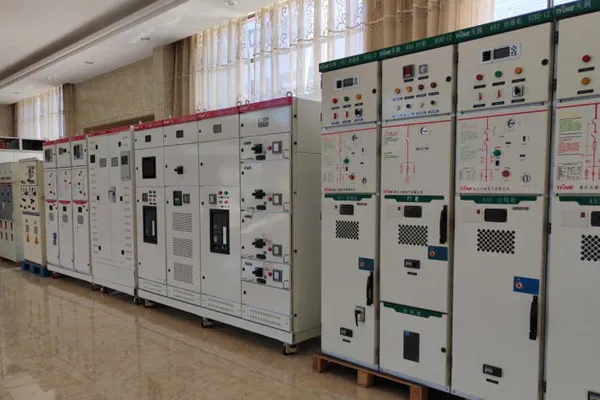
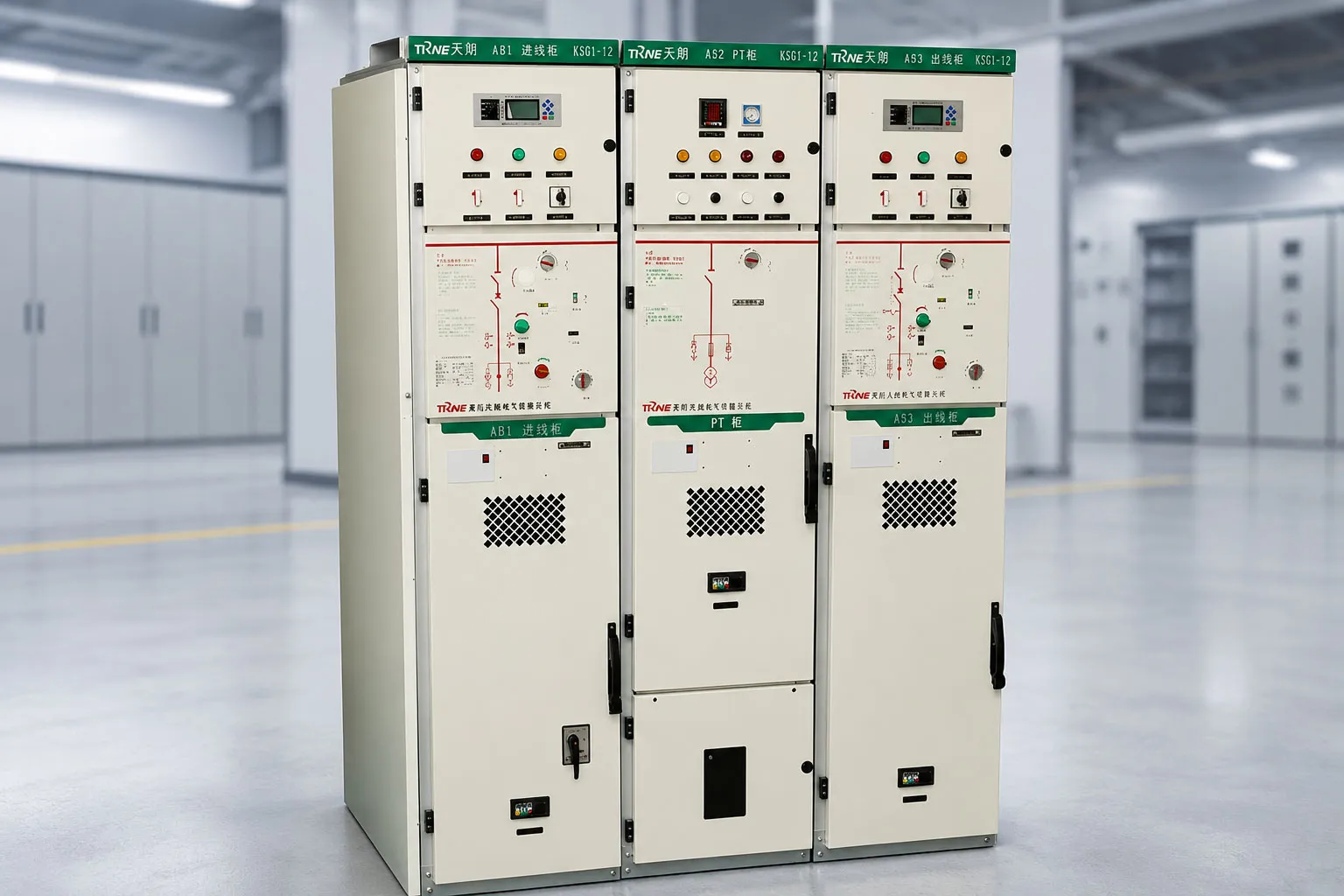
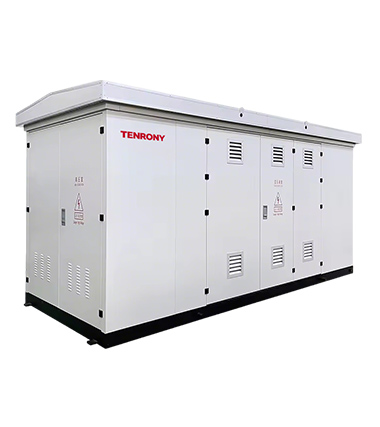
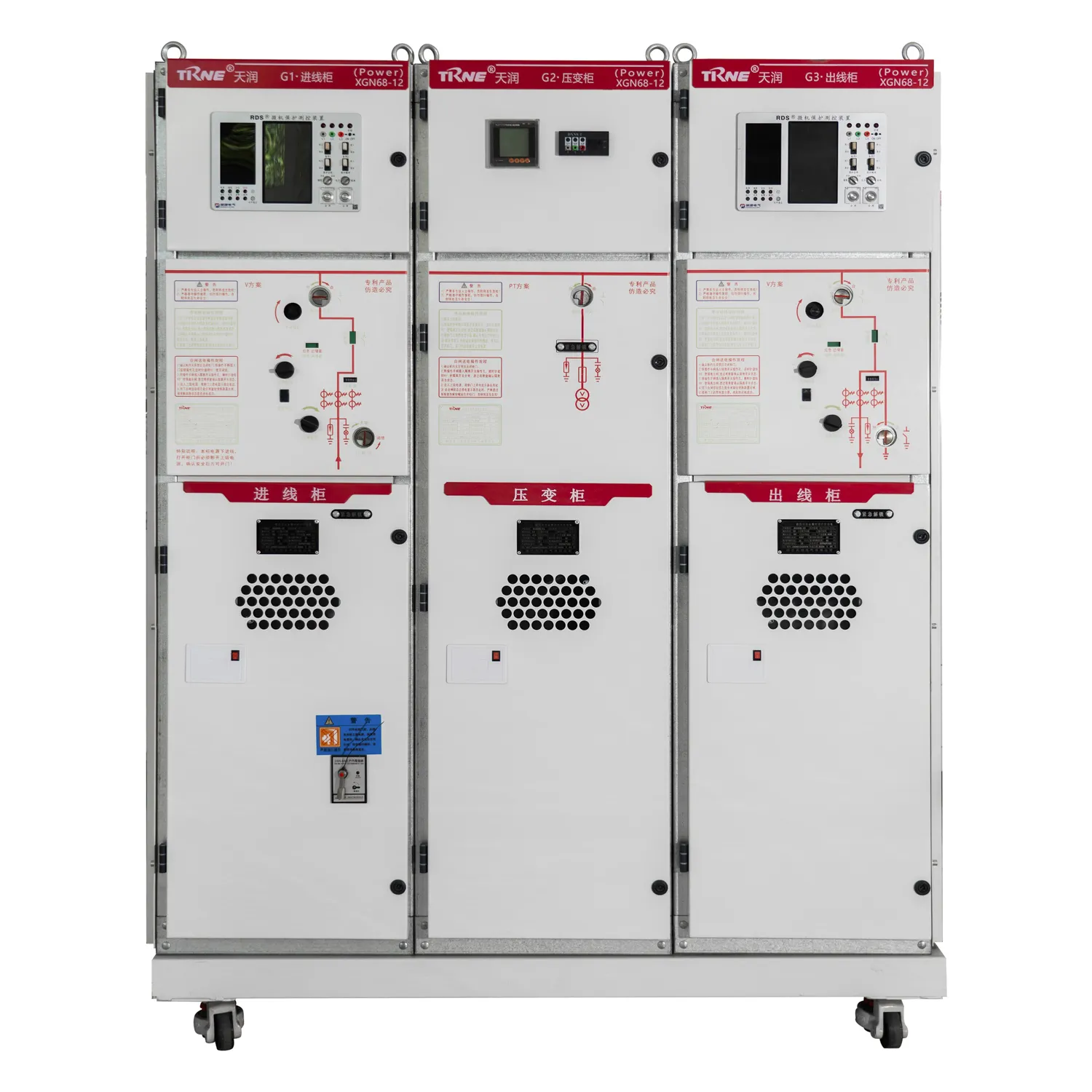
Tenrony, founded in 2003, is a power distribution equipment manufacturer integrating R&D, design, manufacturing, sales, and after-sales service. With transformer, substation, high-voltage switchgear, and low-voltage switchgear product lines, Tenrony supports project-based transformer selection for power grids, construction, renewable energy, mining, and industrial power systems.
Conclusion
The function of an electrical transformer is to make power transmission and distribution safer, more efficient, and more practical by changing AC voltage levels, transferring energy, providing isolation, supporting grid connection, and adapting power to different loads. Step-up transformers support long-distance transmission, while step-down and distribution transformers make electricity usable for end equipment.
For buyers, the best transformer is not only the one with the correct voltage and capacity. It should also match the installation environment, safety requirements, cooling method, efficiency target, and long-term maintenance plan. Tenrony provides power transformers, oil-immersed transformers, dry-type transformers, special transformers, substations, and switchgear solutions for reliable electrical power distribution projects.
FAQ
1. What is the main function of an electrical transformer?
The main function of an electrical transformer is to change AC voltage from one level to another while transferring electrical energy between circuits at the same frequency.
2. Why are transformers needed in power transmission?
Transformers are needed because high-voltage transmission reduces current and helps reduce power loss over long distances. Step-down transformers then reduce voltage for safer distribution.
3. Does a transformer change AC to DC?
No. A standard transformer changes AC voltage levels but does not convert AC to DC. AC-to-DC conversion requires rectifiers or power electronic equipment.
4. What is the difference between step-up and step-down transformer function?
A step-up transformer increases voltage for transmission, while a step-down transformer reduces voltage for distribution or equipment use.
5. Why are oil-immersed transformers used outdoors?
Oil-immersed transformers are widely used outdoors because insulating oil provides strong cooling and insulation, making them suitable for substations, grids, and higher-capacity applications.
6. Why choose Tenrony for transformer projects?
Tenrony offers power transformers, oil-immersed transformers, dry-type transformers, special transformers, substations, and switchgear, supported by R&D capability, manufacturing experience, and project-based customization.
The Author — Mr. Cai Dongpo
About Our Chief Engineer
Mr. Cai Dongpo is the Chief Engineer of Tenrony. Since joining the company in 2007, he has devoted his entire career to technical design and engineering, building extensive, hands-on expertise across electromechanical design projects. Over nearly two decades, he has played a key design role in a series of major industrial and infrastructure programs — including the China Coal Pingshuo Group, China Coal Pinglu Group, the CRRC (CNR) locomotive manufacturing production line, the CRRC (CSR) production line, and the Sunan Shuofang International Airport expansion project. His deep technical command and proven project track record form a cornerstone of Tenrony's engineering strength.
 English
 русский