A 35kV transformer and a 35kVA transformer are not the same product because “kV” describes voltage level while “kVA” describes power capacity. This is one of the most common specification mistakes in transformer purchasing, especially when buyers request quotations for substations, distribution projects, industrial facilities, or renewable energy systems.
In simple terms, 35kV tells you the electrical voltage class of the transformer, while 35kVA tells you how much apparent power the transformer can carry. A transformer can be rated 35kV and 630kVA, 35kV and 2500kVA, or 35kV and much higher capacity. But a 35kVA transformer is a small-capacity unit and may have a voltage rating far below 35kV.
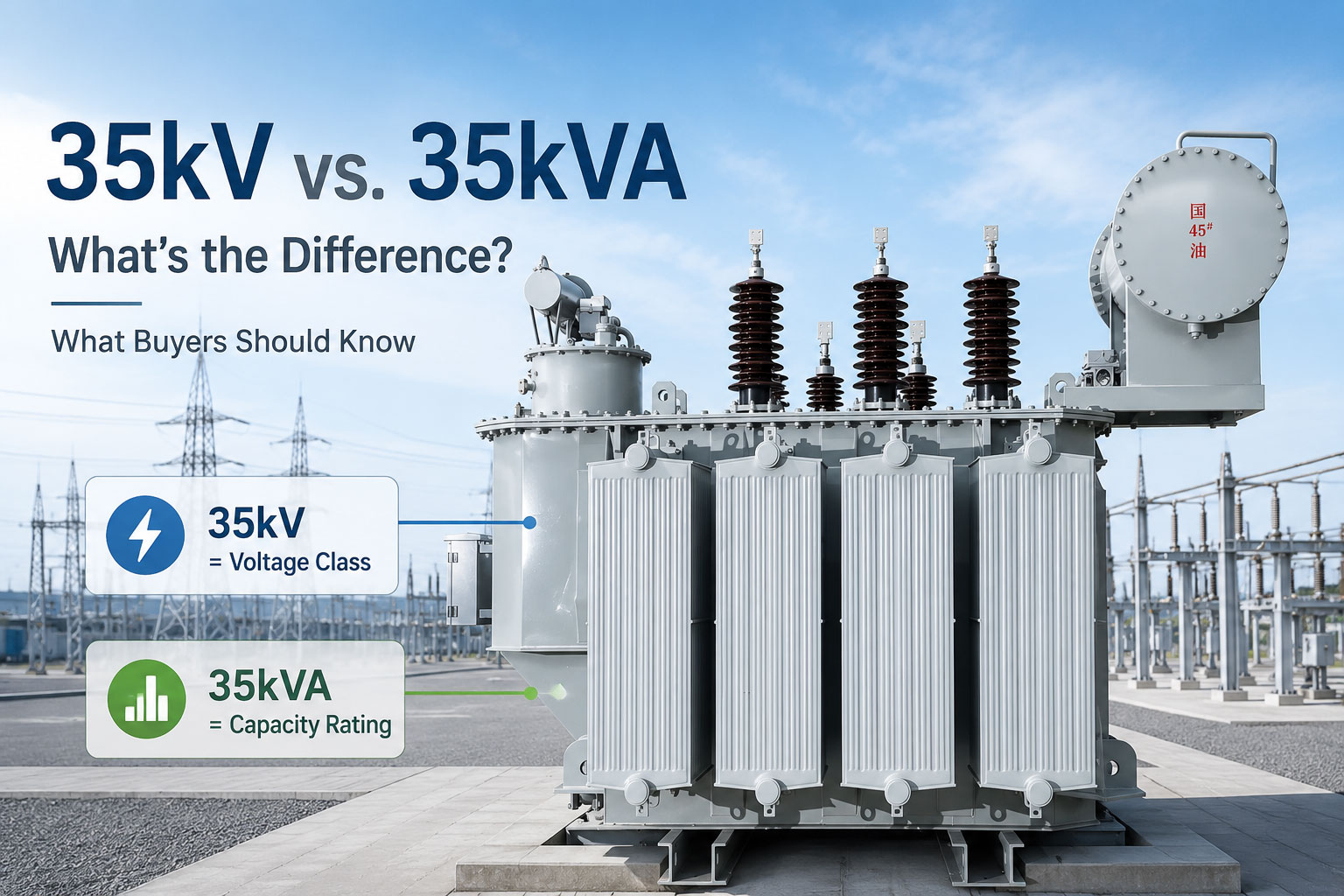
What Does 35kV Mean in a Transformer?
35kV means the transformer is designed for a 35-kilovolt voltage class, usually referring to the high-voltage side or system voltage level. It is a voltage rating, not a capacity rating.
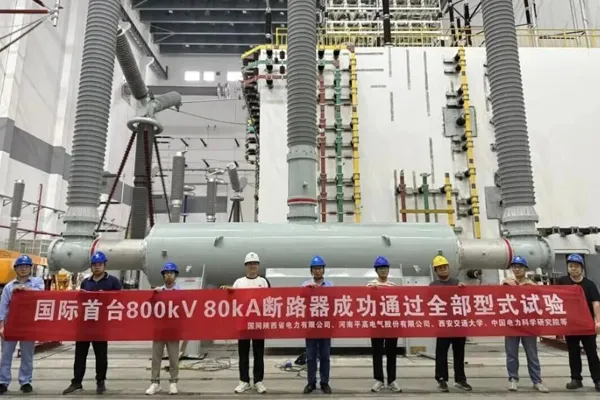
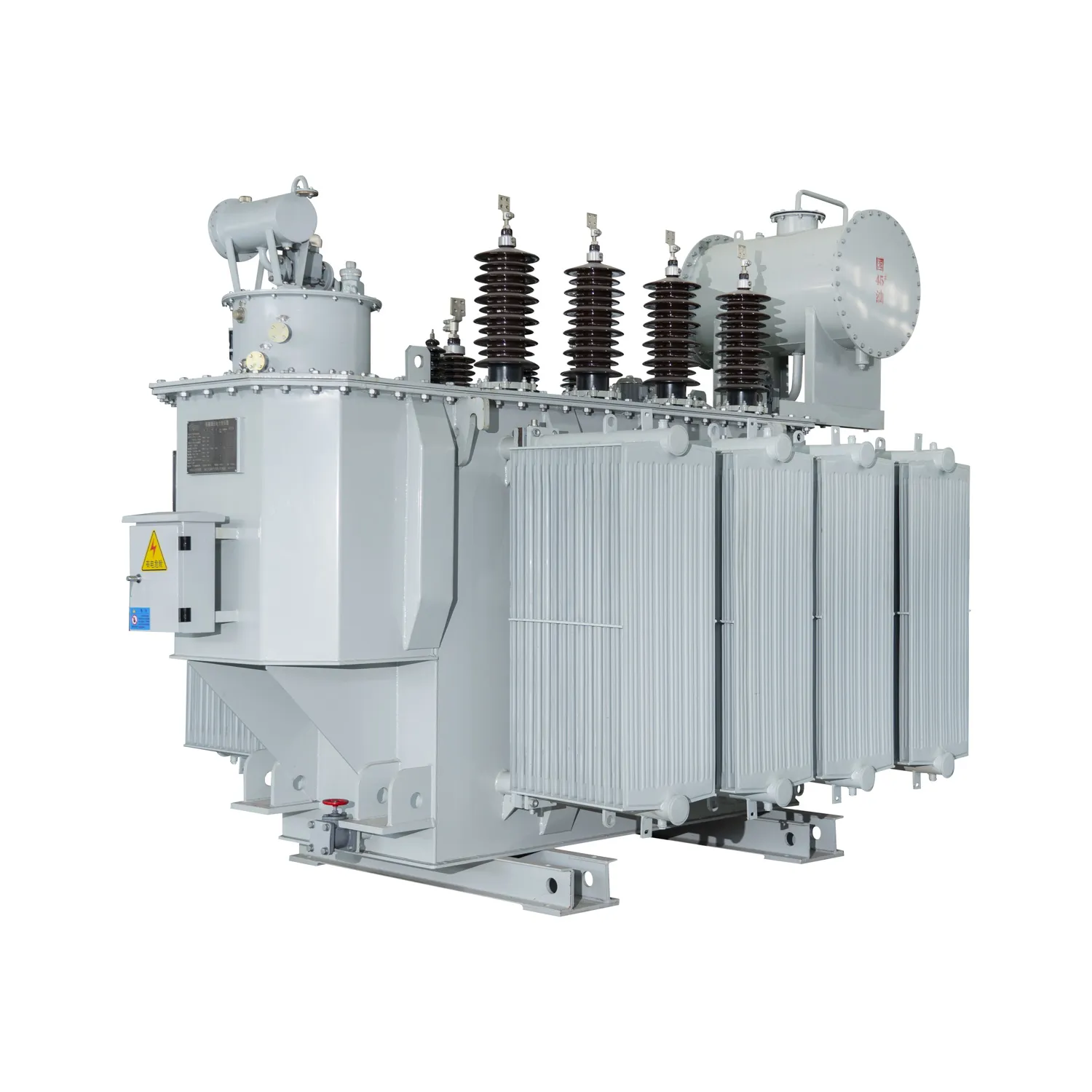
In transformer projects, 35kV is commonly used in medium-voltage networks, industrial substations, renewable energy stations, mining projects, and distribution systems. A 35kV transformer may step voltage down from 35kV to 10kV, 6kV, 0.4kV, or other required secondary voltage levels. It may also step voltage up in solar, wind, or power generation projects before grid connection.
For international specification, buyers often refer to the IEC 60076-1 power transformer standard, which applies to three-phase and single-phase power transformers. Standards help define rated voltage, rated power, tapping, insulation level, temperature rise, cooling method, and testing requirements.
A 35kV transformer is usually not selected only by voltage. Buyers must also confirm rated capacity, phase, frequency, vector group, impedance, insulation level, cooling method, installation environment, and protection accessories.
What Does 35kVA Mean in a Transformer?
35kVA means the transformer has a rated apparent power capacity of 35 kilovolt-amperes. It tells buyers how much load the transformer can carry, not what voltage level it uses.
The basic apparent power formulas are:
Single-phase transformer: kVA = V × A / 1000
Three-phase transformer: kVA = √3 × kV × A
For example, a 35kVA three-phase transformer connected to a 400V secondary system supplies about 50.5A of line current. At 10kV, 35kVA equals only about 2A of line current. This shows why kVA and kV cannot be exchanged.
A 35kVA transformer is often used for smaller loads such as control panels, small commercial equipment, lighting circuits, auxiliary power, small workshops, or special equipment. It is not automatically a 35kV transformer. In many cases, a 35kVA transformer may be 0.4kV, 6kV, 10kV, 11kV, or another voltage configuration depending on the project.
35kV vs 35kVA Transformer Comparison Table
A 35kV vs 35kVA transformer comparison should separate voltage class from power capacity because these two ratings answer different engineering questions. The table below explains the difference clearly.
| Item | 35kV Transformer | 35kVA Transformer |
| Meaning | Voltage class or rated voltage level | Apparent power capacity |
| Unit Type | kV = kilovolt | kVA = kilovolt-ampere |
| What It Answers | What voltage can the transformer handle? | How much load can the transformer supply? |
| Typical Use | Medium-voltage distribution, substations, solar/wind, industrial systems | Small load supply, control power, auxiliary circuits |
| Possible Capacity | 630kVA, 1000kVA, 2500kVA, 10MVA or higher | 35kVA only |
| Possible Voltage | 35kV primary or secondary voltage | Any designed voltage, such as 400V, 10kV, 11kV |
| Buyer Risk | Forgetting capacity, insulation, and impedance | Mistaking capacity for voltage level |
| Quotation Requirement | Need kV, kVA/MVA, voltage ratio, insulation level | Need kVA, input/output voltage, phase, enclosure |
A useful way to remember it is: kV is pressure, kVA is load capacity. Voltage tells you the electrical level of the system. Capacity tells you how much power the transformer can deliver without exceeding design limits.
How Buyers Should Specify the Right Transformer
Specifying the right transformer means providing both voltage rating and capacity rating, plus application conditions. A request such as “35 transformer” or “35k transformer” is incomplete and can lead to the wrong quotation.
A proper transformer inquiry should include primary voltage, secondary voltage, rated capacity, phase, frequency, installation location, insulation medium, cooling method, load type, altitude, ambient temperature, enclosure requirement, and applicable standards. For example, “35kV/0.4kV, 1000kVA, three-phase, oil-immersed, ONAN cooling, outdoor installation” is far clearer than “35kV transformer.”
For pad-mounted and distribution applications, buyers can also review the IEEE C57.12.34 distribution transformer standard, which covers three-phase liquid-immersed, self-cooled, pad-mounted distribution transformers up to 34.5kV nominal system voltage and up to 10MVA. For energy-efficiency planning, the U.S. Department of Energy’s page on distribution transformer efficiency standards is also a useful reference for understanding regulated voltage and capacity ranges.
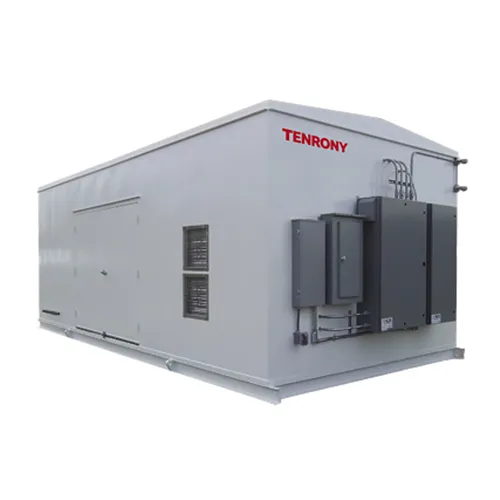
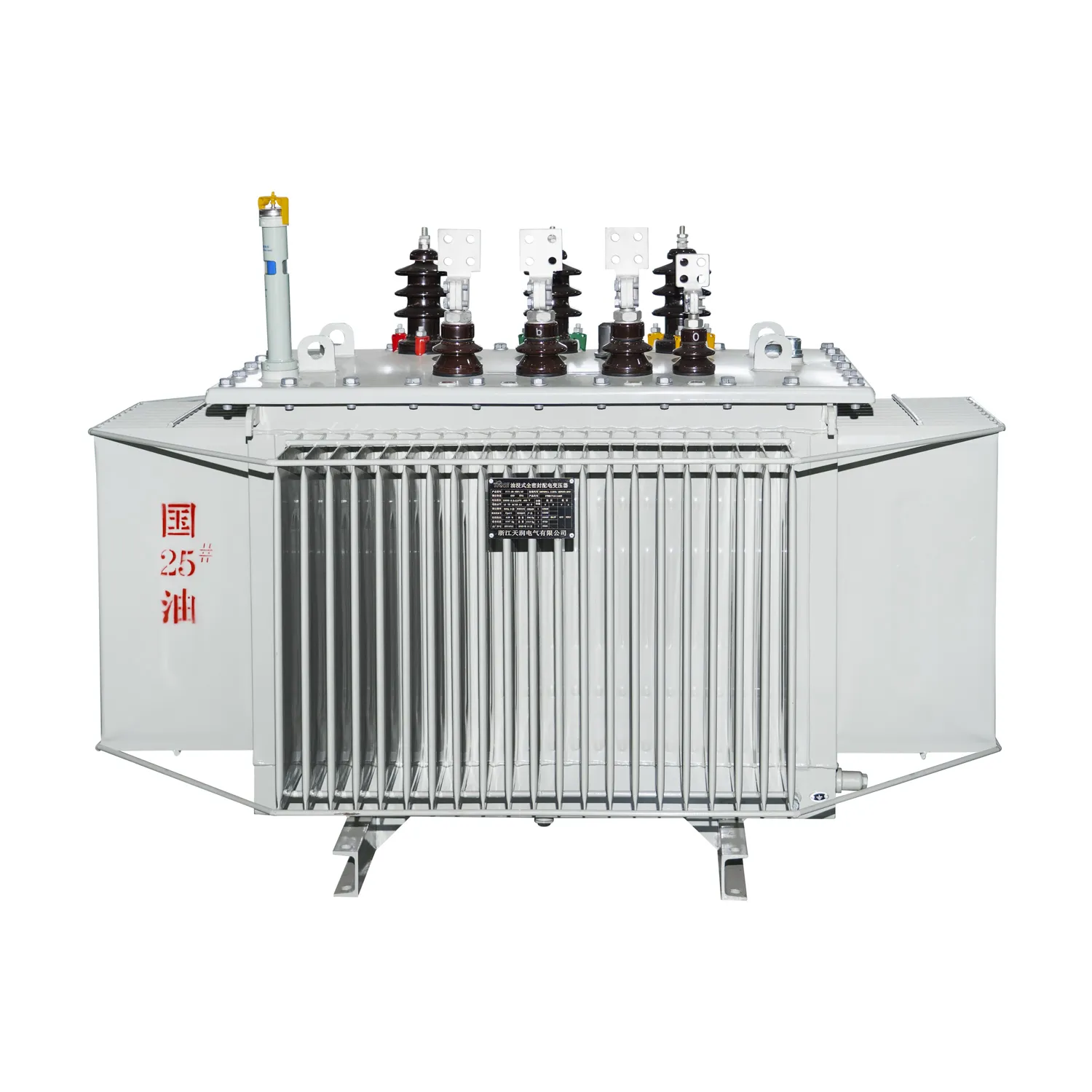
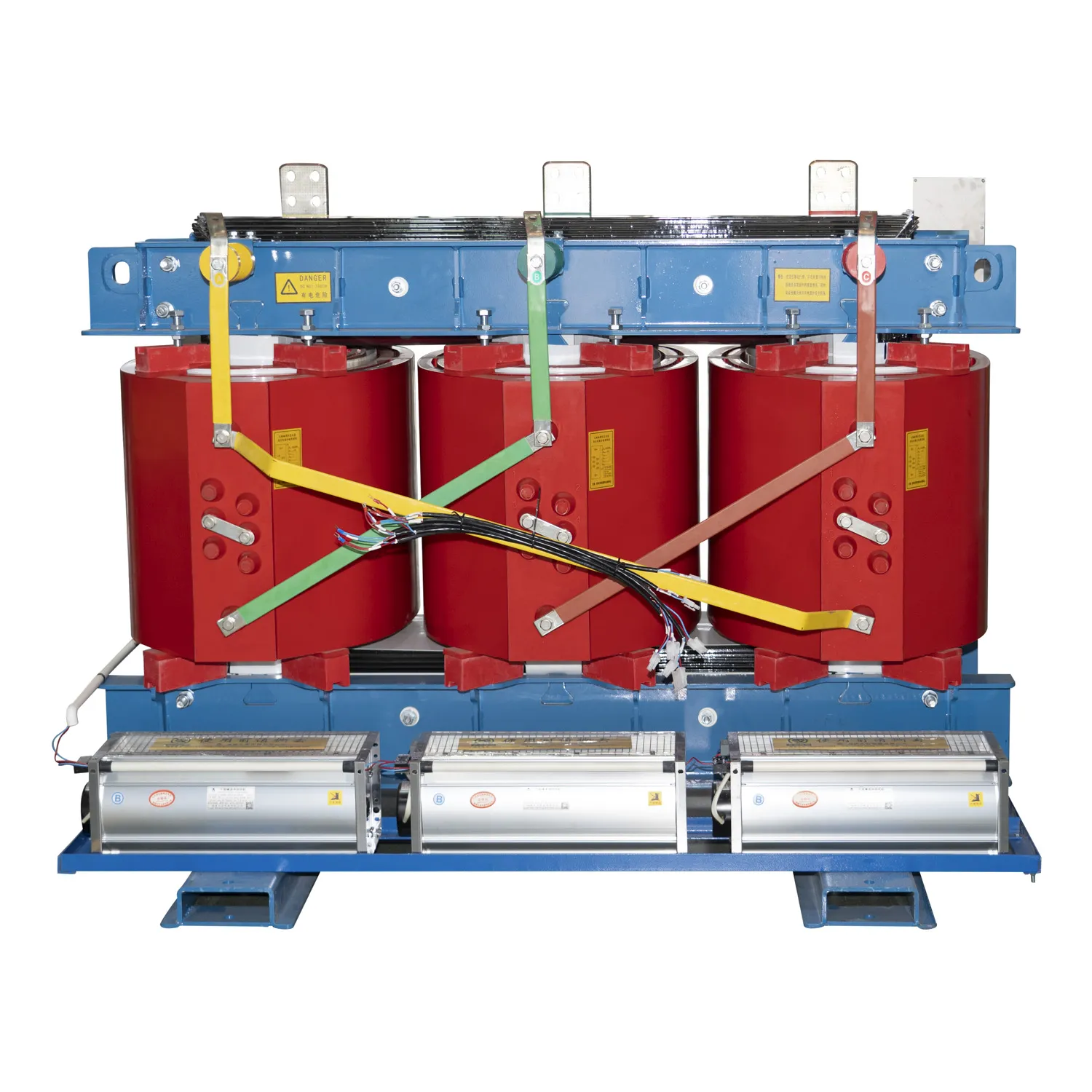
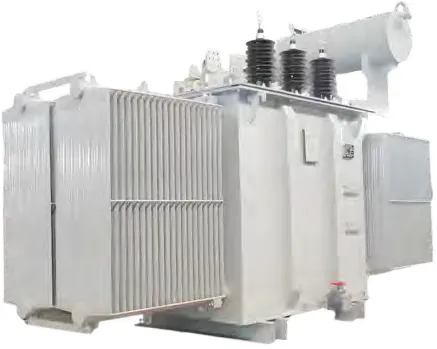
Tenrony helps buyers clarify transformer specifications for 35kV substations, oil-immersed transformers, dry-type transformers, distribution transformers, and special transformer projects. For indoor buildings, hospitals, schools, shopping malls, and places with fire-safety requirements, dry-type transformers may be preferred. For outdoor substations, renewable energy, mining, and high-capacity distribution, oil-immersed transformers are often more suitable.
Conclusion
The difference between a 35kV transformer and a 35kVA transformer is fundamental: 35kV describes voltage level, while 35kVA describes power capacity. A 35kV transformer is commonly associated with medium-voltage power distribution and substation projects. A 35kVA transformer is a small-capacity transformer used for limited loads and may have many possible voltage configurations.
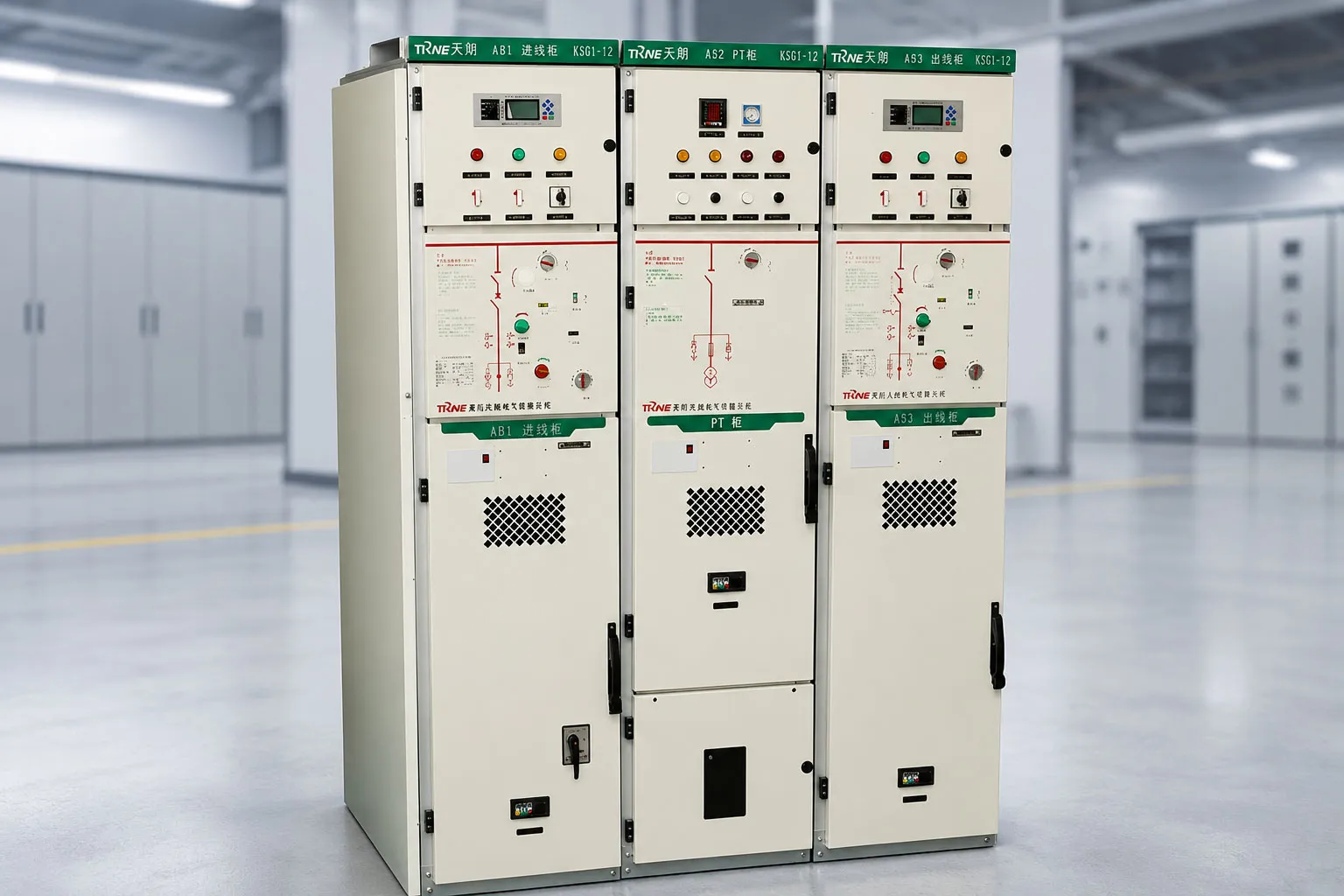
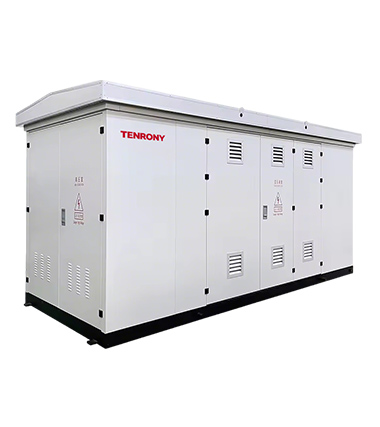
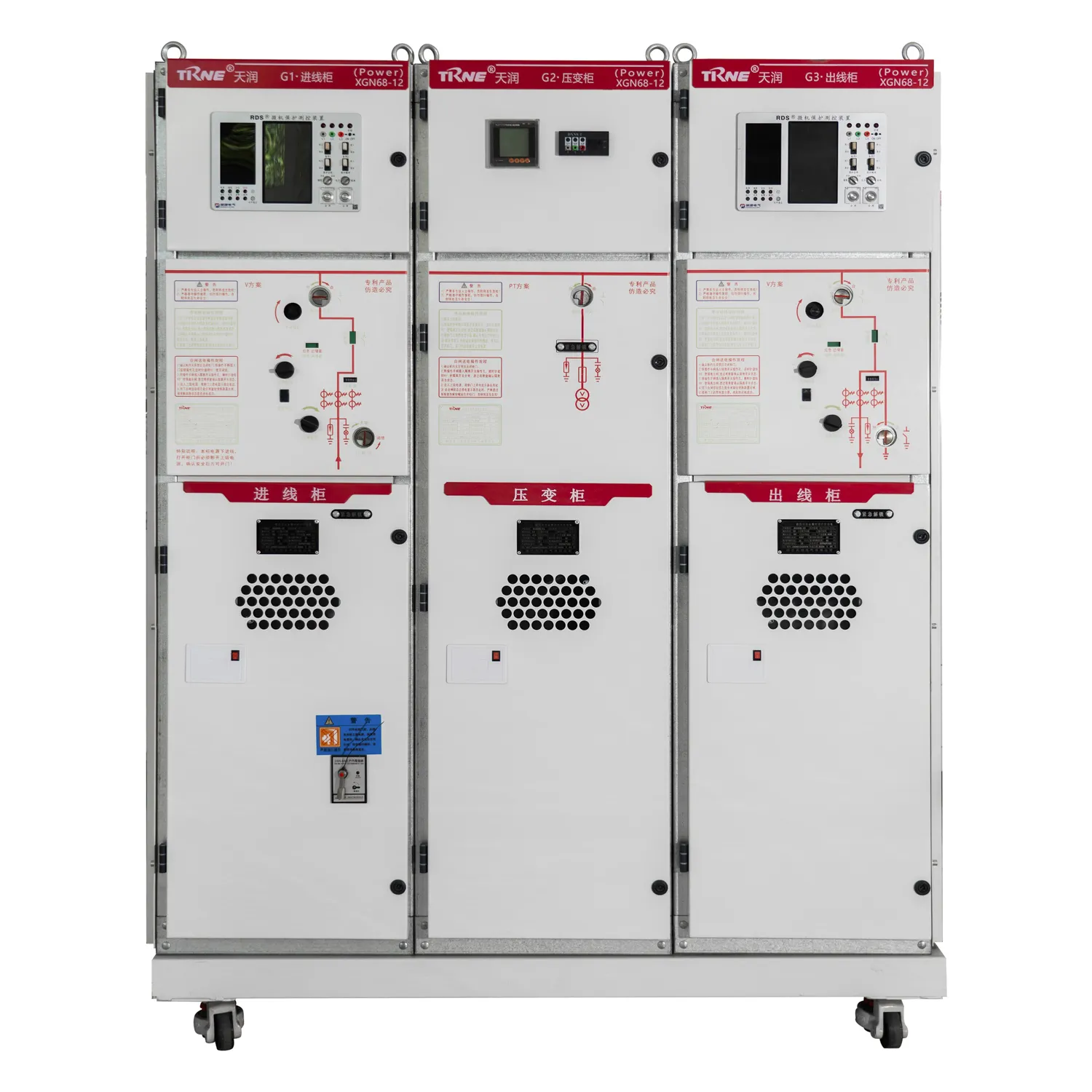
For buyers, the safest way to avoid quotation errors is to specify both voltage and capacity, such as 35kV/10kV 2500kVA or 10kV/0.4kV 35kVA. Tenrony supports transformer selection, design, and manufacturing for power transformers, oil-immersed transformers, dry-type transformers, substations, and switchgear systems, helping customers match technical specifications with real project needs.
FAQ
1. Is 35kV the same as 35kVA?
No. 35kV is a voltage rating, while 35kVA is a power capacity rating. They describe completely different transformer specifications.
2. Can a transformer be both 35kV and 35kVA?
Technically yes, but it would mean the transformer has a 35kV voltage rating and only 35kVA capacity. This is uncommon for many medium-voltage distribution projects because 35kVA is a small capacity.
3. What is a 35kV transformer used for?
A 35kV transformer is commonly used in substations, medium-voltage distribution systems, renewable energy stations, mining, industrial facilities, and grid connection projects.
4. What is a 35kVA transformer used for?
A 35kVA transformer is usually used for small loads, control power, auxiliary circuits, lighting, small workshops, commercial equipment, or specific machinery requiring limited power capacity.
5. How do I calculate current from kVA?
For a three-phase transformer, line current can be estimated by kVA ÷ (√3 × kV). For example, 35kVA at 0.4kV is about 50.5A.
6. What information should I provide before buying a transformer?
You should provide primary voltage, secondary voltage, rated capacity, phase, frequency, installation environment, insulation type, cooling method, standards, load type, and any special requirements such as noise, enclosure, or fire safety.
The Author — Mr. Cai Dongpo
About Our Chief Engineer
Mr. Cai Dongpo is the Chief Engineer of Tenrony. Since joining the company in 2007, he has devoted his entire career to technical design and engineering, building extensive, hands-on expertise across electromechanical design projects. Over nearly two decades, he has played a key design role in a series of major industrial and infrastructure programs — including the China Coal Pingshuo Group, China Coal Pinglu Group, the CRRC (CNR) locomotive manufacturing production line, the CRRC (CSR) production line, and the Sunan Shuofang International Airport expansion project. His deep technical command and proven project track record form a cornerstone of Tenrony's engineering strength.
 English
 русский