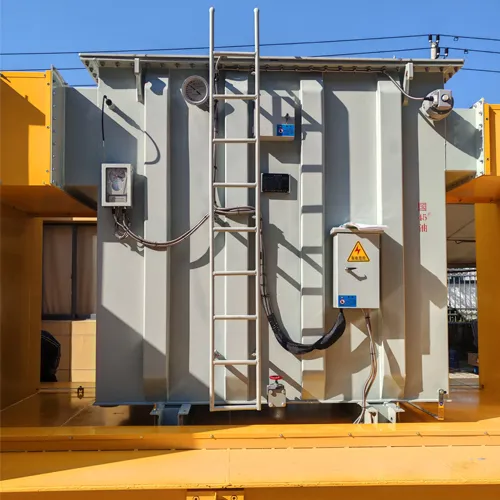
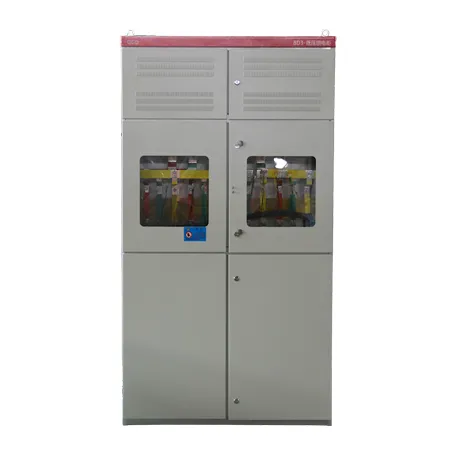
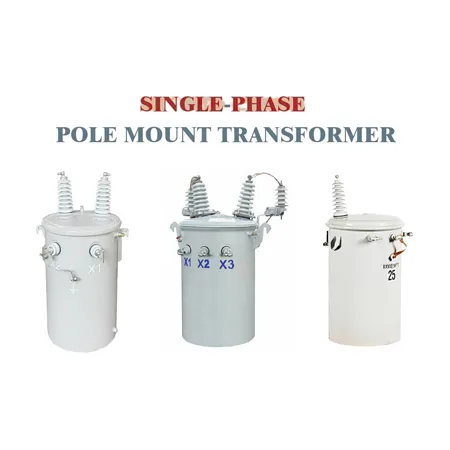
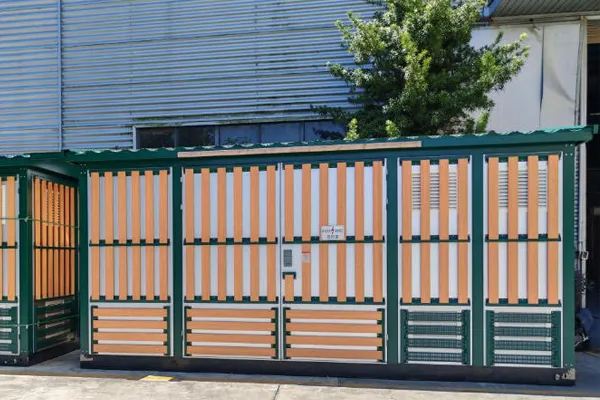
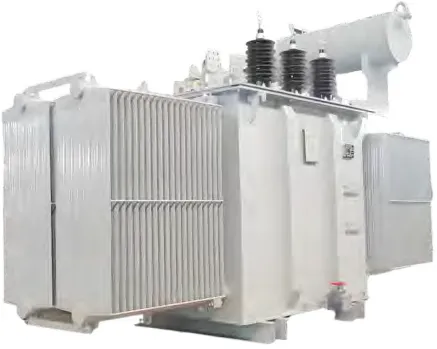
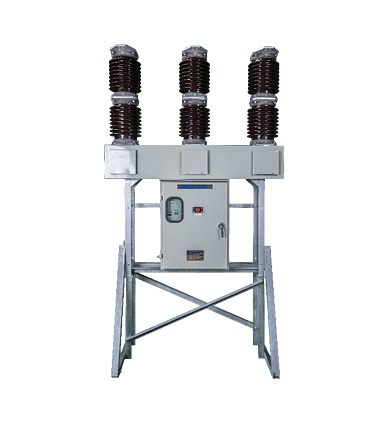
A 3 phase distribution transformer is electrical equipment used to step medium-voltage power down to lower usable voltage for factories, commercial buildings, substations, residential networks and industrial facilities. It is one of the most common transformer types in power distribution systems because most utility and industrial power networks use three-phase supply.
For buyers, choosing the right three phase distribution transformer means more than selecting kVA and voltage. The decision should consider insulation type, cooling method, load profile, installation environment, efficiency, losses, noise, safety requirements and project standards. Tenrony provides Three Phase Oil Immersed Distribution Transformer solutions for power distribution applications where stable operation, energy efficiency and reliable voltage transformation are required.
What Is a 3 Phase Distribution Transformer?
A 3 phase distribution transformer is a transformer that transfers electrical energy through three-phase windings and changes voltage from a distribution-level input to a lower output for end-use power supply. It is typically installed near load centers, substations, industrial plants or distribution networks.
In power systems, distribution transformers usually operate at the final voltage conversion stage before electricity reaches equipment, buildings or local networks. The U.S. Department of Energy defines a distribution transformer as a transformer with input voltage of 34.5kV or less, output voltage of 600V or less, and capacity of 10kVA–2500kVA for liquid-immersed units or 15kVA–2500kVA for dry-type units under its referenced definition. The official DOE distribution transformers page is a useful reference for understanding transformer classification in efficiency regulation.
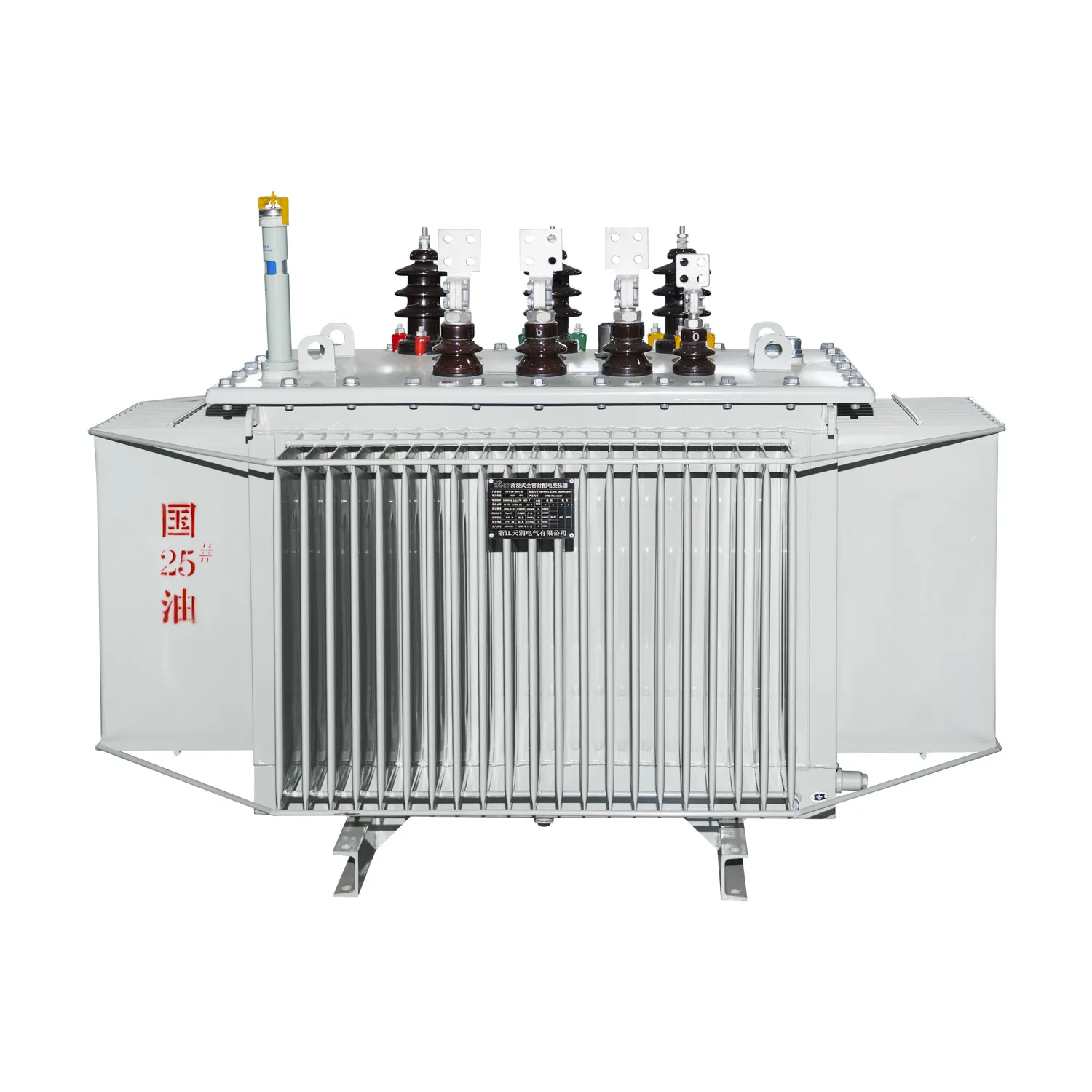
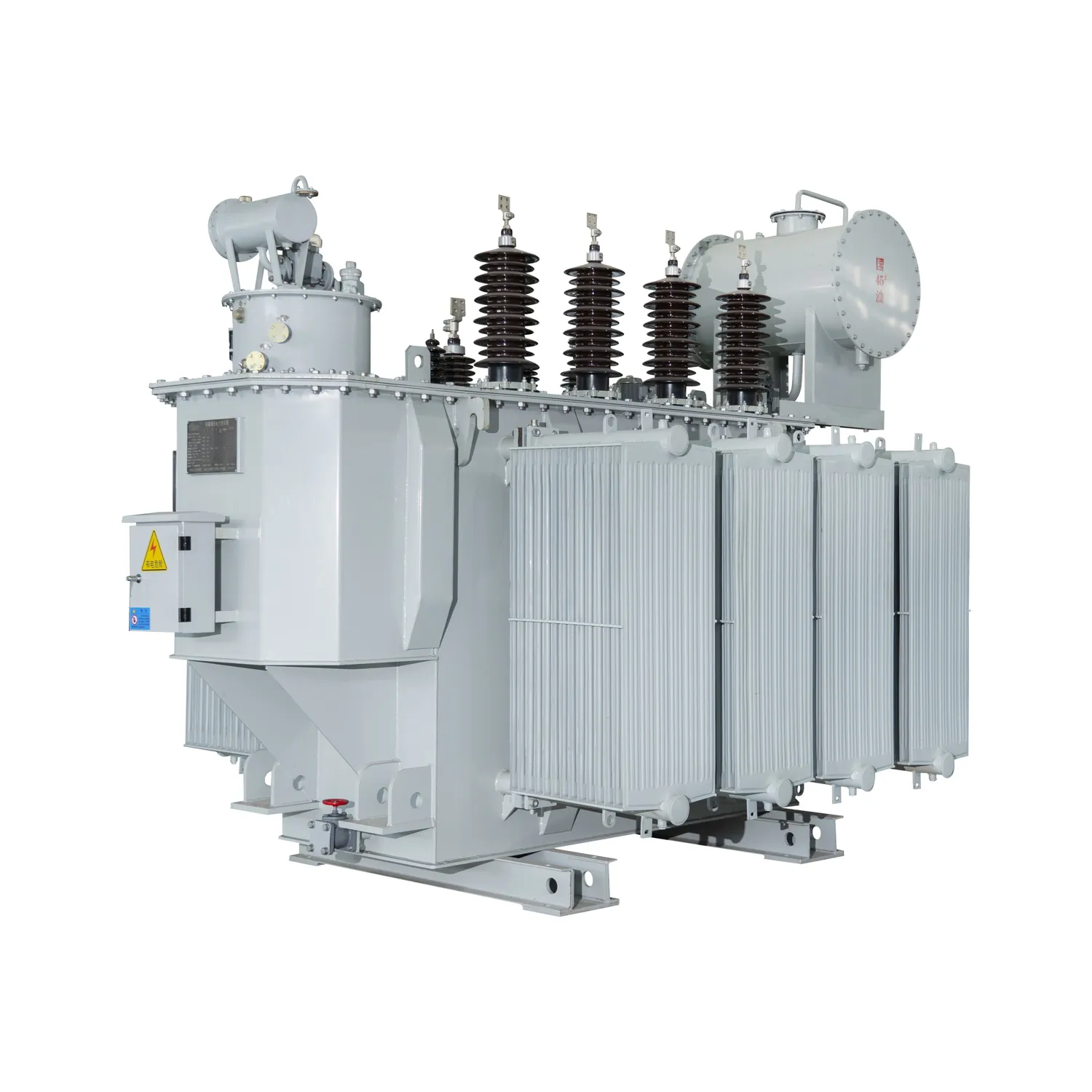
Tenrony’s oil-immersed transformer range covers 6kV–35kV products, including single-phase, three-phase, pole-mounted, ground-mounted and distribution transformer options, supporting different power distribution scenarios.
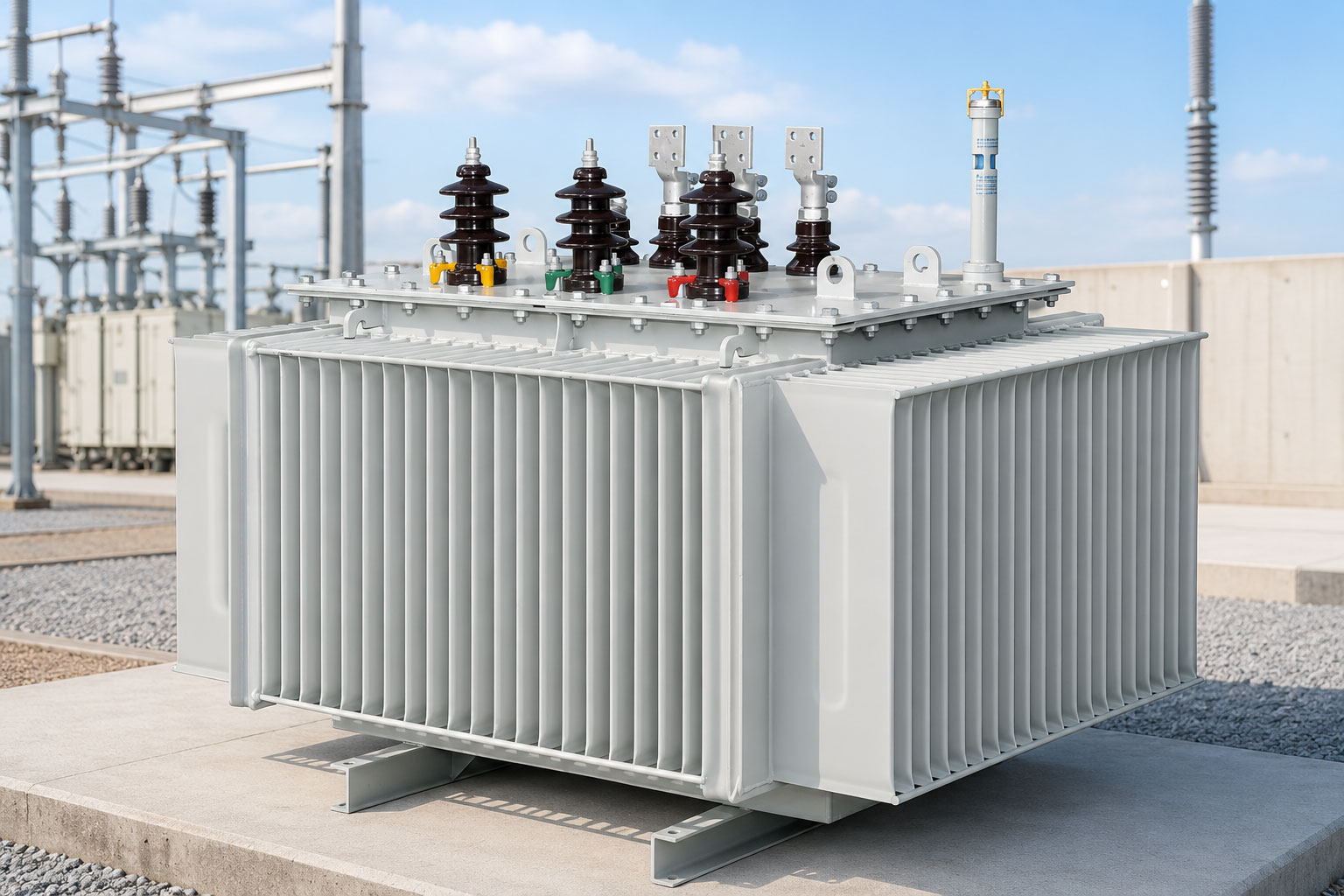
How Does a 3 Phase Distribution Transformer Work?
A 3 phase distribution transformer works by using electromagnetic induction between primary and secondary windings to change voltage while maintaining three-phase power transfer. The primary winding receives medium-voltage electricity, and the secondary winding outputs a lower voltage suitable for distribution or equipment use.
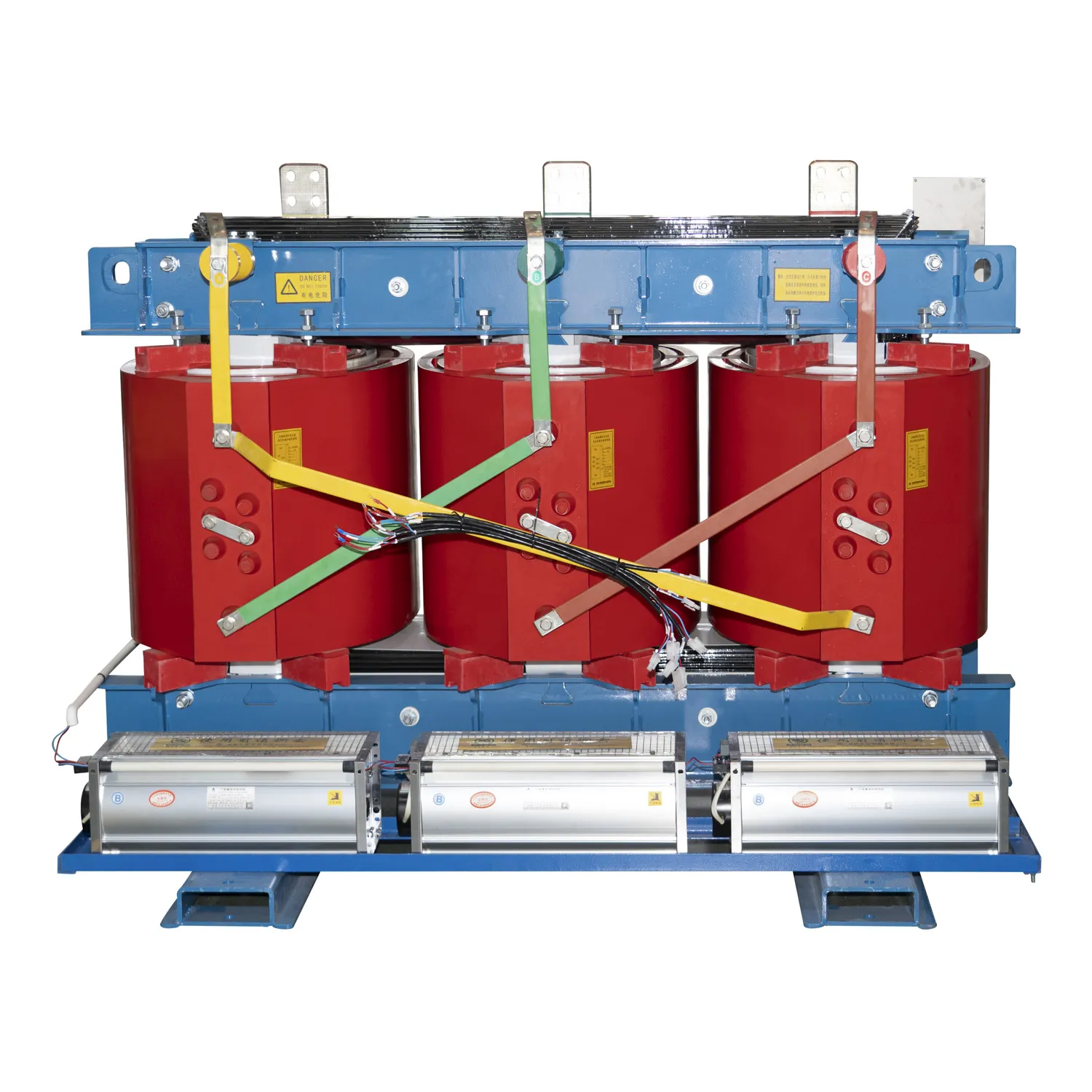
The transformer core guides magnetic flux, while the windings determine the voltage ratio. In oil-immersed designs, transformer oil provides insulation and heat dissipation. In dry-type designs, air and solid insulation systems are used instead of oil. This is why oil-immersed transformers are often selected for outdoor, utility and high-capacity applications, while dry-type transformers are often preferred for indoor buildings or fire-sensitive environments.
The international IEC 60076-1 power transformers standard applies to three-phase and single-phase power transformers, including voltage-regulating distribution transformers. For buyers, this means transformer selection should follow recognized standards, project specifications and local grid requirements.
Oil-Immersed vs Dry-Type 3 Phase Distribution Transformer
Oil-immersed and dry-type 3 phase distribution transformers differ mainly in insulation medium, cooling method, installation environment and safety considerations. The right choice depends on where the transformer will be installed and how it will be operated.
| Comparison Item | Oil-Immersed 3 Phase Transformer | Dry-Type 3 Phase Transformer |
|---|
| Insulation Medium | Transformer oil | Epoxy resin, air and solid insulation |
| Cooling Method | Oil circulation and radiator heat dissipation | Natural air or forced air cooling |
| Typical Voltage Range | Common in 6kV, 10kV, 11kV, 35kV systems | Common in indoor medium-voltage distribution |
| Best Application | Outdoor substations, industrial plants, utilities | High-rise buildings, hospitals, schools, malls |
| Fire Safety | Requires oil containment and fire protection planning | Flame-retardant and oil-free design |
| Maintenance | Oil testing and sealing condition should be checked | Generally lower routine maintenance |
| Tenrony Option | Oil-Immersed Transformer | Dry-Type Transformer |
Tenrony’s three-phase oil-immersed distribution transformer is designed to reduce no-load losses and noise through optimized core and coil design. Tenrony states that its self-developed three-phase oil-immersed distribution transformer reduces average no-load loss by 37% and noise by an average of 20% compared with the referenced national standard JB/T10088-2004.
For indoor and fire-safety-sensitive projects, Tenrony dry-type transformers use epoxy resin insulation and offer flame-retardant, fire-resistant, maintenance-free and pollution-free characteristics, making them suitable for buildings such as hospitals, schools, shopping malls and industrial sites with special fire requirements.
How to Choose the Right 3 Phase Distribution Transformer
Choosing the right 3 phase distribution transformer means matching voltage, capacity, insulation type, efficiency level, short-circuit strength, installation environment and protection system to the real project load. A transformer should be selected for long-term operation, not only for initial purchase price.
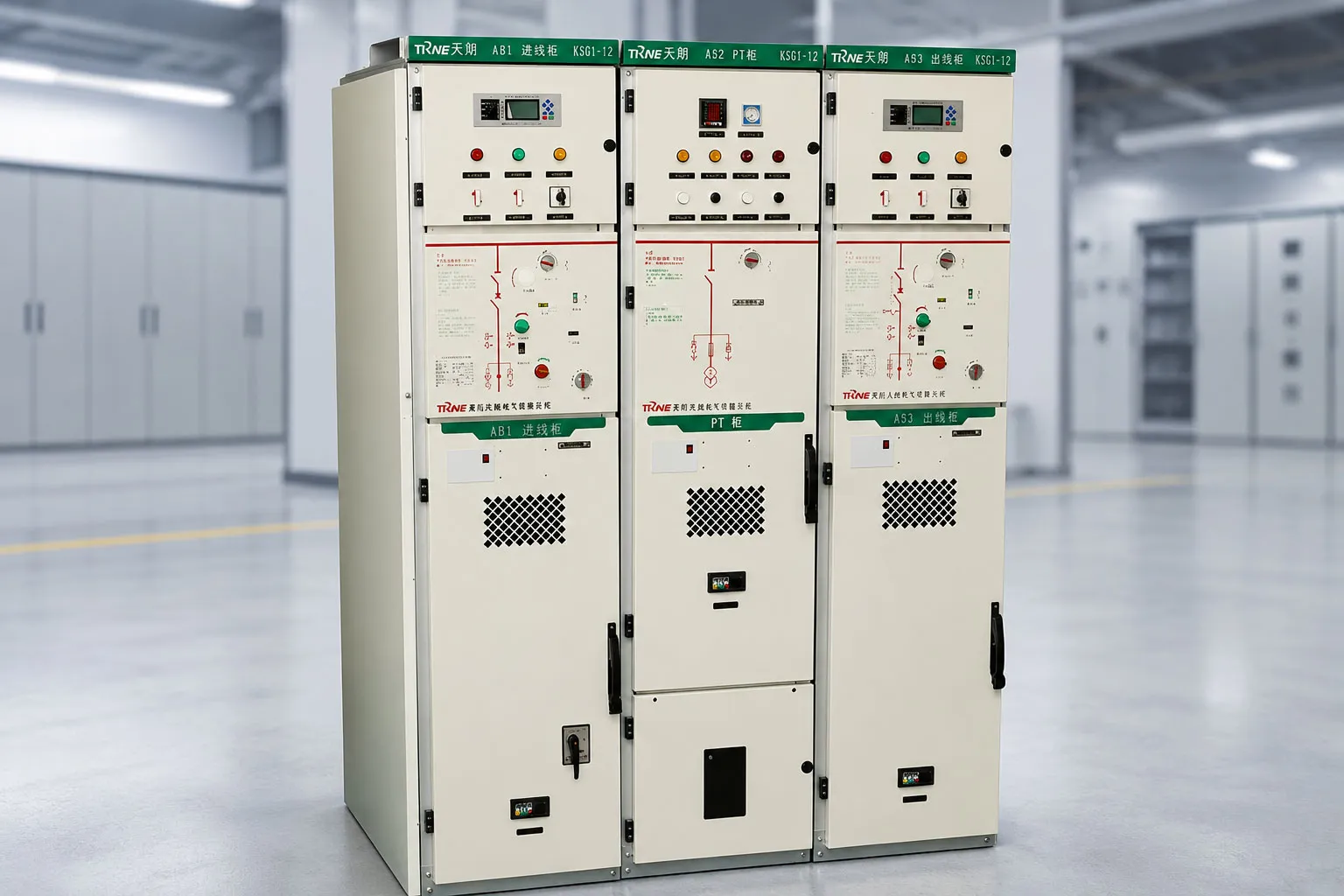
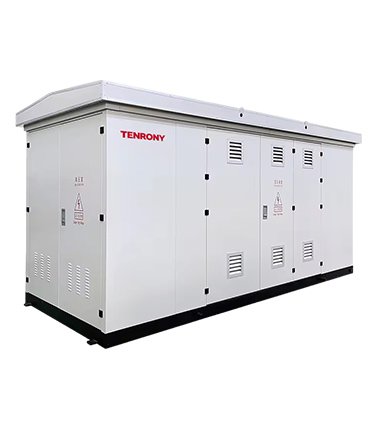
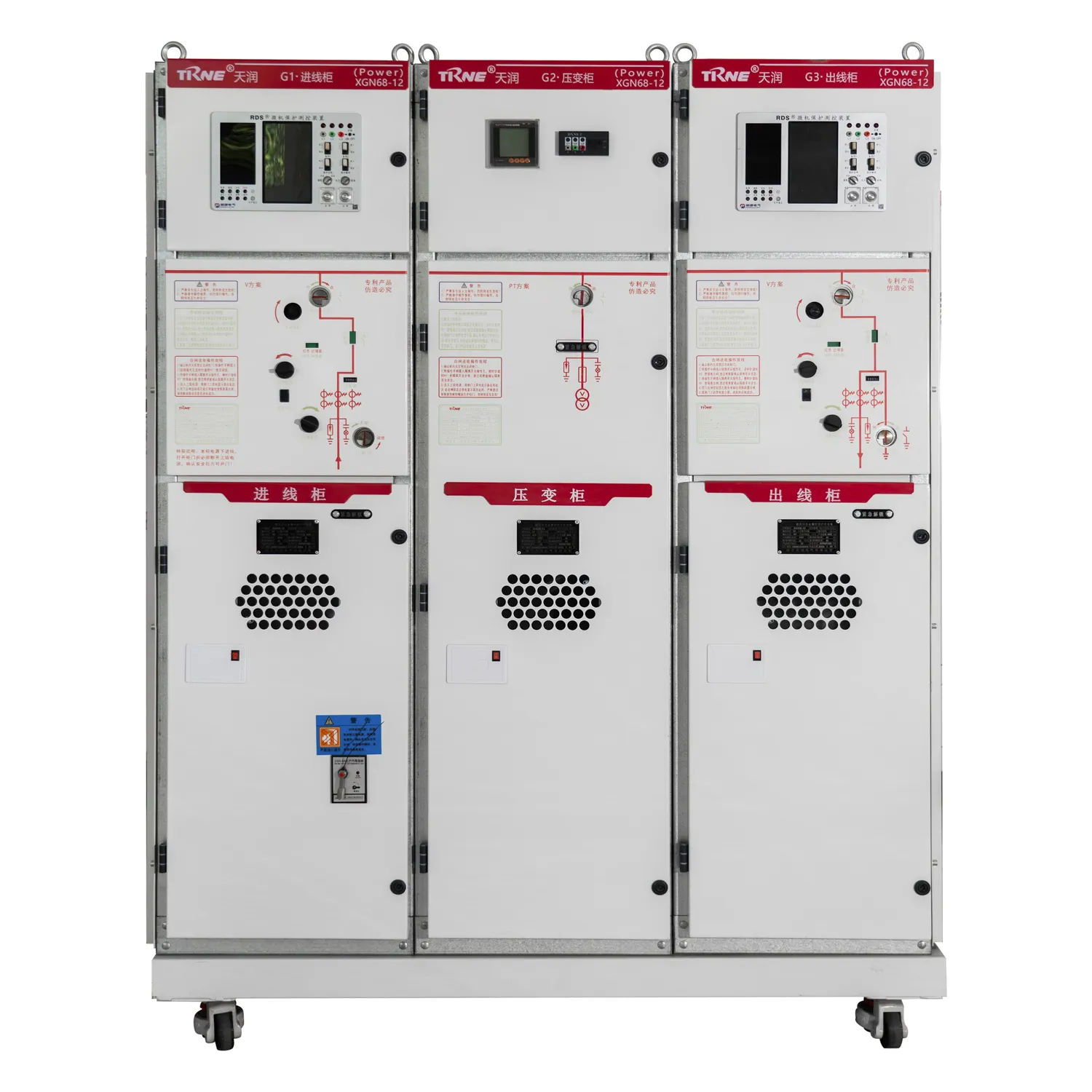
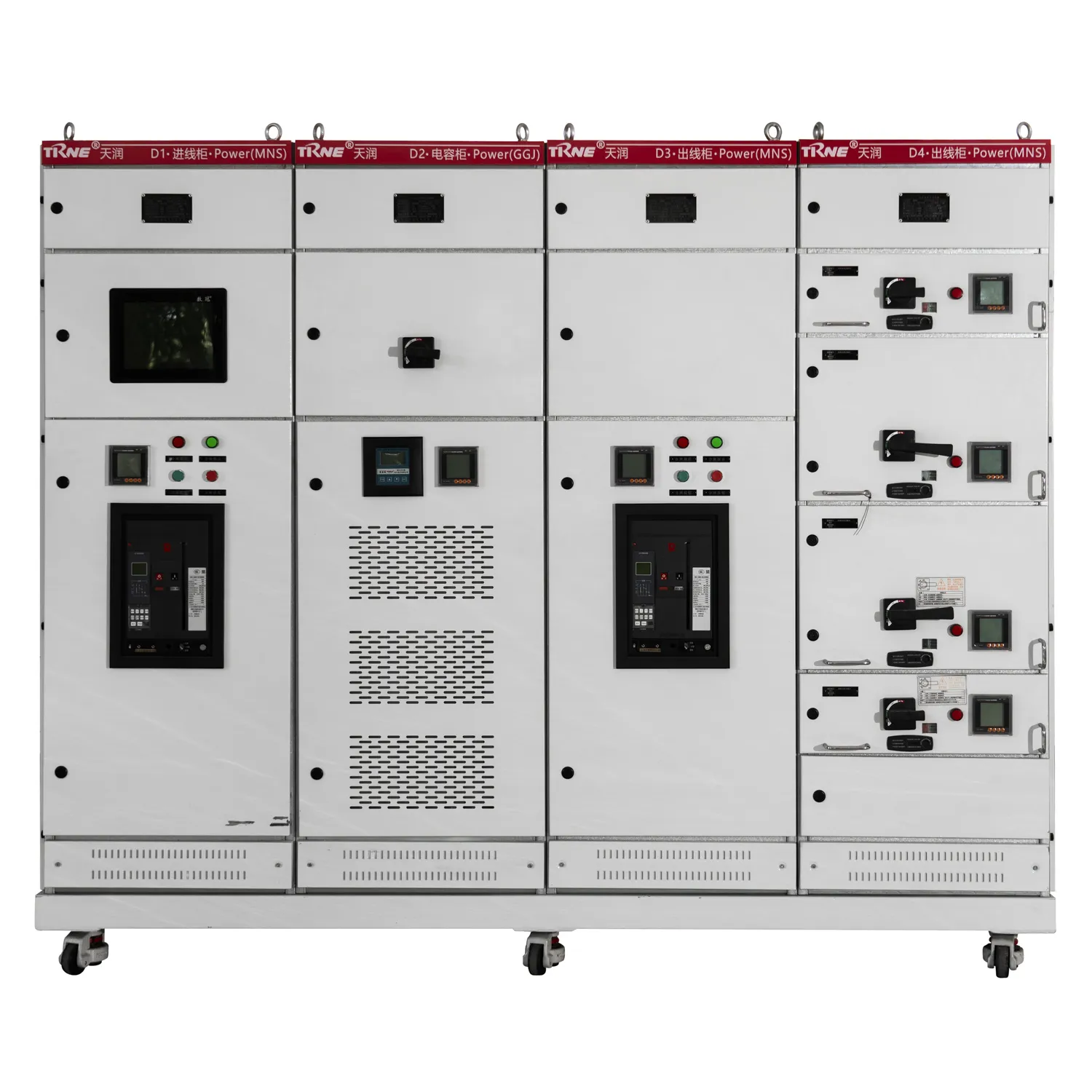
Buyers should first confirm primary voltage, secondary voltage, frequency, rated capacity, phase connection, impedance, tapping range, cooling method and installation location. Then evaluate load type, overload possibility, ambient temperature, altitude, humidity, noise limits, fire protection requirements and whether the project needs a compact substation or switchgear coordination.
For dry-type units, testing and compliance are also important. The IEEE C57.12.91 dry-type transformer test code describes test procedures for dry-type distribution and power transformers, supporting performance, safety and proper testing practices.
For outdoor substations, renewable energy projects, mining sites and high-capacity distribution, oil-immersed transformers may be more suitable. For indoor buildings, public facilities and places with strict fire-safety requirements, dry-type transformers may be preferred. Tenrony helps buyers select transformer solutions based on voltage class, load demand, installation conditions and power distribution system design.
Conclusion
A 3 phase distribution transformer is essential for converting medium-voltage three-phase electricity into usable lower-voltage power for industrial, commercial and utility distribution. The right transformer must match voltage, kVA rating, insulation type, cooling method, safety requirements, efficiency expectations and project environment.
Oil-immersed transformers are often chosen for outdoor, utility and higher-capacity applications, while dry-type transformers are strong options for indoor, fire-sensitive and building-based distribution projects. Tenrony provides three-phase oil-immersed distribution transformers, oil-immersed transformer systems and dry-type transformer solutions to support reliable power distribution for factories, substations, buildings and industrial infrastructure.
FAQ
1. What is a 3 phase distribution transformer?
A 3 phase distribution transformer is a transformer that uses three-phase windings to step medium-voltage electricity down to lower usable voltage for buildings, factories, substations and distribution networks.
2. Where is a 3 phase distribution transformer used?
It is used in industrial plants, commercial buildings, utility distribution networks, residential areas, renewable energy projects, substations, factories and mining facilities.
3. What is the difference between oil-immersed and dry-type transformers?
Oil-immersed transformers use transformer oil for insulation and cooling, while dry-type transformers use air and solid insulation such as epoxy resin. Oil-immersed units are common outdoors, while dry-type units are often used indoors.
4. What capacity range is common for distribution transformers?
Under the DOE-referenced definition, distribution transformers may range from 10kVA to 2500kVA for liquid-immersed units and 15kVA to 2500kVA for dry-type units, depending on application and regulation.
5. How do I select the right transformer rating?
Select the rating based on primary voltage, secondary voltage, load capacity, frequency, installation environment, cooling method, efficiency requirement, short-circuit capacity and future load expansion.
6. Why choose Tenrony for 3 phase distribution transformers?
Tenrony provides oil-immersed transformers, dry-type transformers, distribution transformers, substations and switchgear solutions, helping buyers match transformer products to real power distribution needs.
 English
 русский