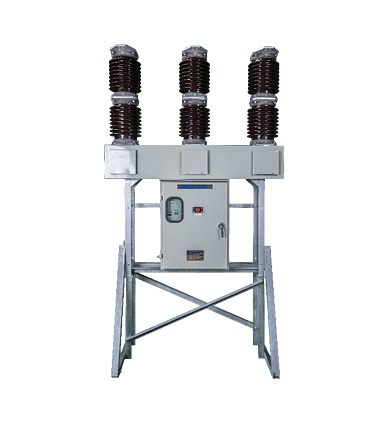
Single phase vs three phase transformer is a common comparison for buyers planning power distribution systems, industrial facilities, commercial buildings, substations and utility networks. A single-phase transformer transfers power through one alternating-current phase, while a three-phase transformer transfers power through three phases that are typically separated by 120 electrical degrees.
For buyers, the right choice depends on load type, power demand, voltage level, installation environment, safety requirements, efficiency, maintenance and future expansion. Tenrony provides Oil-Immersed Transformer, Dry-Type Transformer and three-phase distribution transformer solutions for industrial, commercial and power distribution projects.
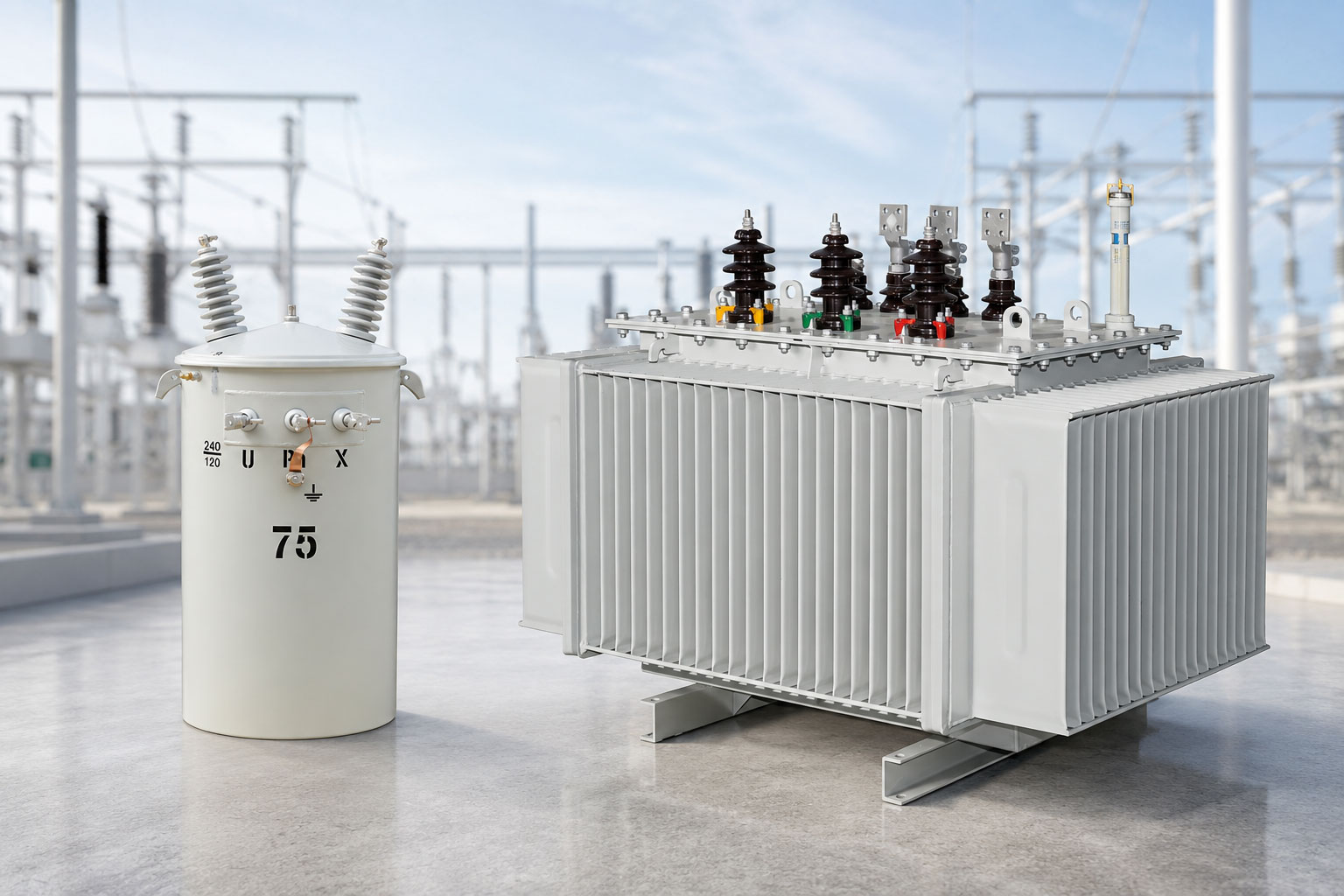
What Is a Single Phase Transformer?
A single phase transformer is a transformer designed to transfer electrical energy using one AC phase, usually for lower-capacity loads, residential distribution, small commercial systems and single-phase equipment. It is commonly used where the power demand is moderate and the connected loads do not require three-phase supply.
Single-phase transformers are widely used in residential neighborhoods, rural distribution networks, lighting circuits, small workshops and individual load points. They are often easier to install and can be cost-effective for smaller loads. IEEE C57.12.38 covers certain single-phase, 60Hz, liquid-filled, self-cooled, pad-mounted distribution transformers rated 167kVA and smaller, with high voltage up to 34,500 GrdY/19,920V and low voltage of 240/120V. IEEE single-phase pad-mounted distribution transformer standard
For buyers, this means single-phase transformers are typically practical when the load is smaller, simpler and not dominated by motors, pumps or large industrial equipment.
What Is a Three Phase Transformer?
A three phase transformer is a transformer designed to transfer electrical energy through three AC phases, making it suitable for higher-capacity power distribution and balanced industrial loads. It is commonly used in factories, substations, commercial buildings, renewable energy systems and distribution networks.
Three-phase transformers are preferred for large motors, HVAC systems, production lines, mining operations, data centers and utility distribution because they deliver smoother power transfer and better load capacity for industrial equipment. The IEC 60076-1 power transformers standard applies to both three-phase and single-phase power transformers, including voltage-regulating distribution transformers.
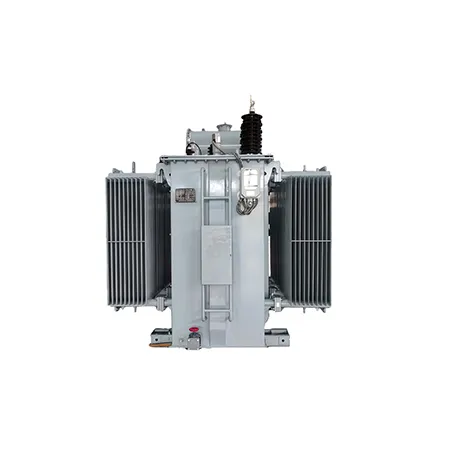
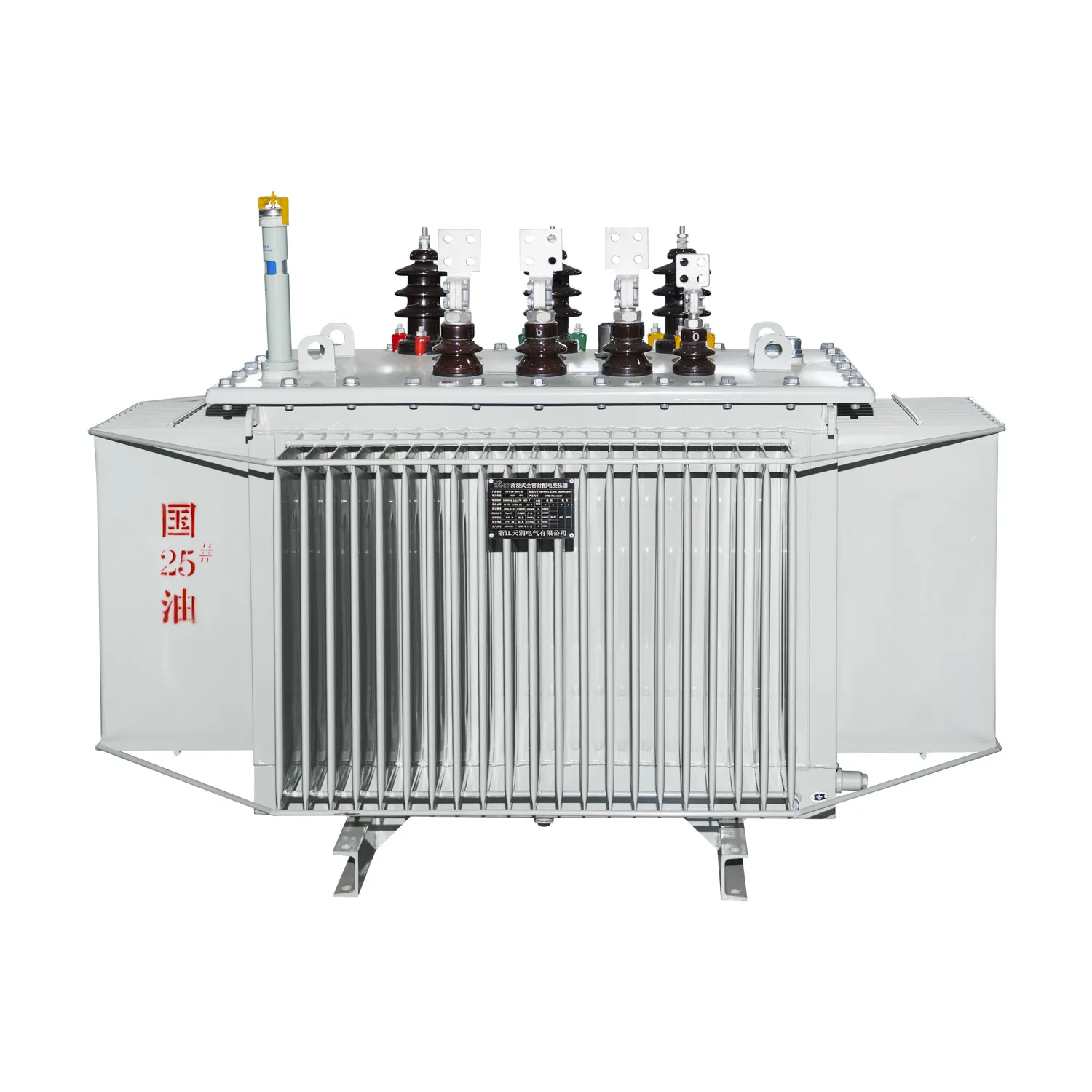
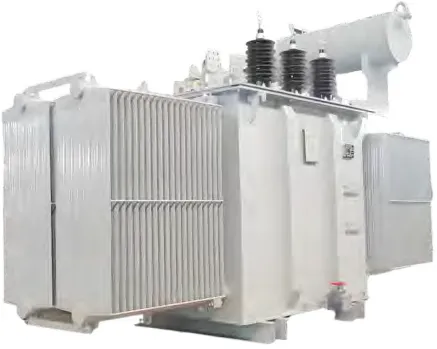
Tenrony’s Three Phase Oil Immersed Distribution Transformer is designed for power distribution applications and is optimized to reduce no-load losses and operating noise. Tenrony states that its three-phase oil-immersed distribution transformer reduces average no-load loss by 37% and noise by 20% compared with the referenced national standard JB/T10088-2004.
Single Phase vs Three Phase Transformer: Comparison Table
Single phase and three phase transformers should be compared by power capacity, load type, cost, efficiency, voltage balance and application environment. The table below gives a practical buyer comparison.
| Comparison Item | Single Phase Transformer | Three Phase Transformer |
|---|
| Power Supply | One AC phase | Three AC phases |
| Typical Load | Homes, lighting, small shops, small equipment | Factories, motors, substations, commercial buildings |
| Capacity Range | Usually lower capacity | Better for medium and high capacity |
| Power Delivery | Pulsating power delivery | Smoother and more balanced power transfer |
| Equipment Fit | Single-phase loads | Three-phase motors and industrial loads |
| Installation Cost | Lower for small systems | More cost-effective for large systems |
| Efficiency in Large Loads | Less suitable for heavy loads | Better for high-power distribution |
| Maintenance | Simple for small networks | Requires phase balance and system coordination |
| Best Buyer Fit | Residential or small commercial projects | Industrial, utility and large commercial projects |
The U.S. Department of Energy defines distribution transformers by voltage and capacity ranges, including input voltage of 34.5kV or less, output voltage of 600V or less, and capacity ranges up to 2500kVA for both liquid-immersed and dry-type units under its referenced distribution transformer definition. DOE distribution transformers
How to Choose Between Single Phase and Three Phase Transformers
Choosing between a single phase and three phase transformer means matching the transformer to the load profile, voltage system, capacity requirement, installation site and future expansion plan. The correct transformer should support safe, efficient and stable operation throughout the project lifecycle.
Choose a single-phase transformer when the project has smaller loads, limited equipment demand, residential-style power use or isolated single-phase distribution points. It is often enough for lighting, household supply, rural distribution and low-capacity commercial applications.
Choose a three-phase transformer when the project involves motors, pumps, compressors, HVAC systems, production equipment, elevators, large buildings or industrial facilities. Three-phase supply is usually more stable for heavy loads and provides better support for balanced industrial power distribution.
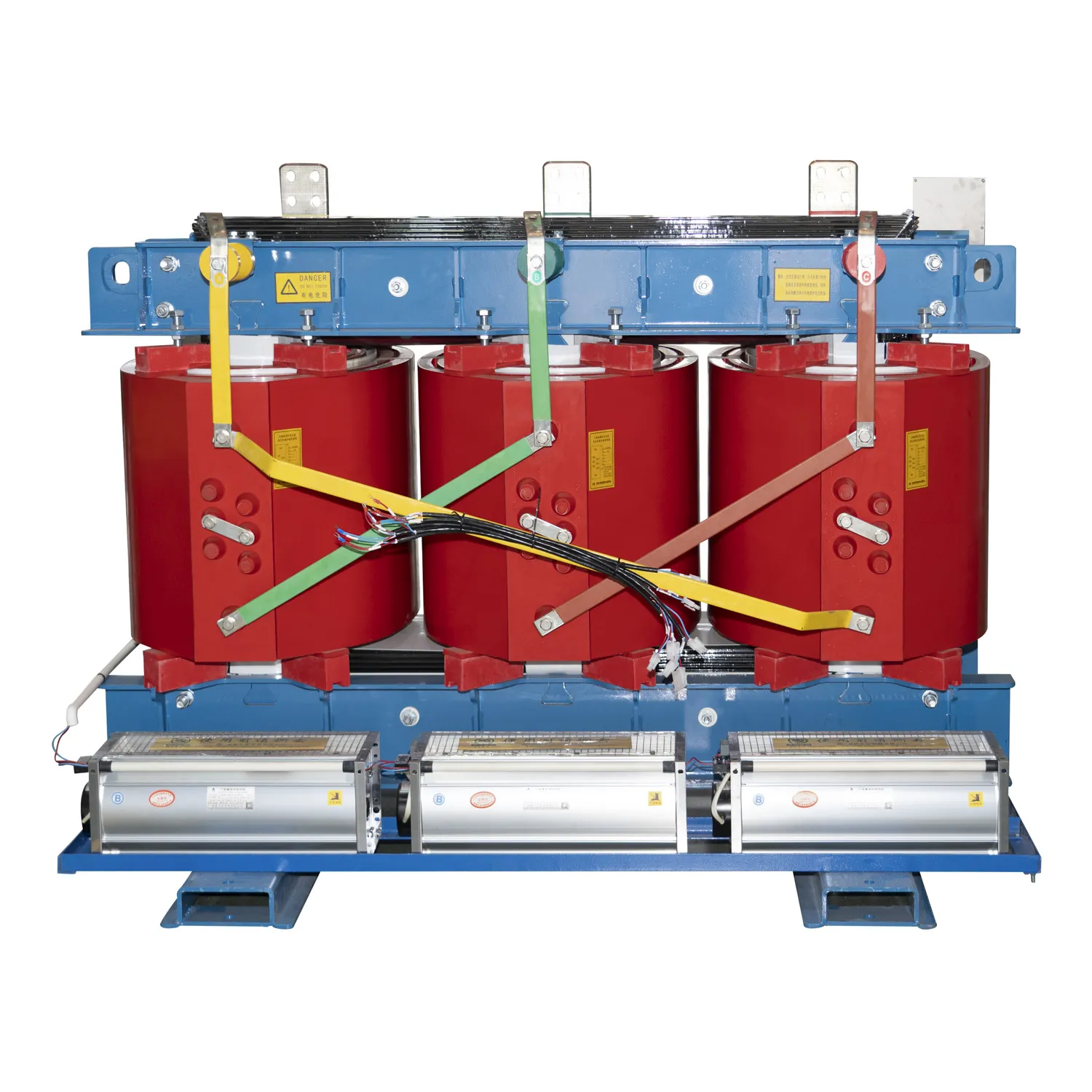
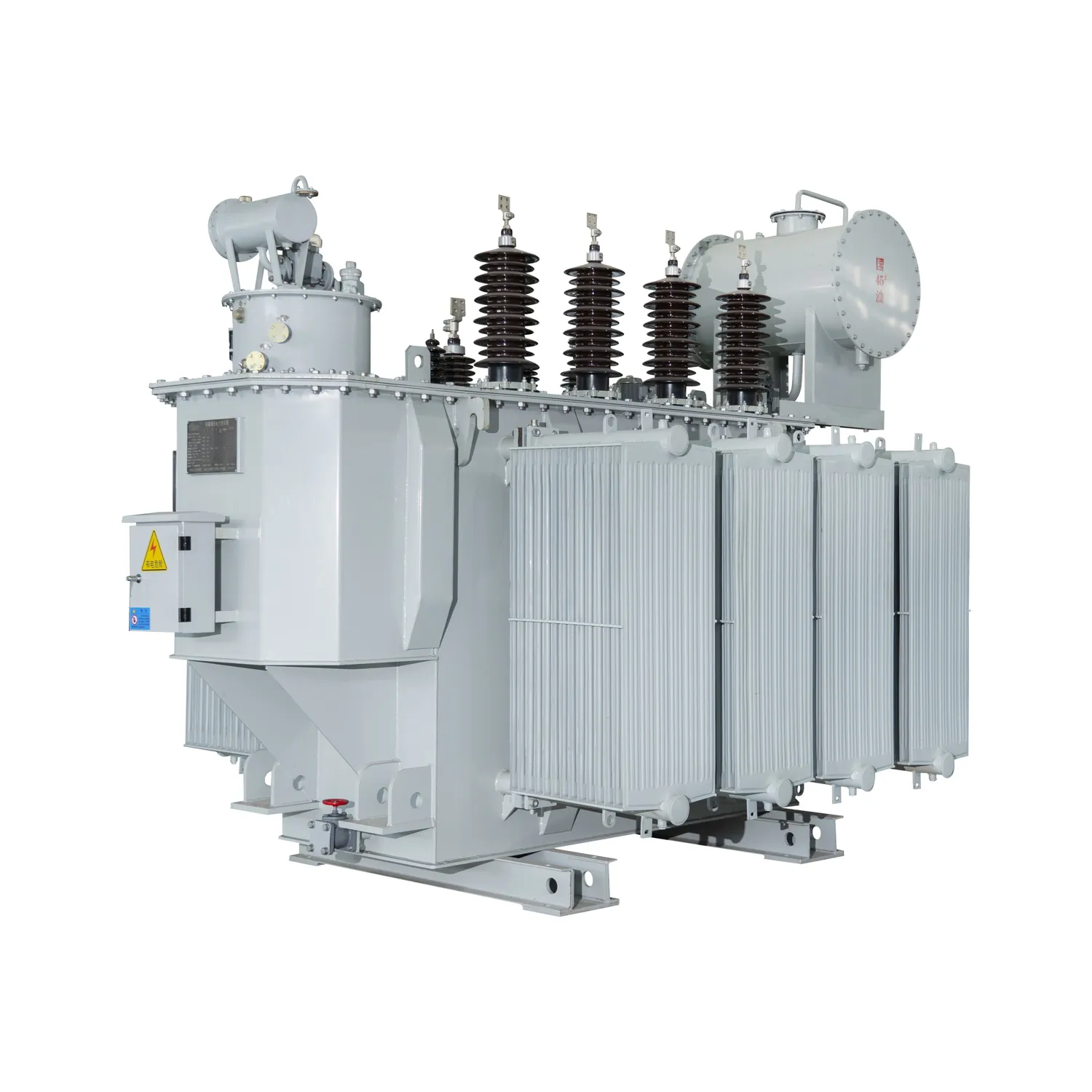
Transformer type also matters. Oil-immersed transformers are often preferred for outdoor substations, utility networks, renewable energy and high-capacity power distribution. Dry-type transformers are commonly used indoors, especially in hospitals, schools, malls, high-rise buildings and fire-sensitive locations. Tenrony’s dry-type transformer page notes features such as epoxy resin insulation, flame retardancy, fire resistance and maintenance-free operation for suitable indoor applications.
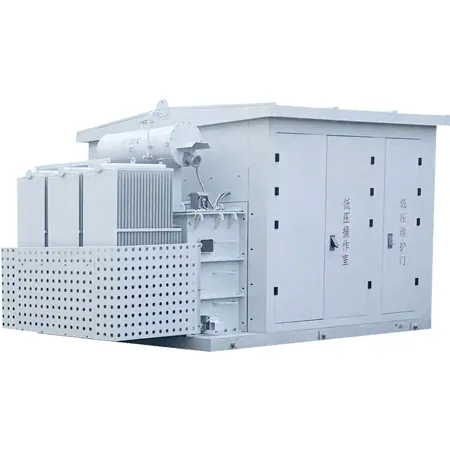
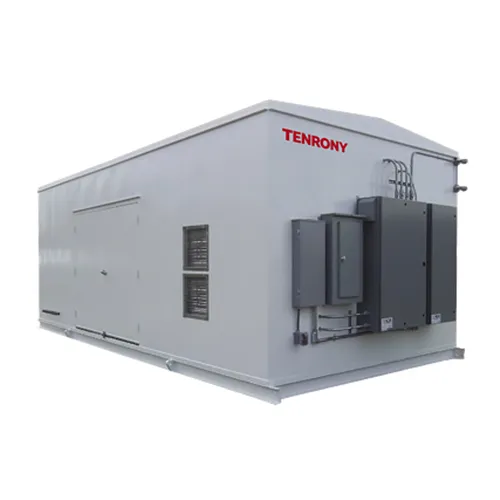
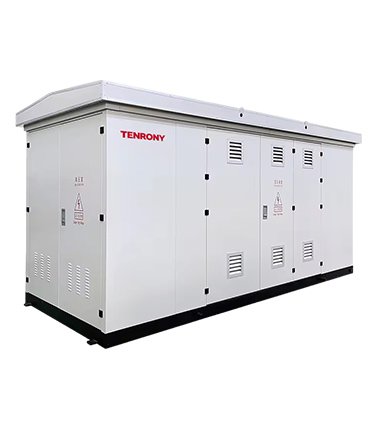
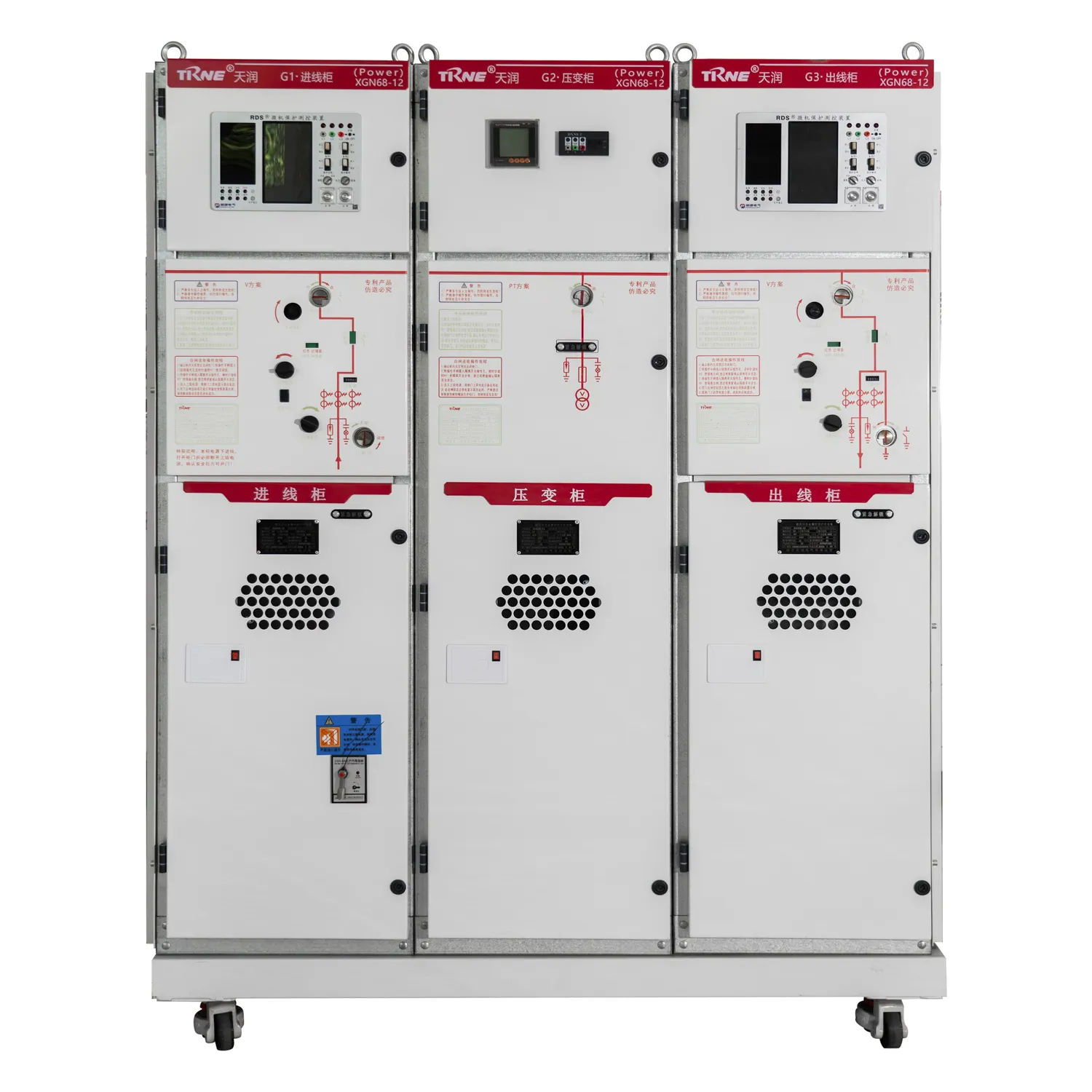
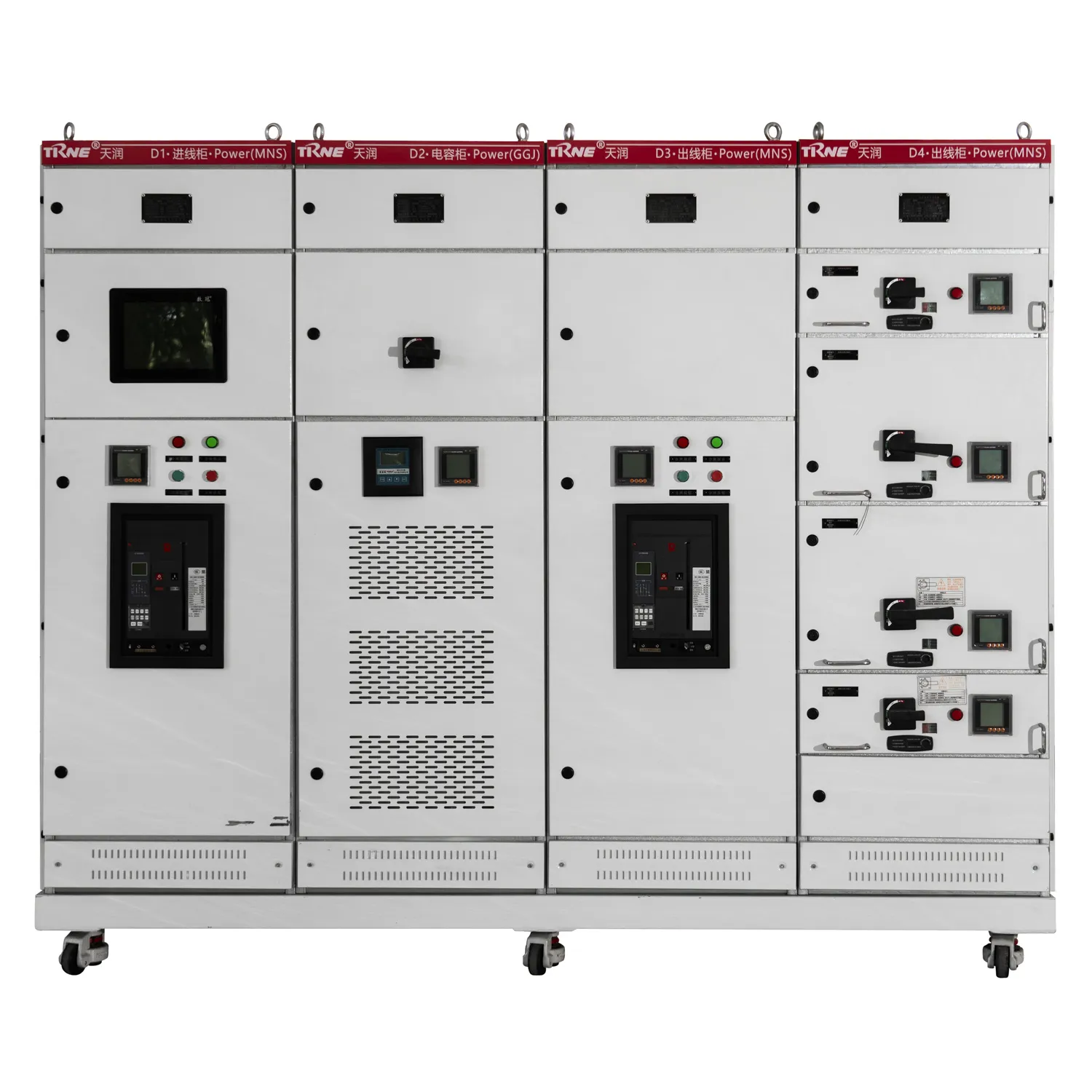
For buyers planning complete systems, Tenrony’s Electrical Power Distribution Equipment portfolio includes power transformers, oil-immersed transformers, dry-type transformers, substations, distribution stations and high- and low-voltage switchgear, helping match transformers with the surrounding power system.
Conclusion
The main difference between single phase and three phase transformers is how they transfer power. A single-phase transformer is suitable for smaller and simpler loads, while a three-phase transformer is better for industrial, commercial and utility systems that need higher capacity, balanced power and stable operation.
For buyers, the best decision should be based on load demand, voltage level, installation environment, safety requirements and future expansion. Tenrony supports transformer selection with oil-immersed transformers, dry-type transformers, three-phase distribution transformers and complete power distribution equipment for factories, substations, commercial buildings and utility projects.
FAQ
1. What is the main difference between single phase and three phase transformer?
A single phase transformer uses one AC phase, while a three phase transformer uses three AC phases. Three-phase transformers are usually better for larger and more balanced power loads.
2. Which transformer is better for industrial use?
A three phase transformer is usually better for industrial use because factories often use motors, pumps, compressors, production lines and other equipment that require three-phase power.
3. Is a single phase transformer cheaper?
For small loads, a single phase transformer is usually cheaper and simpler. For large loads, a three phase transformer can be more cost-effective because it handles higher power more efficiently.
4. Can a three phase transformer supply single phase loads?
Yes, a three phase transformer system can supply single-phase loads if properly designed, but phase balance, neutral loading and distribution layout must be considered.
5. Should I choose oil-immersed or dry-type transformer?
Choose oil-immersed transformers for outdoor, utility and higher-capacity applications. Choose dry-type transformers for indoor buildings, fire-sensitive areas and locations requiring oil-free operation.
6. Why choose Tenrony for transformer projects?
Tenrony provides oil-immersed transformers, dry-type transformers, three-phase distribution transformers, substations and switchgear solutions, helping buyers match transformer products to real power distribution requirements.
 English
 русский