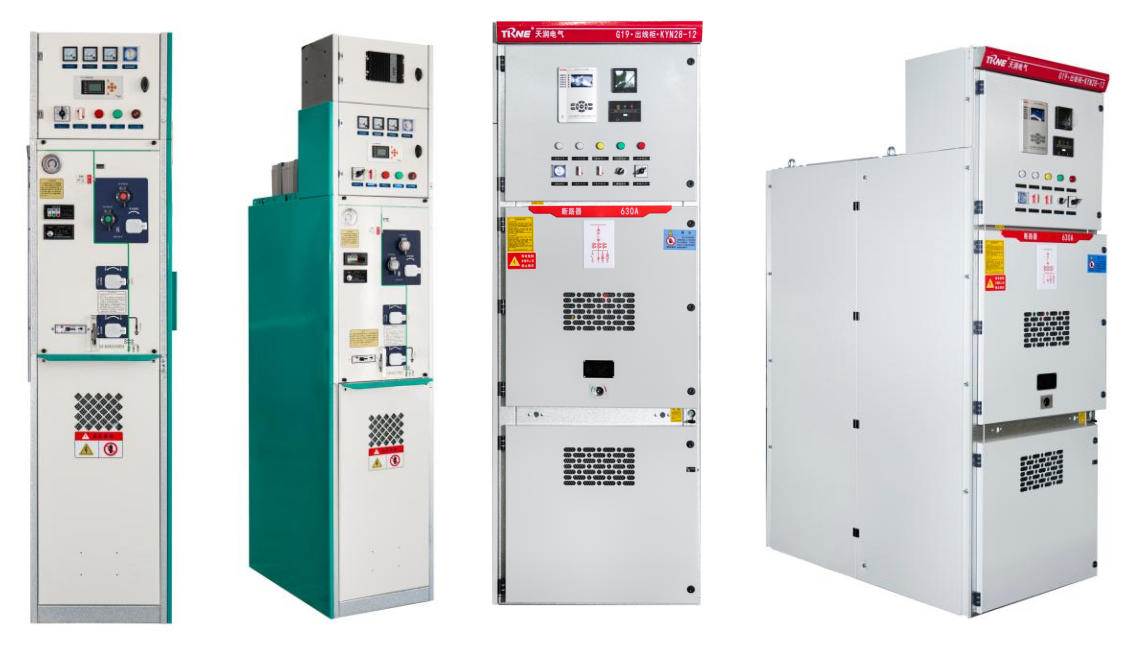
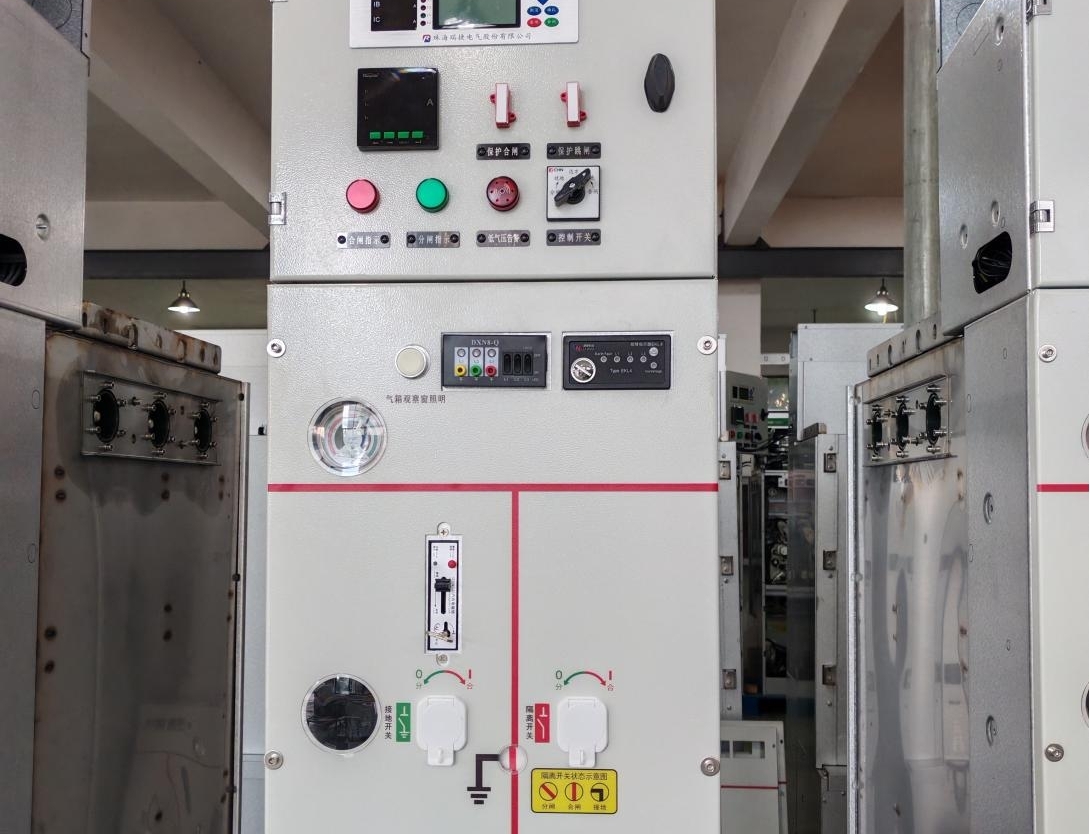
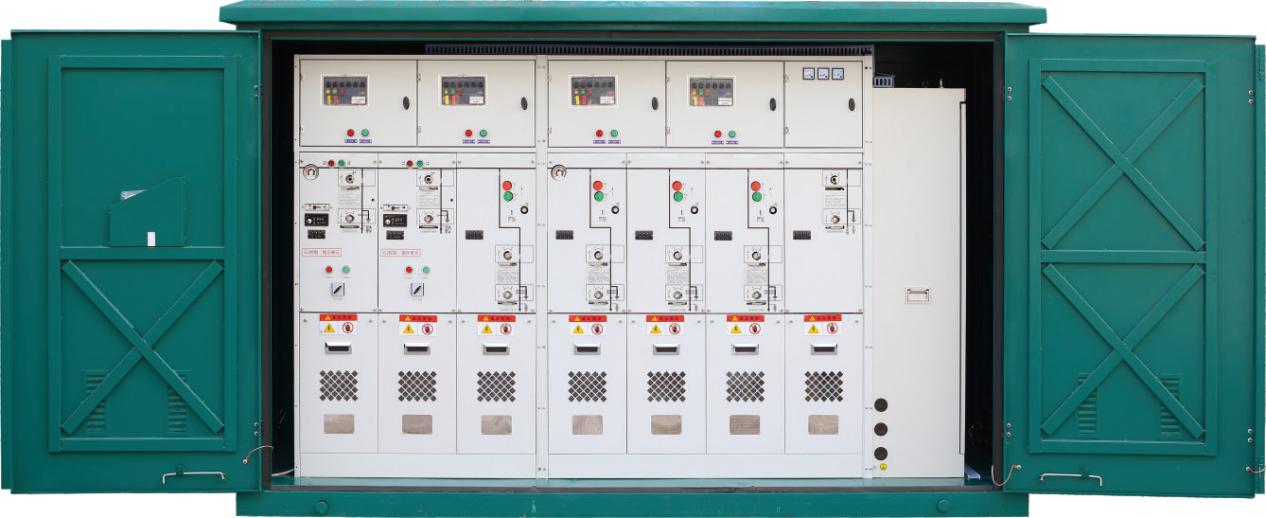
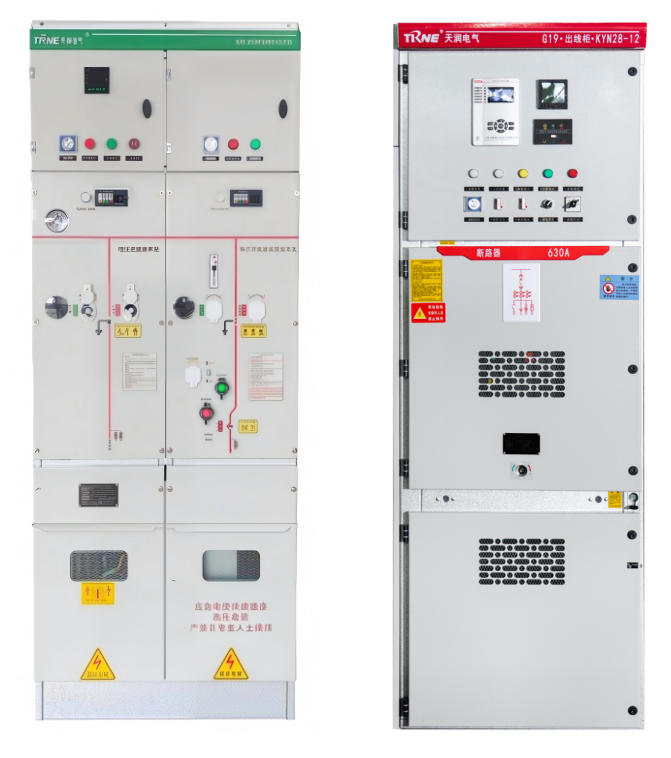
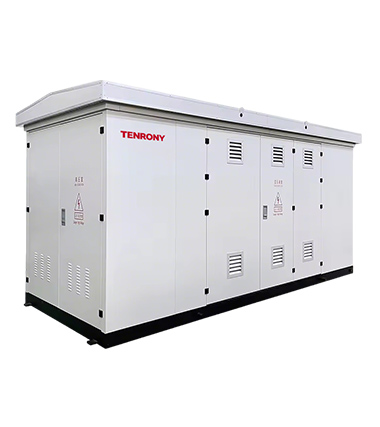
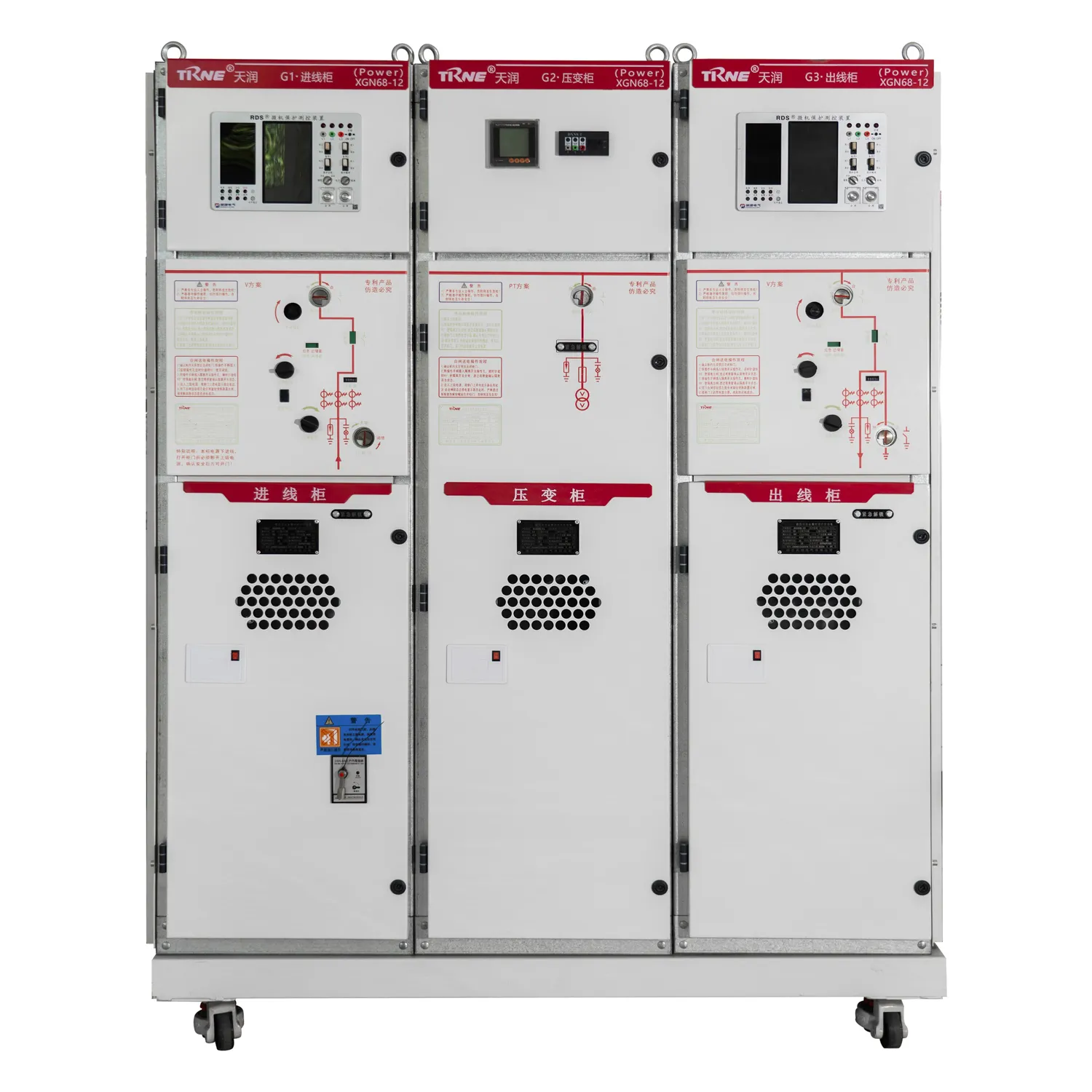
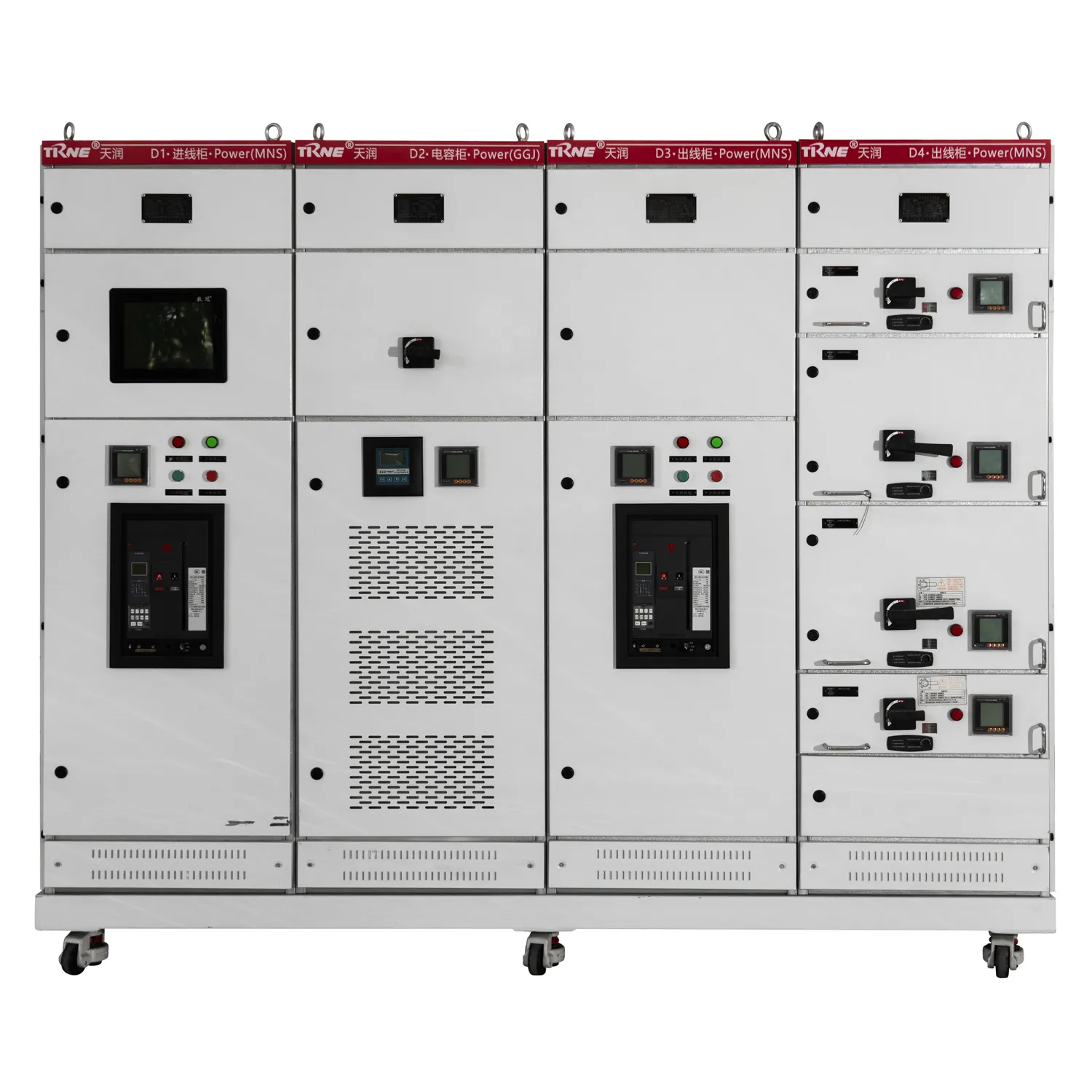
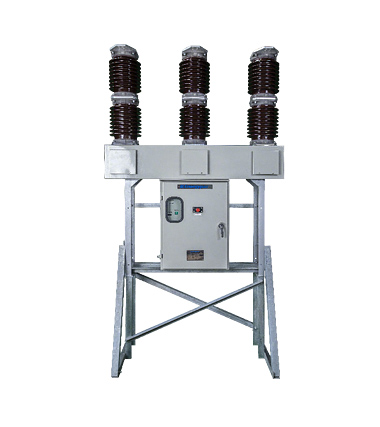
The SF6 ring main unit (gas-filled cabinet): Key live components such as circuit breakers, disconnect switches, and grounding switches are fully enclosed within a stainless steel welded gas chamber filled with SF6 insulating gas, making it a fully sealed, fully insulated, maintenance-free compact cabinet.
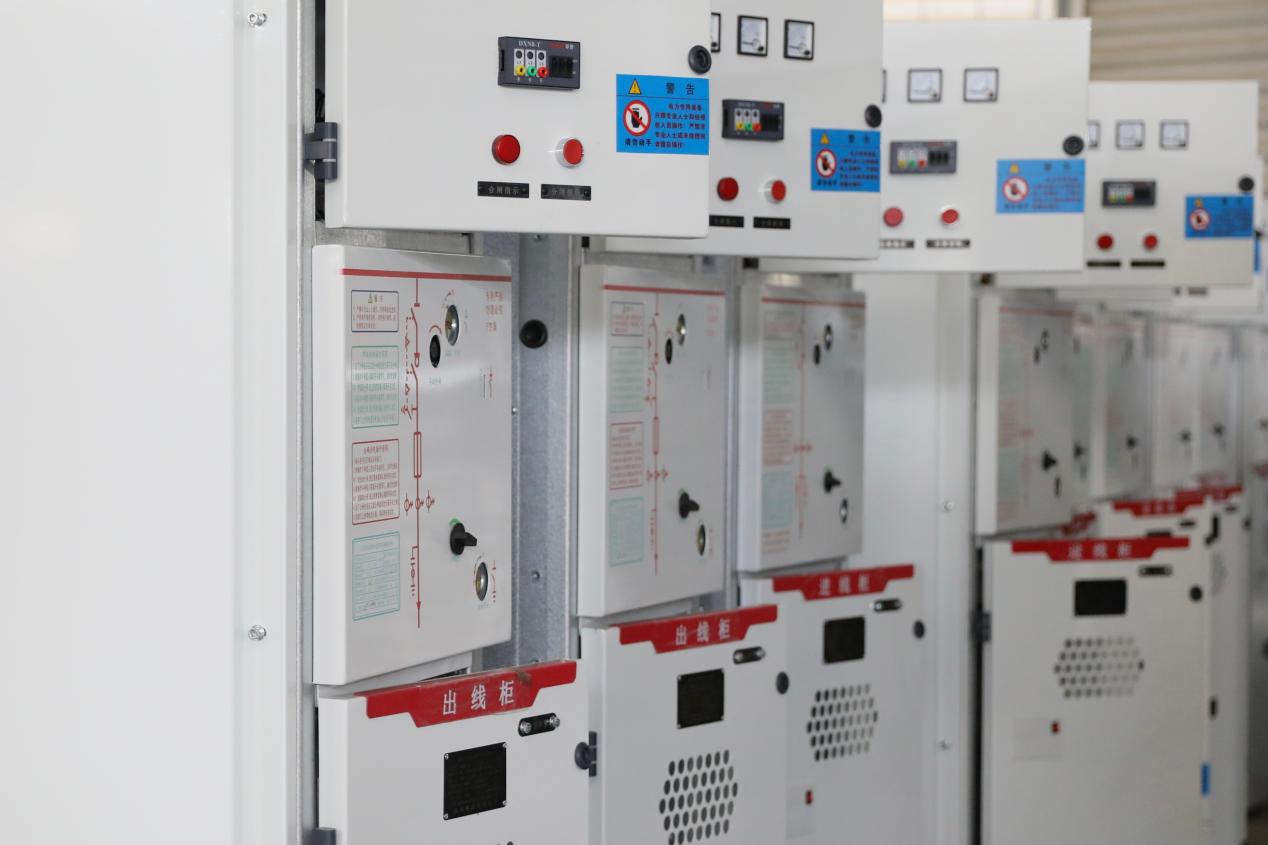
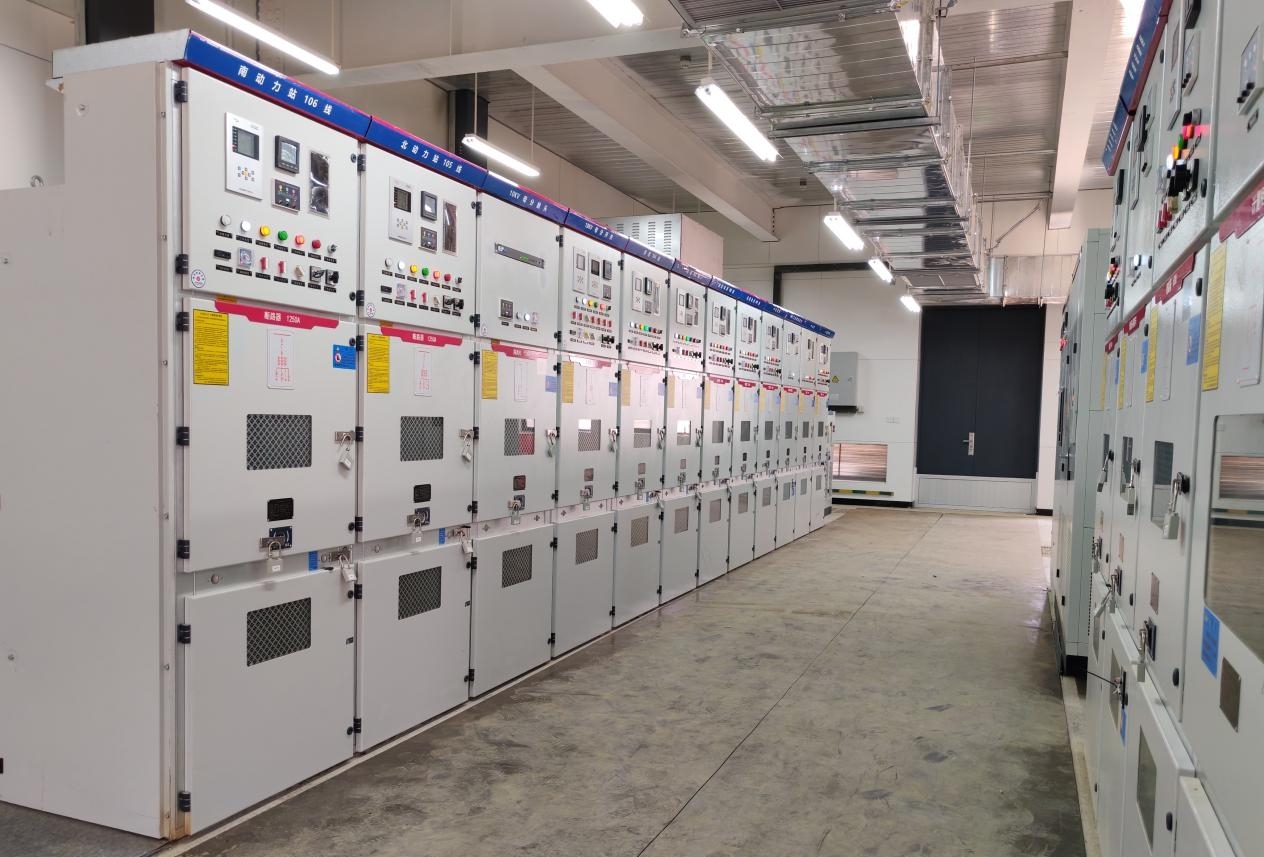
Standard air-insulated switchgear (e.g., XGN, KYN): All live components are exposed within the cabinet's enclosed cavity, using air as the insulating medium; the housing serves only a protective function, and the open interior allows flexible wiring modifications.

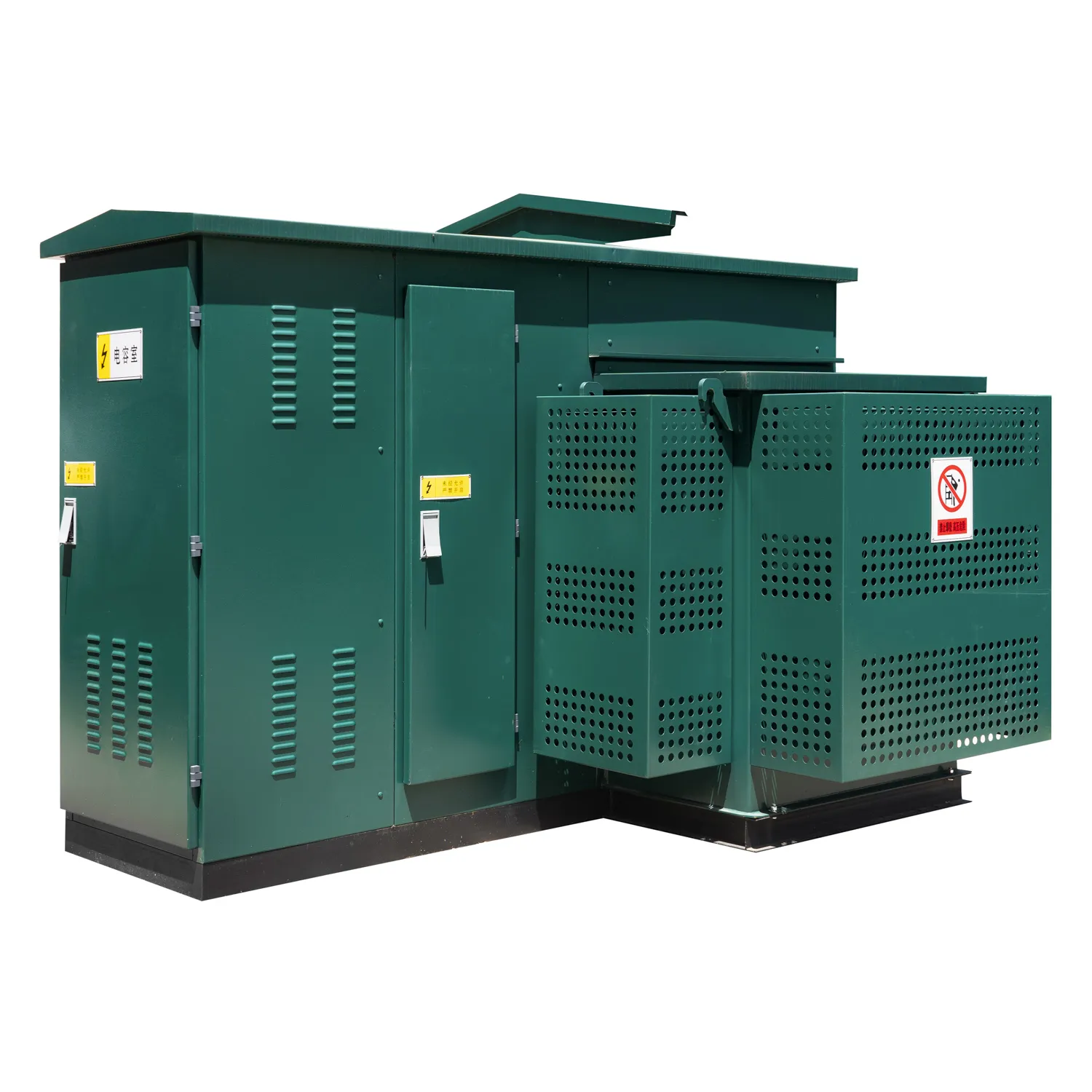
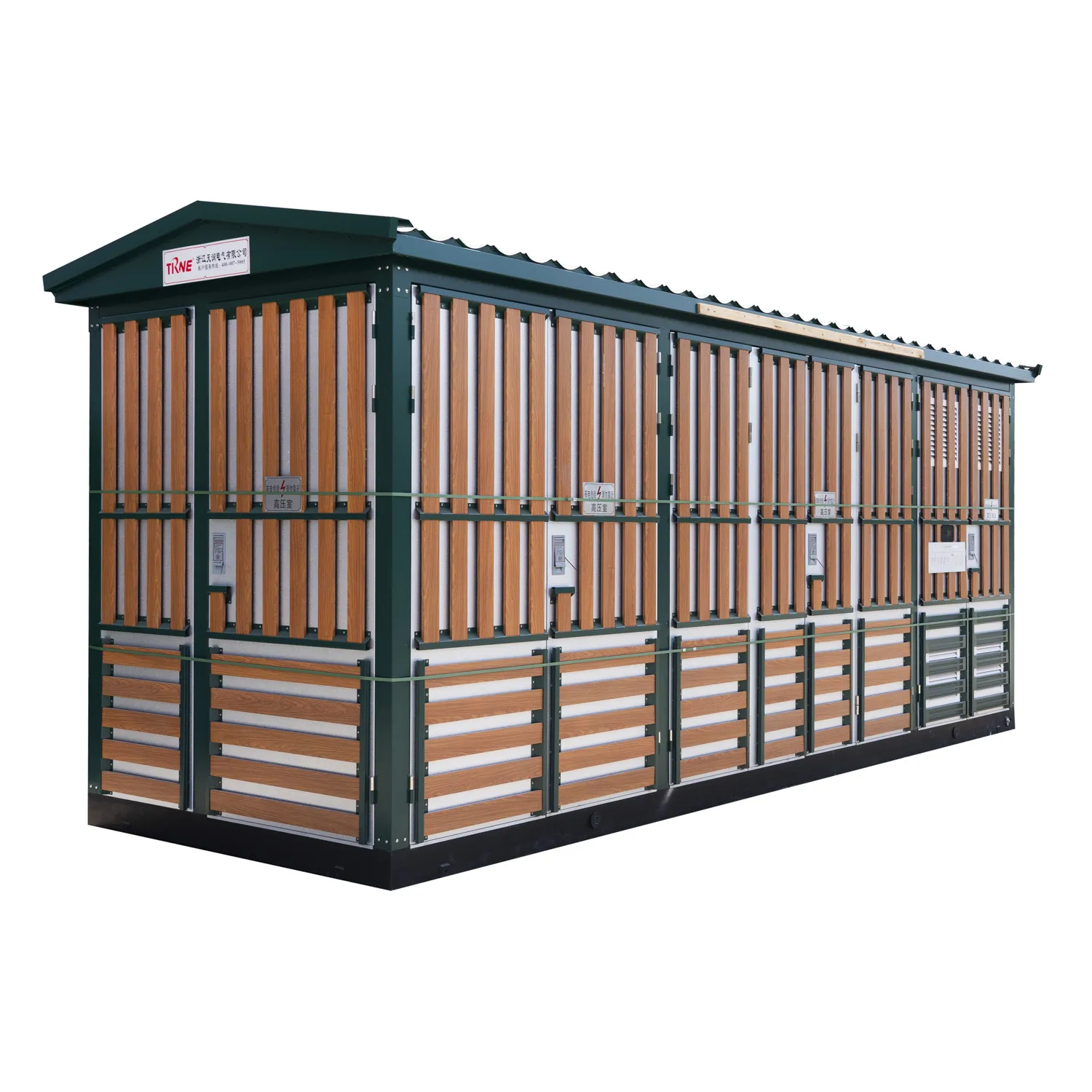
1. SF6 ring main unit: Gas-insulated with high insulation strength, compact size, and small footprint; highly resistant to moisture, dust, and condensation, making it suitable for outdoor substations and harsh humid/dusty environments.

2. Conventional switchgear: Air-insulated type with relatively large dimensions, highly susceptible to humidity, dust, and condensation; primarily used in indoor distribution rooms.

The SF6 gas chamber is welded and sealed, typically requiring no maintenance with the cover opened throughout its service life after shipment, as opening it would compromise the gas tightness.

The doors of standard switchgear cabinets can be opened frequently, allowing easy access for maintenance of internal components, installation of accessories, and rewiring modifications.

Principle of arc protection: The system utilizes an arc detection probe to capture the intense light from internal short-circuit arcs, and triggers rapid tripping and arc extinction based on current thresholds.
1. All live components of the SF6 ring main unit are enclosed within a sealed welded gas chamber. Installation of arc probes through openings would compromise the weld integrity and housing seal of the gas chamber, leading to gradual SF6 leakage. Insufficient gas levels may subsequently trigger significant hazards such as insulation degradation and internal breakdown explosions.
2. The factory-produced gas chamber features a sealed, standardized structure with no pre-installed probe mounting holes. Any subsequent drilling modifications violate type test specifications and constitute non-compliant alterations, rendering the product ineligible for acceptance inspection.
3. The probe cannot be installed inside the gas chamber, nor can it detect internal arcs from the exterior; consequently, the entire arc protection system cannot be implemented. In contrast, conventional switchgear features an open interior space, allowing direct drilling of holes in busbar rooms, circuit breaker rooms, or cable rooms for securing arc probes and installing signal cables, making installation straightforward and compliant with regulations.

1. The system allows comprehensive arc protection configuration, enabling millisecond-level tripping of internal short-circuit arcs in busbars and compartments, significantly reducing cabinet burnout and explosion risks while enhancing safety.
2. Easy to modify or add/procedure probes during later stages, with simple debugging and maintenance;
3. Meets the mandatory arc protection requirements specified in most municipal, real estate, and key power distribution project drawings.
1. The cabinet has a larger volume, resulting in limited internal space within the transformer substation.
2. Air insulation has poor environmental resistance; in humid or dusty environments, internal creepage and condensation faults are prone to occur.
3. The standard cost is relatively high.
1. The fully sealed structure inherently exhibits superior arc-tolerance capability, while SF6 gas effectively extinguishes arcs and inhibits their propagation, resulting in a significantly slower spread rate of internal faults compared to air-insulated cabinets.
2. Compact in size, suitable for space-efficient substation layouts with excellent outdoor weather resistance.
3. Exhibits excellent sealing performance, low failure rate, and minimal maintenance requirements.
4. The overall cost of the same circuit is usually lower.
1. The arc flash rapid protection cannot be configured; internal faults can only be addressed by delayed fault clearance via incoming line overcurrent or instantaneous trip protection, resulting in prolonged fault durations. In extreme cases, the gas chamber may face pressure relief explosion risks.