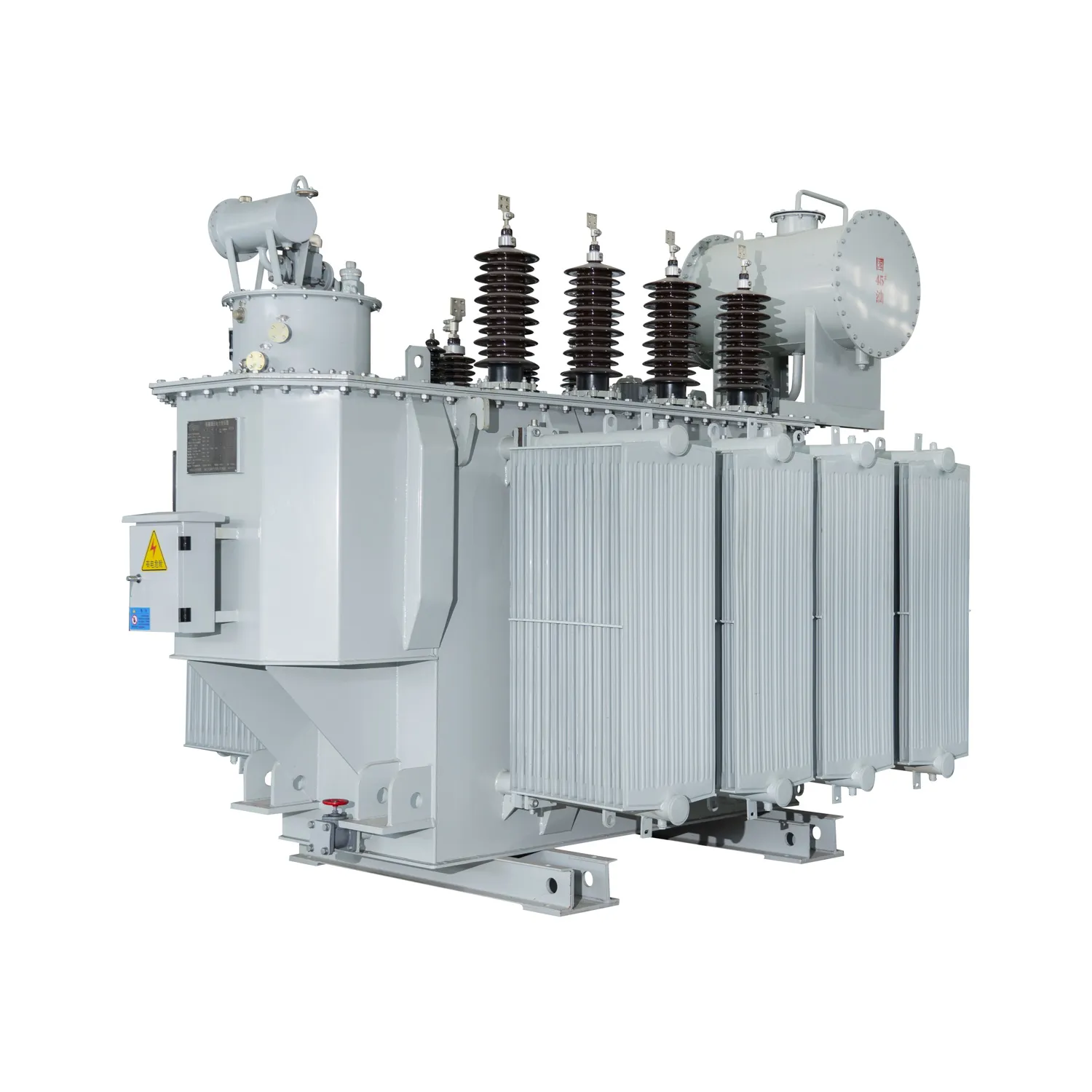
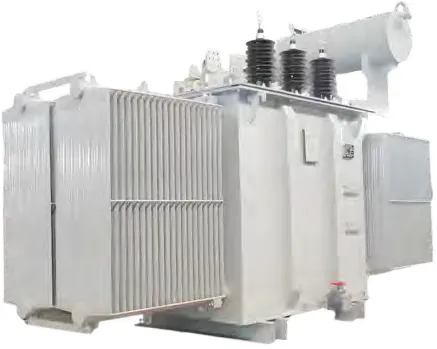
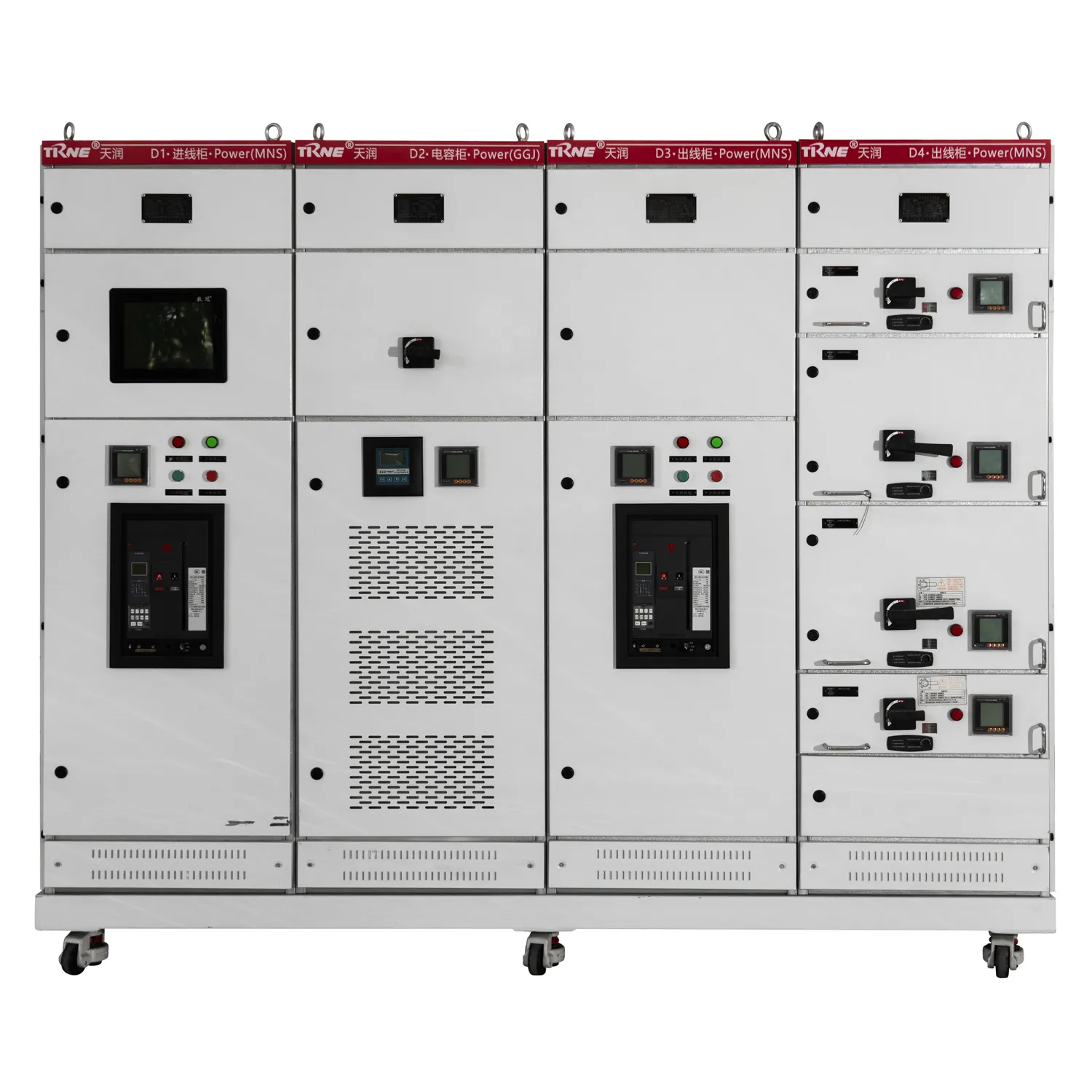
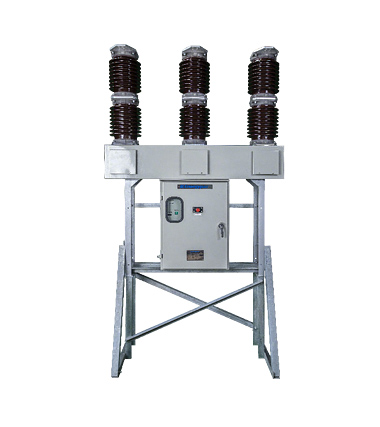
Arc furnace transformer design and protection focus on delivering very high current, frequent voltage regulation and strong short-circuit withstand capability for electric arc furnace operation. Unlike ordinary distribution transformers, an arc furnace transformer must handle rapidly changing loads, repeated switching, high thermal stress, harmonics and severe mechanical forces.
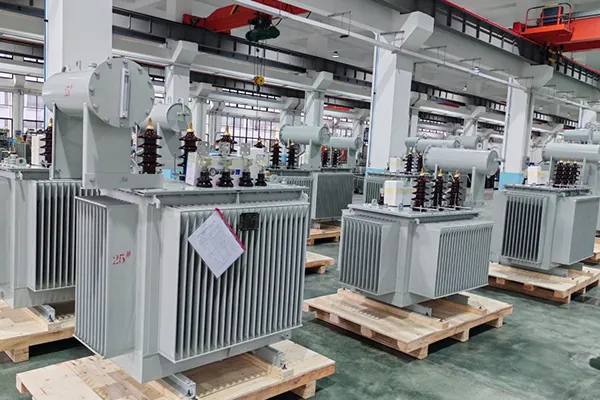
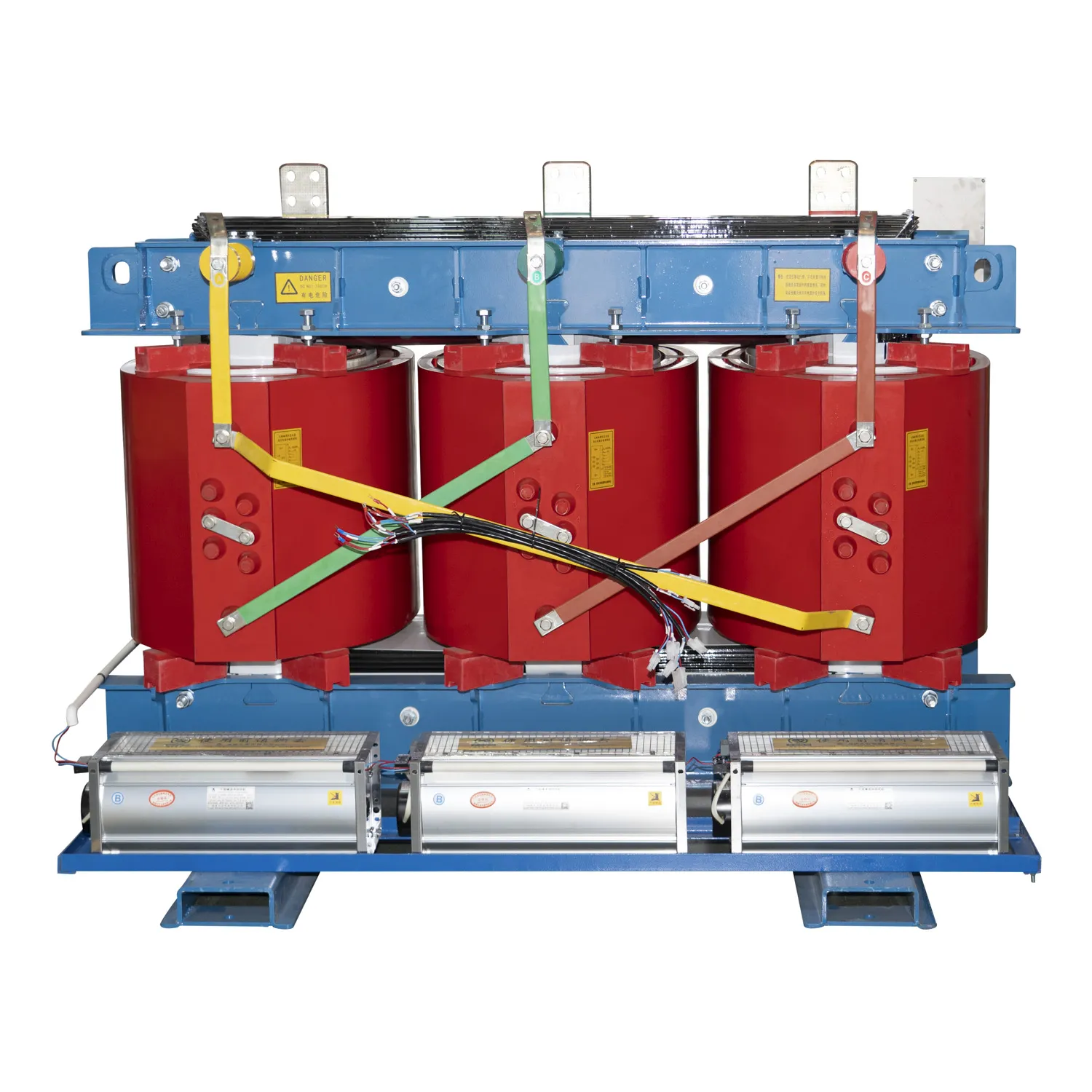
For steelmaking, foundry and metallurgical projects, the transformer should be specified as part of the full furnace power system, not as a standalone transformer. Tenrony provides Special Transformer, Power Transformer and Oil-Immersed Transformer solutions for industrial power distribution and customized transformer applications.
What Is an Arc Furnace Transformer?
An arc furnace transformer is a special power transformer designed to supply low-voltage, high-current power to an electric arc furnace. Its main job is to convert medium- or high-voltage grid power into the adjustable secondary voltage needed to melt scrap steel or other metal charge.
Arc furnace duty is extremely demanding because the furnace arc behaves like a fluctuating electrical load. Current can change rapidly during melting, refining and electrode movement. This is why the transformer normally requires strong windings, robust insulation, high short-circuit strength, effective cooling and reliable tap-changing design.
The transformer category is important enough to have dedicated technical guidance: IEEE C57.17 standard requirements for arc furnace transformers cover requirements specifically for this type of transformer.
Key Design Requirements for Arc Furnace Transformers
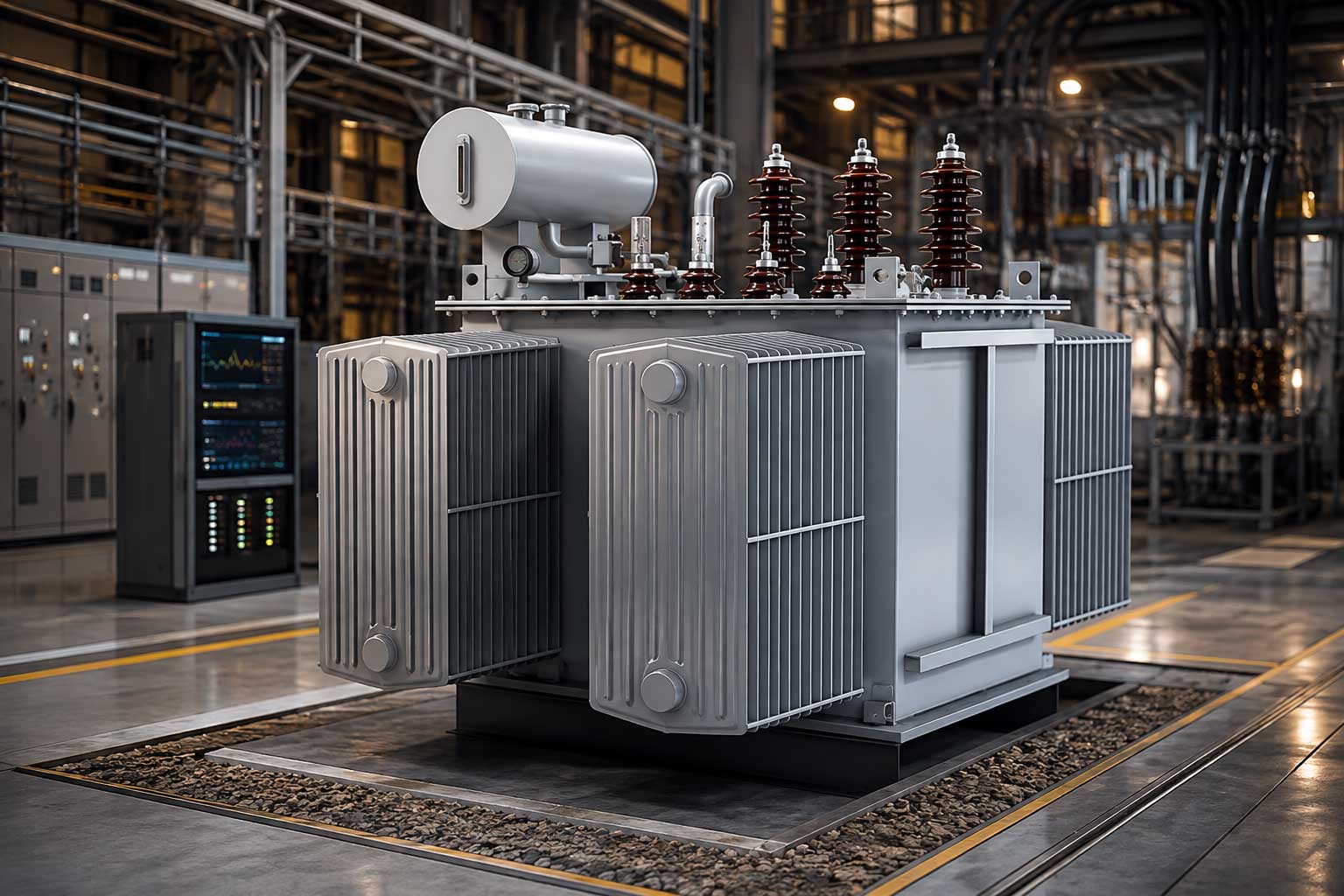
Arc furnace transformer design requires higher mechanical, thermal and electrical robustness than standard distribution transformer design. The transformer must survive normal furnace operation where high current and short-circuit-like stress can occur repeatedly.
The most important design points include secondary voltage range, rated power, overload duty, tap-changing steps, impedance, cooling method, winding structure and short-circuit withstand strength. For large furnaces, secondary current may reach tens of kiloamperes, so busbar connection, terminal arrangement and cooling become critical.
| Design Item | Why It Matters | Buyer Focus |
|---|
| Rated Capacity | Determines melting power and furnace productivity | Match furnace size and production target |
| Secondary Voltage | Controls arc length and melting stage | Require suitable tap range |
| Secondary Current | Supports high-power melting | Confirm busbar and terminal design |
| Impedance | Affects arc stability and fault current | Balance stability and power delivery |
| OLTC / Tap Changer | Adjusts furnace voltage during operation | Check switching duty and maintenance access |
| Cooling System | Controls oil and winding temperature | ONAN, ONAF or forced cooling as needed |
| Short-Circuit Strength | Resists mechanical stress from high current | Verify calculation and test requirements |
| Insulation System | Maintains reliability under heat and vibration | Check temperature rise and dielectric tests |
Short-circuit strength is especially important. IEC 60076-5 short-circuit withstand requirements describe calculation procedures used to demonstrate the thermal and dynamic ability of power transformers to withstand overcurrents, which is highly relevant for furnace transformer design.
Protection System for Arc Furnace Transformers
Arc furnace transformer protection is the coordinated use of relays, sensors, alarms and mechanical safeguards to detect internal faults, abnormal heating, pressure changes, oil problems and external electrical faults. Good protection must distinguish between normal furnace operating stress and dangerous transformer failure.
Standard protection may include differential protection, overcurrent protection, restricted earth fault protection, Buchholz relay, pressure relief device, oil temperature alarm, winding temperature alarm, oil level monitoring, gas accumulation monitoring and surge arresters. For furnace duty, protection settings should be carefully coordinated with tap position, inrush current, harmonics and short-duration furnace load swings.
IEEE C37.91 guide for protecting power transformers discusses practical applications and economic considerations for transformer protection, making it a useful reference when designing relay philosophy for arc furnace transformer systems.
Cooling, Monitoring and Maintenance Considerations
Arc furnace transformer cooling and monitoring are essential because furnace duty creates repeated thermal cycling and high loss operation. The transformer should be designed so heat is removed effectively under both normal melting duty and overload conditions.
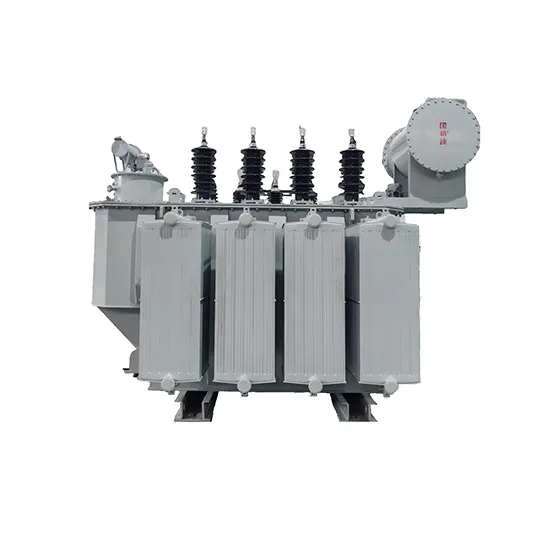
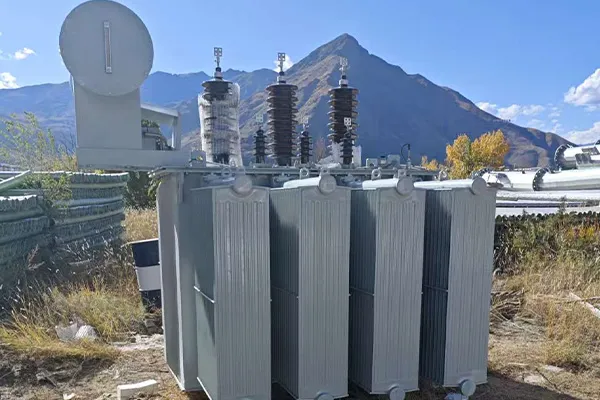
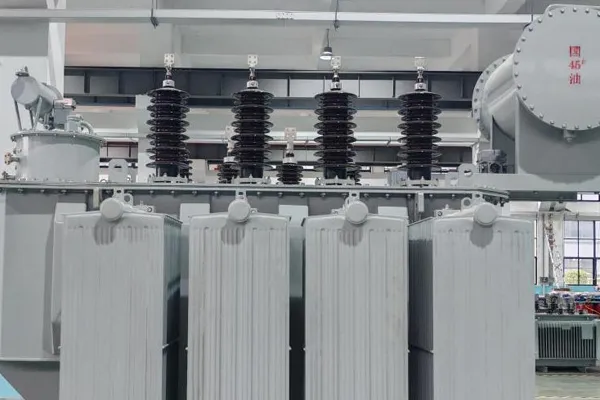
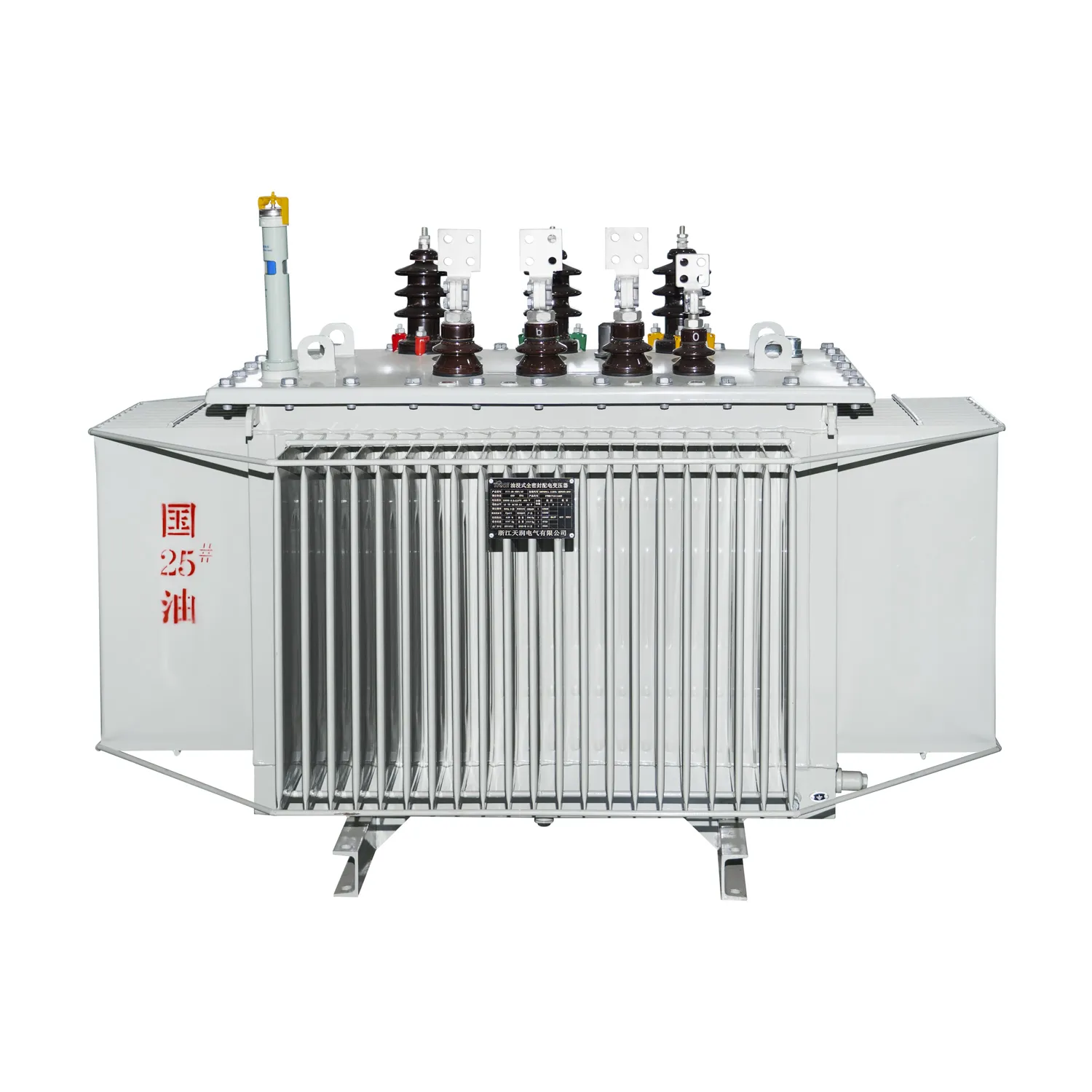
Oil-immersed arc furnace transformers often use radiators, fans, pumps or forced-oil cooling depending on capacity and duty cycle. Temperature monitoring should include top-oil temperature and winding temperature indicators. For high-duty applications, dissolved gas analysis, oil quality testing, infrared inspection and tap changer maintenance should be part of the routine maintenance plan.
For mineral-oil transformers, IEC 60076-7 loading guide explains how ambient temperature and load conditions affect transformer life. This is relevant because an arc furnace transformer may experience repeated peak loading and thermal cycling during a steelmaking campaign.
Tenrony oil-immersed transformers are designed for safety, stable operation and demanding industrial environments, with options for temperature monitoring, improved heat dissipation and customized transformer structures for power distribution applications.
How to Specify an Arc Furnace Transformer
Specifying an arc furnace transformer means defining the furnace process, electrical duty and protection requirements before asking for a quotation. A reliable specification should include both transformer design data and site operating conditions.
Buyers should prepare furnace capacity, melting process, primary voltage, secondary voltage range, rated power, tap positions, expected operating cycle, short-circuit current, cooling method, ambient temperature, altitude, protection requirements, installation layout, busbar interface and testing requirements.
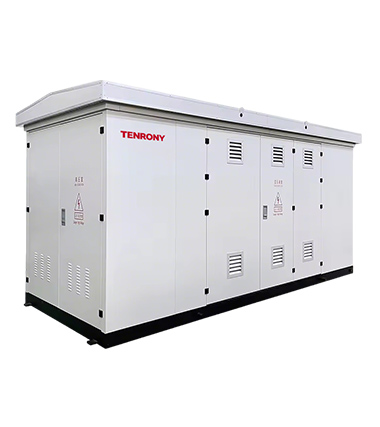
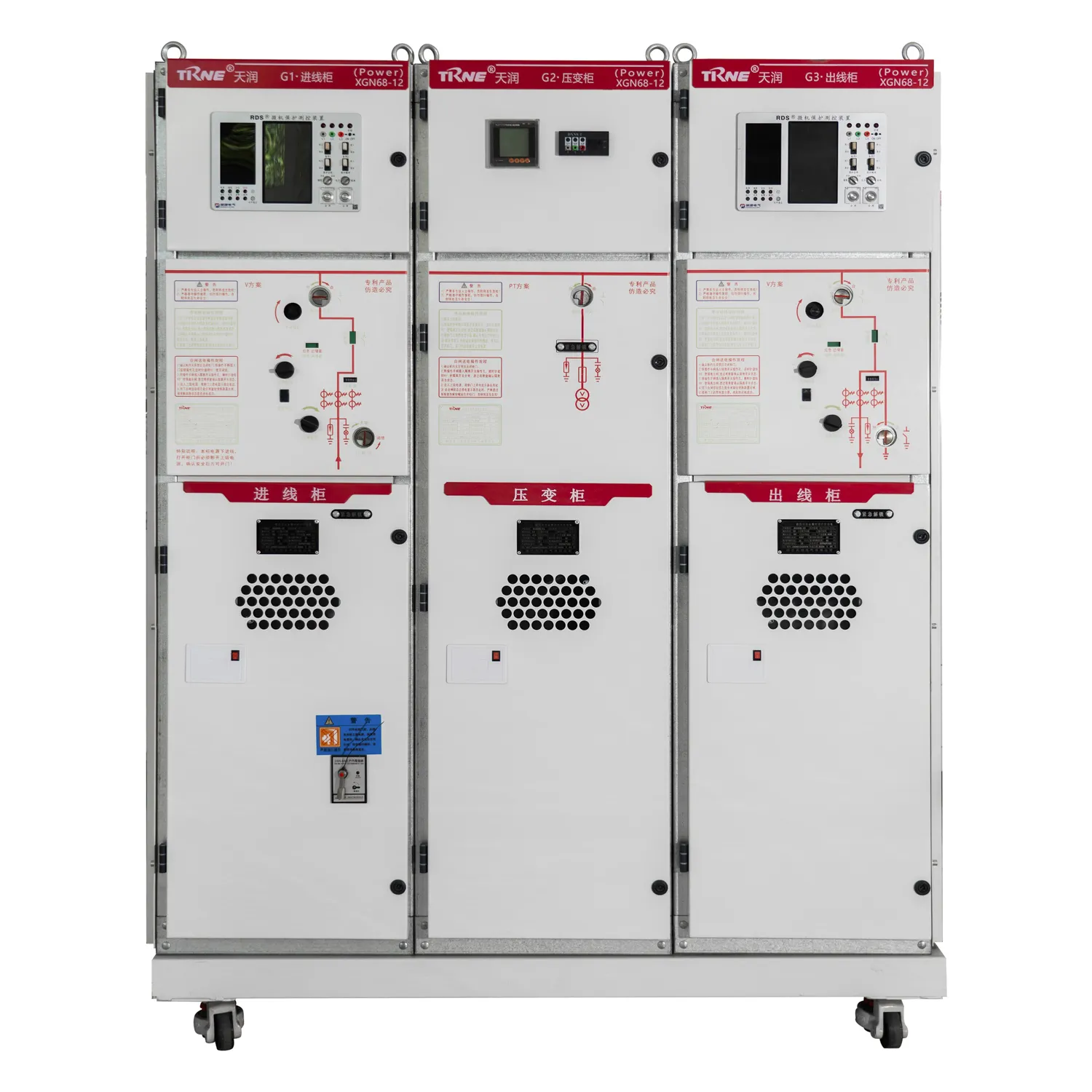
For steel plants and foundries, the transformer supplier should understand severe electrical duty, not only standard transformer manufacturing. Tenrony supports industrial customers with special transformers, oil-immersed transformers, power transformers, switchgear and complete power distribution equipment for heavy-industry projects. Tenrony also provides customized transformer solutions based on project voltage, capacity, load profile and installation requirements.
Conclusion
Arc furnace transformer design and protection require special attention to high current, tap-changing duty, short-circuit withstand capability, cooling performance and fault protection. The transformer must be robust enough to support unstable furnace arcs while still protecting windings, insulation, oil and connected electrical equipment.
For buyers, the safest approach is to specify the furnace duty cycle, voltage range, expected overload conditions, protection philosophy and testing requirements clearly. Tenrony provides special transformer and oil-immersed transformer solutions for industrial power systems where reliability, customization and protection coordination are essential.
FAQ
1. What is an arc furnace transformer?
An arc furnace transformer is a special transformer that supplies adjustable low-voltage, high-current power to an electric arc furnace for metal melting.
2. How is an arc furnace transformer different from a normal transformer?
It is designed for severe fluctuating loads, high current, frequent tap changing, thermal cycling and strong short-circuit mechanical stress.
3. Why does an arc furnace transformer need tap changing?
Tap changing adjusts secondary voltage so the furnace can control arc length, melting power and different process stages.
4. What protection is used for arc furnace transformers?
Common protection includes differential protection, overcurrent protection, earth fault protection, Buchholz relay, pressure relief, oil temperature and winding temperature monitoring.
5. Why is cooling important for furnace transformers?
Cooling is important because arc furnace operation creates high current, high losses and repeated thermal cycling that can shorten insulation life if not controlled.
6. Why choose Tenrony for arc furnace transformer projects?
Tenrony provides special transformers, power transformers, oil-immersed transformers and power distribution equipment for industrial applications, supporting customized design, protection coordination and reliable operation.
The Author — Mr. Cai Dongpo
About Our Chief Engineer
Mr. Cai Dongpo is the Chief Engineer of Tenrony. Since joining the company in 2007, he has devoted his entire career to technical design and engineering, building extensive, hands-on expertise across electromechanical design projects. Over nearly two decades, he has played a key design role in a series of major industrial and infrastructure programs — including the China Coal Pingshuo Group, China Coal Pinglu Group, the CRRC (CNR) locomotive manufacturing production line, the CRRC (CSR) production line, and the Sunan Shuofang International Airport expansion project. His deep technical command and proven project track record form a cornerstone of Tenrony's engineering strength.
 English
 русский