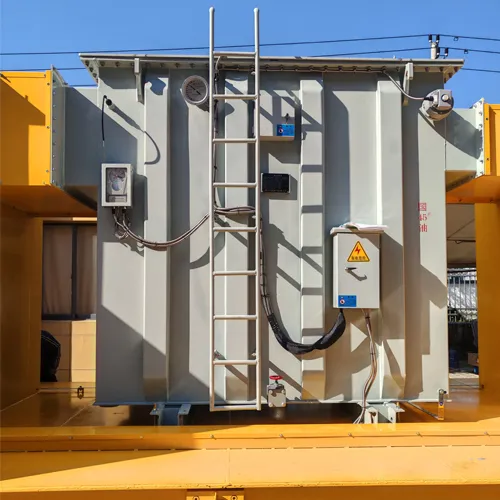
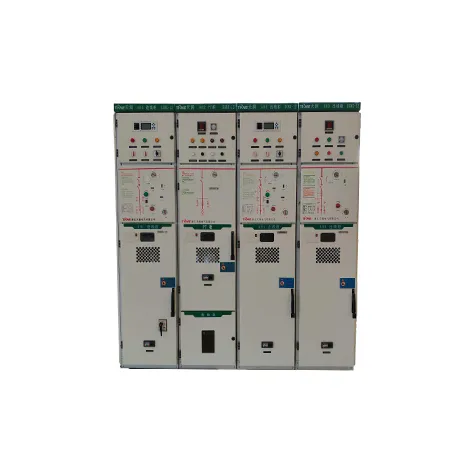
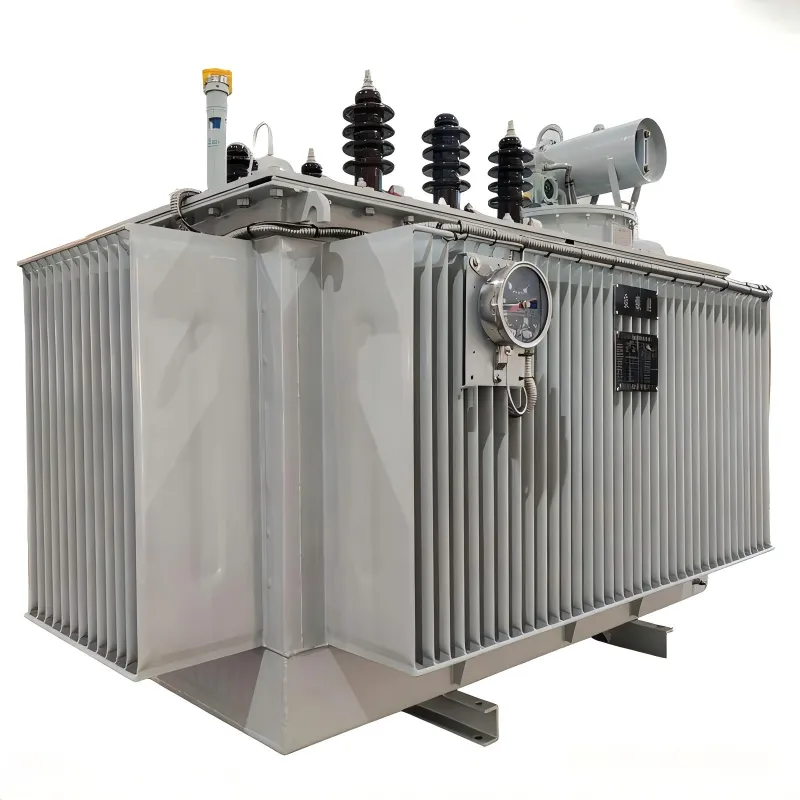
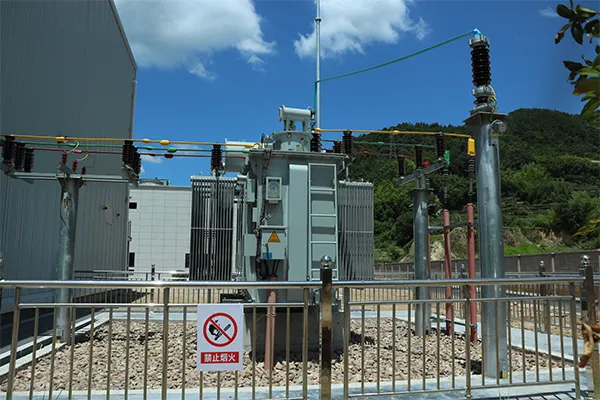
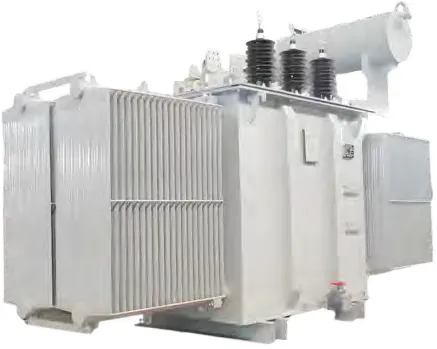
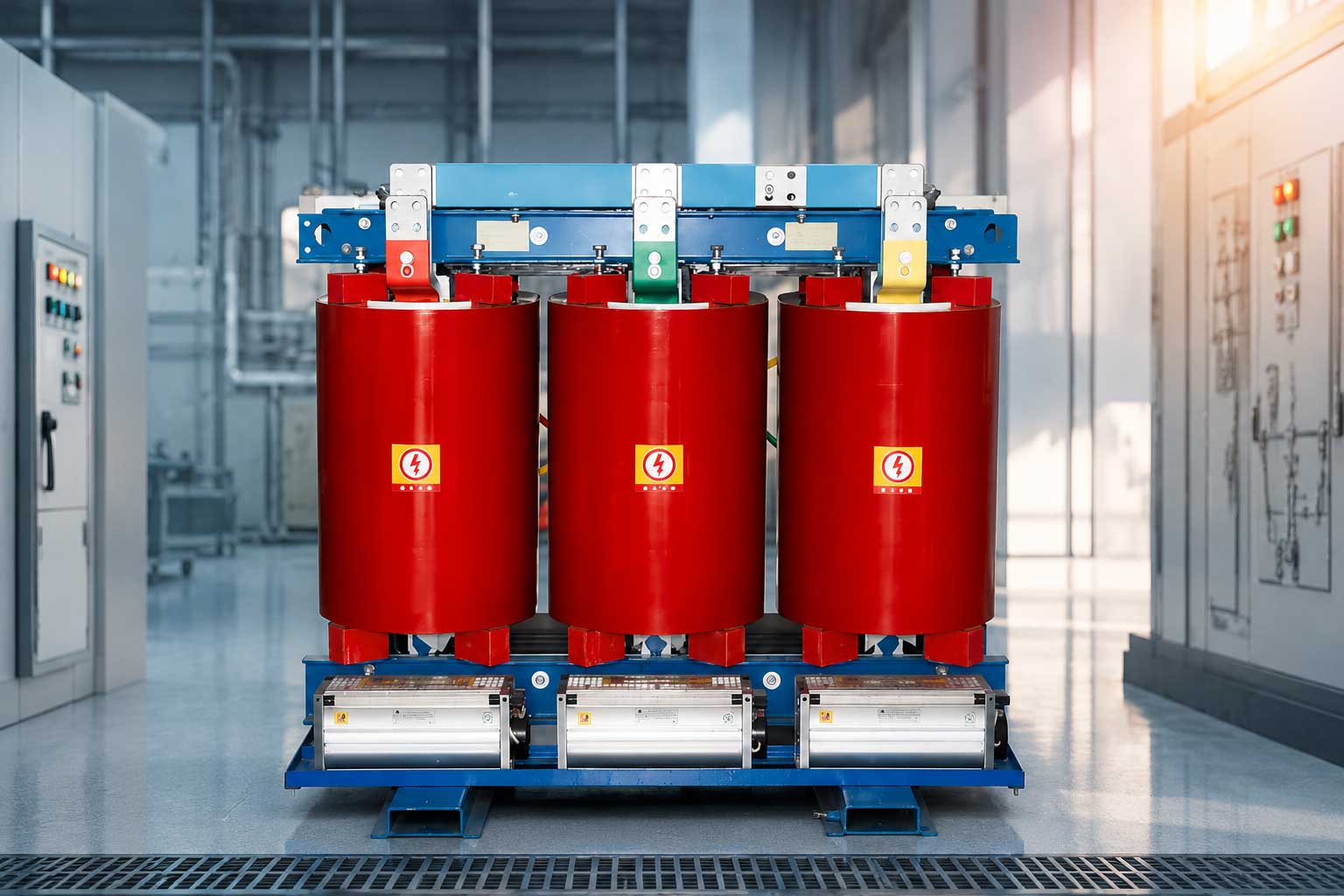
SCB14 vs SCB18 is mainly a comparison between two energy-efficiency levels of resin-insulated dry-type power transformers. In practical purchasing, SCB18 is usually selected when lower transformer losses and long-term energy savings matter more, while SCB14 is often chosen when the project needs a reliable dry-type transformer with a more balanced initial cost.
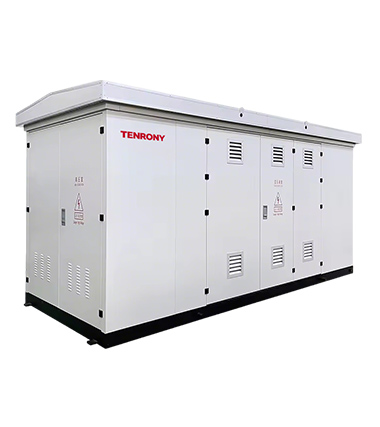
For factories, commercial buildings, hospitals, data centers, substations and distribution rooms, the best choice should consider rated capacity, voltage, no-load loss, load loss, operating hours, electricity price, installation environment and budget. Tenrony provides SCB14 Dry-Type Power Transformer and SCB18 Dry-Type Power Transformer solutions for medium-voltage power distribution projects.
What Do SCB14 and SCB18 Mean?
SCB14 and SCB18 are model names for cast-resin dry-type transformers, where “SCB” generally refers to a three-phase resin-insulated dry-type transformer and the number indicates an energy-efficiency generation or loss-performance level. In many market references, SCB18 corresponds to a higher-efficiency level than SCB14.
For China-based transformer projects, buyers should pay attention to energy-efficiency standards. The official national standard entry for GB 20052-2024 power transformer energy efficiency grades shows that power transformer efficiency is regulated by minimum allowable values and energy-efficiency grades. Earlier market references under GB 20052-2020 commonly linked SCB18 with NX1 and SCB14 with NX2, so buyers should confirm the exact applicable standard and project specification before ordering.
In simple terms, SCB18 is normally the more energy-saving option, while SCB14 remains a practical choice for projects where the payback period of the higher-efficiency model is not as critical.
SCB14 vs SCB18 Comparison Table
SCB14 and SCB18 dry-type transformers should be compared by energy efficiency, loss level, purchase cost, operating cost and application priority. The table below gives a practical selection overview.
| Comparison Item | SCB14 Dry-Type Transformer | SCB18 Dry-Type Transformer |
|---|
| Efficiency Positioning | High-efficiency dry-type transformer | Higher-efficiency dry-type transformer |
| Common Market Grade | Often associated with NX2 / Grade 2 references | Often associated with NX1 / Grade 1 references |
| No-Load Loss | Higher than SCB18 at comparable rating | Lower than SCB14 at comparable rating |
| Load Loss | Depends on capacity and design | Usually optimized for better total loss |
| Initial Cost | Usually lower | Usually higher |
| Lifecycle Cost | Good for normal operating hours | Better for long operating hours and high electricity cost |
| Best Fit | Budget-sensitive projects, general distribution | Data centers, hospitals, factories, green buildings |
| Buyer Focus | Reliable performance and cost balance | Energy saving, compliance and long-term payback |
The difference is not only the model number. Buyers should request a detailed loss table for the exact kVA, voltage ratio, impedance, insulation class and cooling method because transformer losses change by specification.
Efficiency, Losses and Lifecycle Cost
Transformer efficiency should be evaluated by total ownership cost, not only purchase price. No-load loss occurs whenever the transformer is energized, while load loss increases with current and loading level.
For example, a transformer running 24 hours per day operates about 8,760 hours per year. If a higher-efficiency SCB18 unit reduces constant no-load loss, the energy saving can accumulate every day, even when the load is low. Load loss becomes more important when the transformer often runs at medium or high load.
A simple buyer logic is this: choose SCB18 when the transformer will operate for long hours, electricity cost is high, or the project has strict energy-saving requirements. Choose SCB14 when the budget is tighter and the operating profile does not justify the additional upfront cost.
Dry-type transformers should also meet recognized technical requirements. The international standard IEC 60076-11 for dry-type power transformers applies to dry-type power transformers with at least one winding operating above 1.1 kV and equipment voltage up to 72.5 kV, which makes it a relevant reference for technical compliance.
When Should You Choose SCB14 or SCB18?
Choosing SCB14 or SCB18 means matching transformer efficiency to project usage, not simply choosing the newest model. A transformer for a lightly loaded backup system may have a different economic logic from one feeding a 24/7 production line.
Choose SCB14 when the project needs a safe, reliable cast-resin dry-type transformer, the budget is limited, and the expected operating hours or energy cost do not make SCB18 payback attractive. SCB14 can be suitable for ordinary commercial buildings, industrial distribution rooms and general power distribution projects.
Choose SCB18 when the project emphasizes lower losses, higher energy efficiency and long-term operating savings. It is usually more suitable for data centers, hospitals, airports, high-rise buildings, factories, rail transit, new energy projects and green-building applications. Schneider Electric China’s explanation of dry-type transformer efficiency references also notes the common market correspondence of SCB18 with NX1 and SCB14 with NX2, which helps buyers understand why SCB18 is usually positioned as the higher-efficiency option.
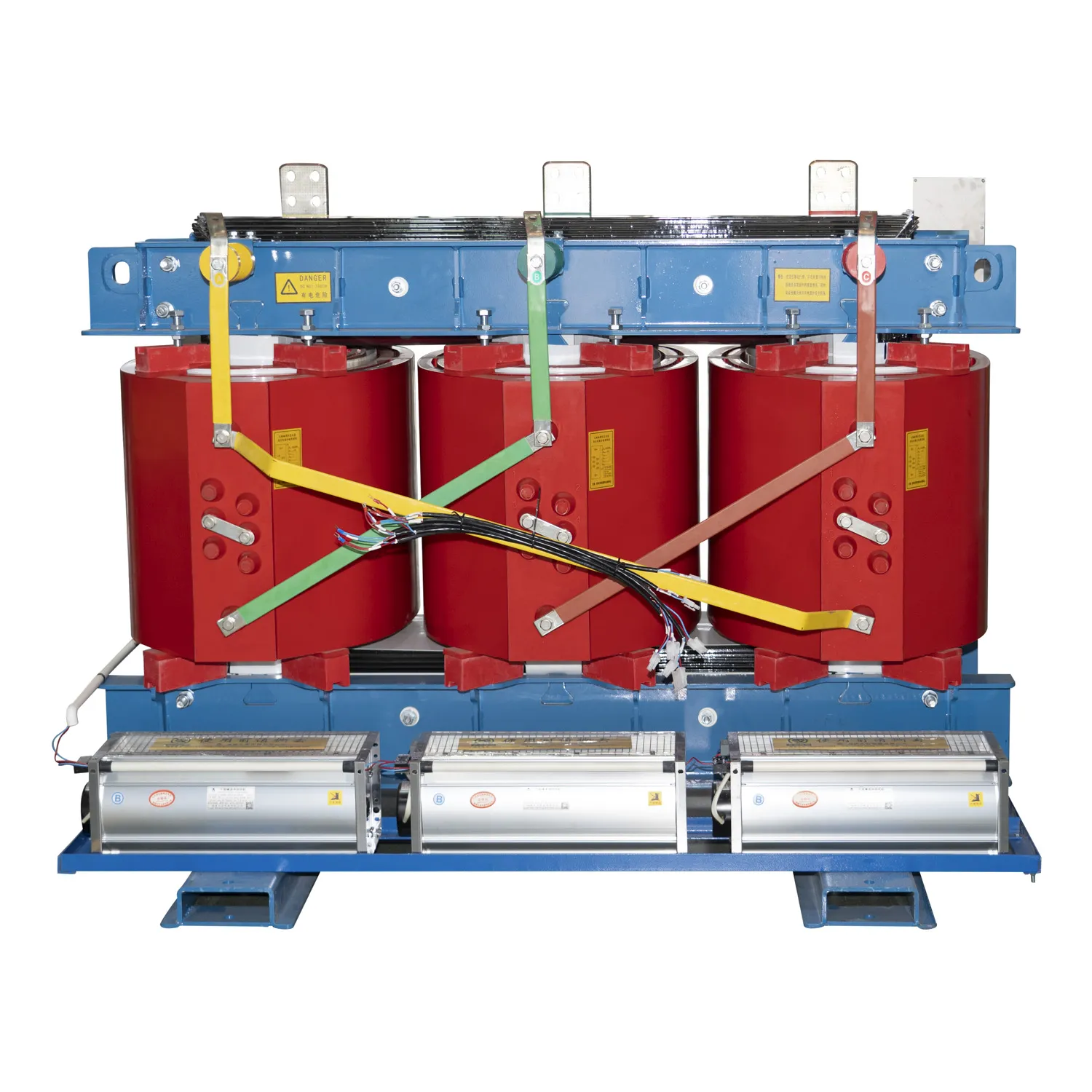
Tenrony dry-type transformers use epoxy resin encapsulated coils and are designed for fire resistance, explosion-proof performance, pollution-free operation, compact installation and intelligent temperature control. Tenrony also provides Three Phase Dry-Type Transformer products for industrial and commercial power distribution needs.
Key Purchasing Checks Before Ordering
SCB14 and SCB18 purchasing should be based on exact technical parameters, project environment and operating cost calculation. The model name alone is not enough for a reliable transformer quotation.
Buyers should confirm rated capacity, high-voltage and low-voltage levels, tapping range, vector group, short-circuit impedance, insulation level, cooling method, temperature rise, enclosure protection, installation altitude, ambient temperature, noise limit and testing requirements. For lifecycle comparison, request both no-load loss and load loss data, then calculate annual energy cost under expected operating hours and load rate.
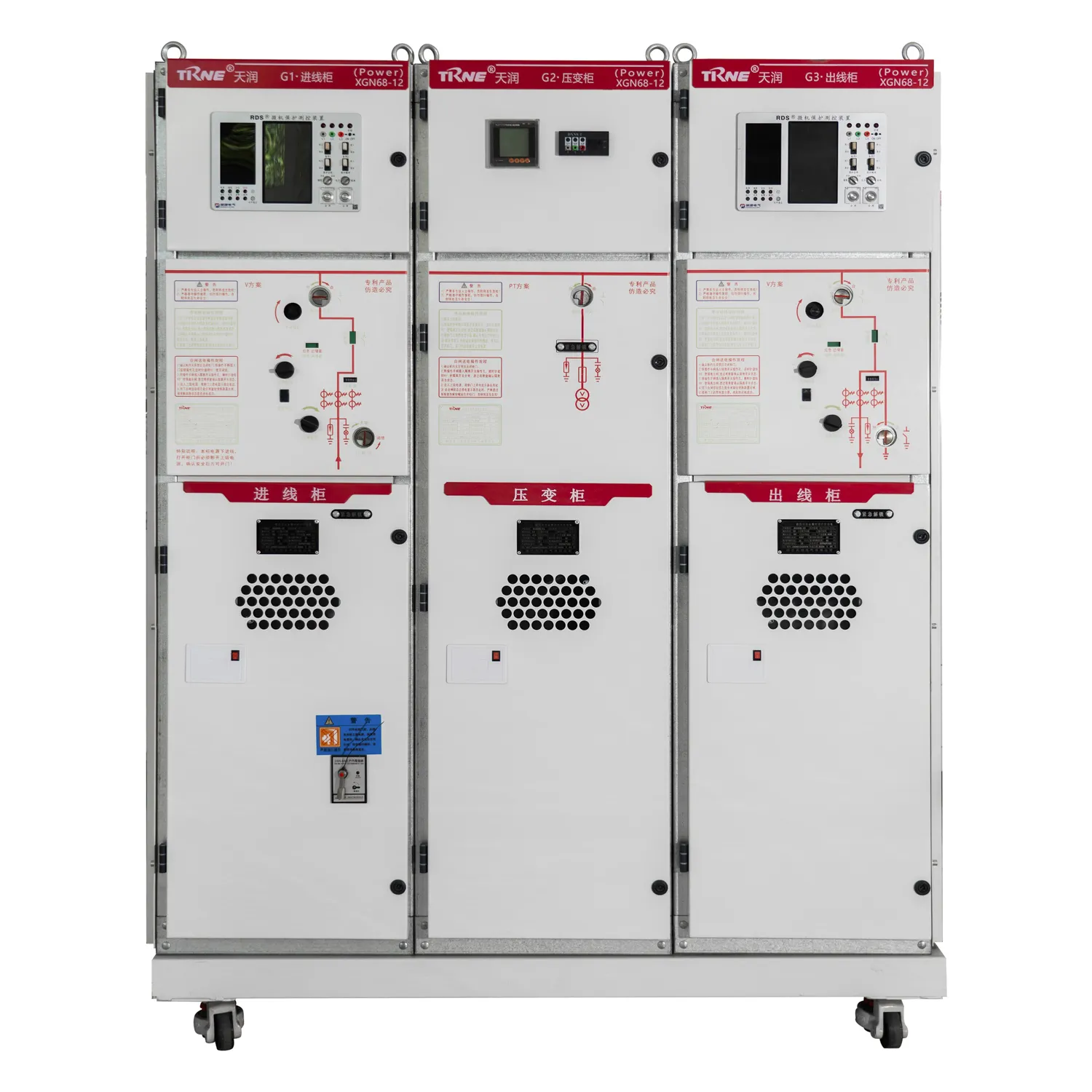
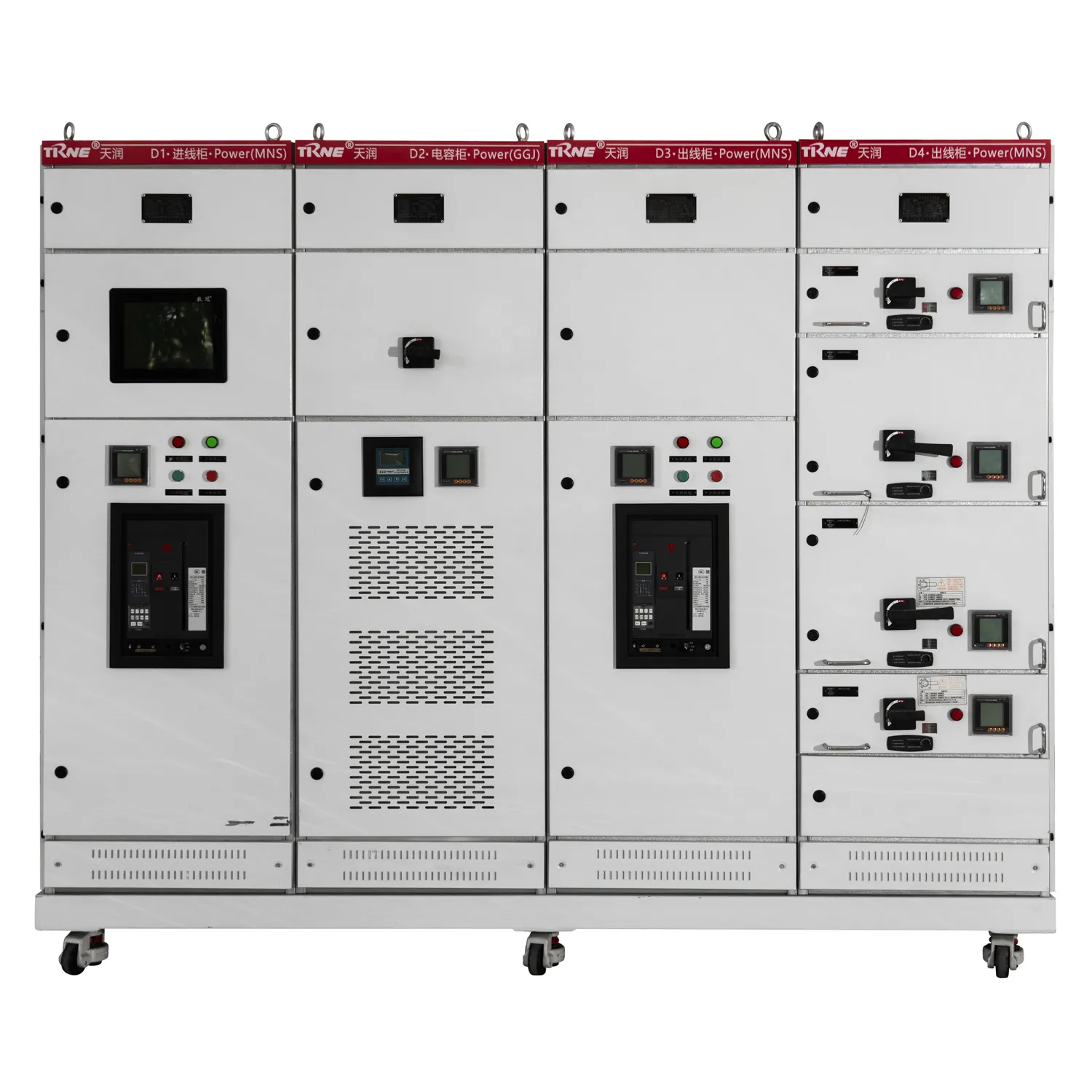
A good supplier should also provide drawings, test reports, delivery plan, installation guidance and after-sales support. Tenrony has more than 20 years of technical experience and supplies power transformers, dry-type transformers, oil-immersed transformers, substations and switchgear for distribution systems.
Conclusion
The main difference between SCB14 and SCB18 is energy-efficiency positioning. SCB18 is generally the more energy-saving dry-type transformer, while SCB14 offers a cost-effective balance for many standard distribution projects. The better option depends on annual operating hours, load rate, electricity price, project standard and payback expectation.
For buyers, the safest decision is to compare exact loss data, technical specifications and lifecycle cost, rather than choosing only by model name. Tenrony supports customers with SCB14 dry-type transformers, SCB18 dry-type transformers and complete dry-type transformer solutions for factories, commercial buildings, substations and infrastructure projects.
FAQ
1. What is the main difference between SCB14 and SCB18?
The main difference is energy-efficiency level. SCB18 is generally positioned as a higher-efficiency dry-type transformer than SCB14.
2. Is SCB18 always better than SCB14?
Not always. SCB18 usually saves more energy, but SCB14 may be more cost-effective when operating hours are limited or budget is the main concern.
3. Which transformer has lower no-load loss?
SCB18 normally has lower no-load loss than SCB14 at comparable rating and design conditions, but buyers should confirm the exact manufacturer loss table.
4. Where are SCB14 and SCB18 transformers used?
They are used in factories, commercial buildings, hospitals, schools, data centers, high-rise buildings, substations and other power distribution systems.
5. How should I calculate whether SCB18 is worth the higher price?
Compare annual energy savings from lower no-load and load losses, then divide the extra purchase cost by annual savings to estimate the payback period.
6. Why choose Tenrony for SCB14 and SCB18 transformers?
Tenrony provides SCB14, SCB18 and other dry-type transformer solutions with epoxy resin insulation, temperature control, technical support and customized power distribution equipment.
The Author — Mr. Cai Dongpo
About Our Chief Engineer
Mr. Cai Dongpo is the Chief Engineer of Tenrony. Since joining the company in 2007, he has devoted his entire career to technical design and engineering, building extensive, hands-on expertise across electromechanical design projects. Over nearly two decades, he has played a key design role in a series of major industrial and infrastructure programs — including the China Coal Pingshuo Group, China Coal Pinglu Group, the CRRC (CNR) locomotive manufacturing production line, the CRRC (CSR) production line, and the Sunan Shuofang International Airport expansion project. His deep technical command and proven project track record form a cornerstone of Tenrony's engineering strength.
 English
 русский