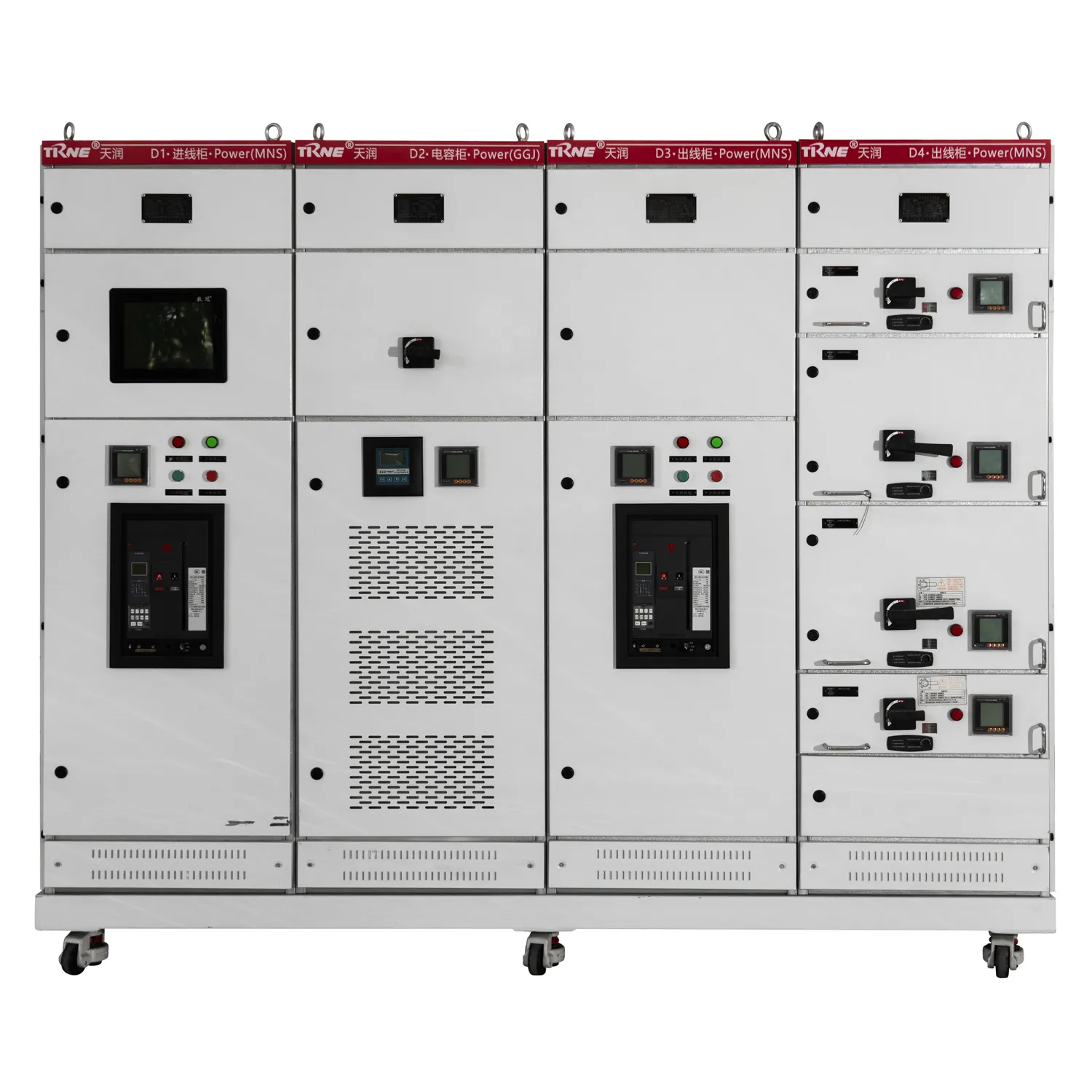
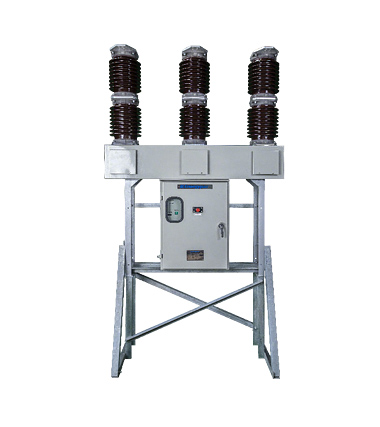
Main Transformer
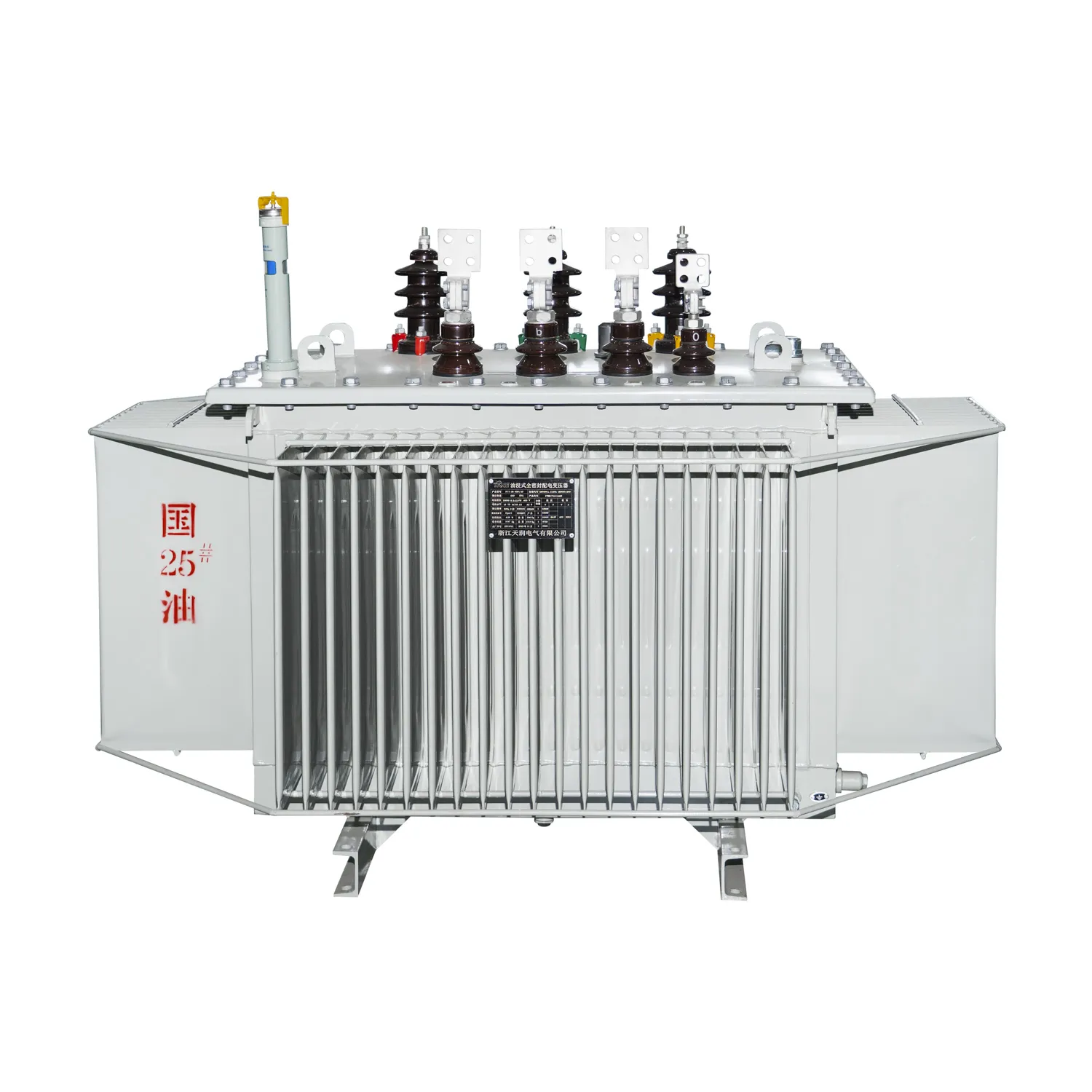
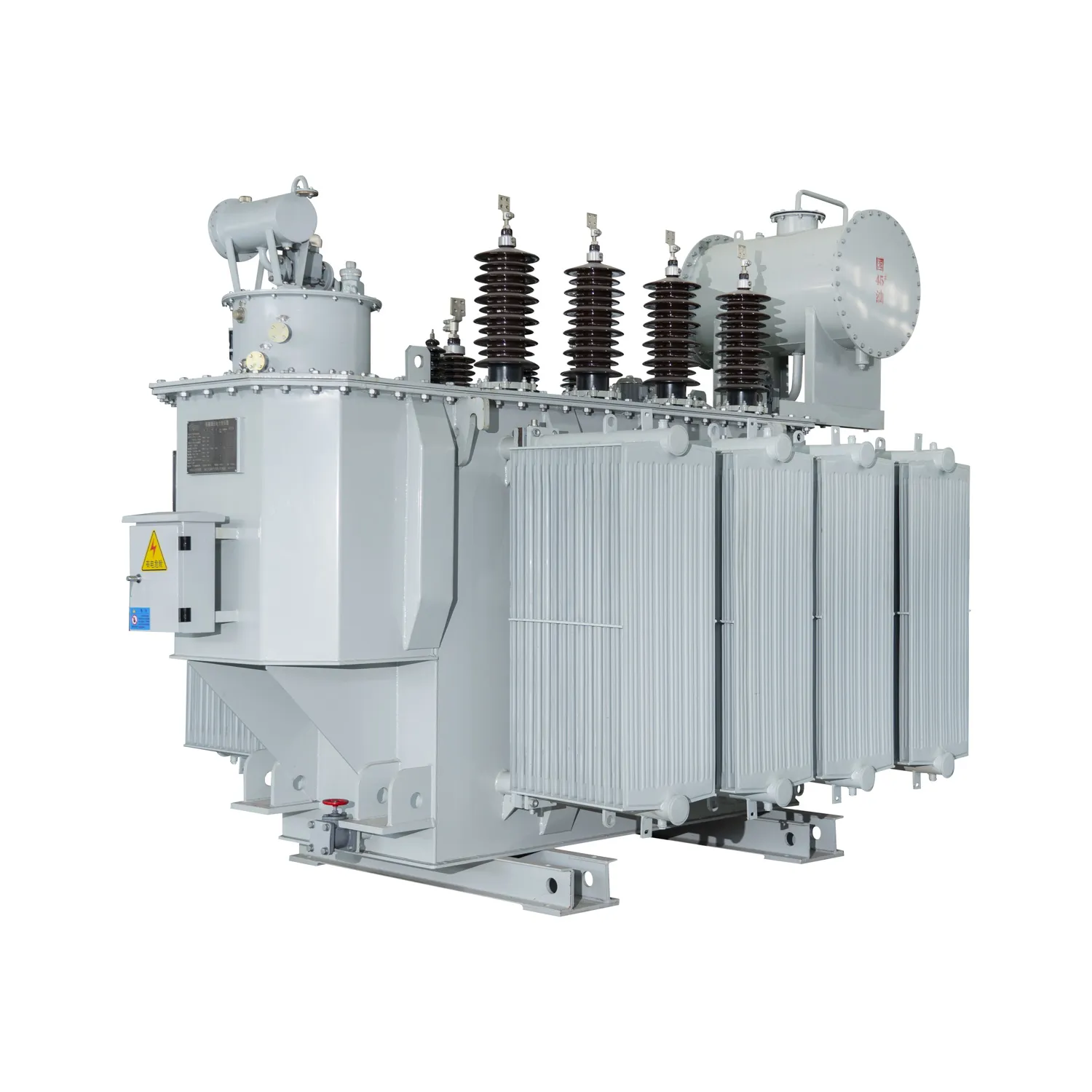
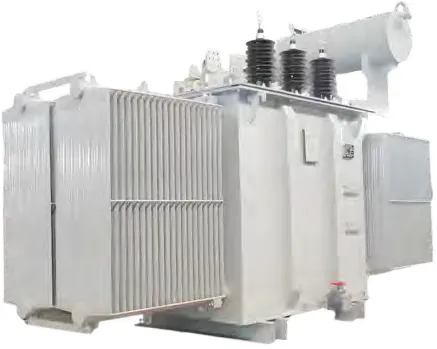
The main transformer is mainly used to convert the high-voltage electrical energy generated by power plants into low voltage electrical energy suitable for transmission, distribution and use through the process of voltage increase or decrease. It is process of converting high voltage to low voltage.
The working principle of the main transformer: It is mainly based on the principles of electromagnetic induction and voltage transformation. When the high-voltage coil is supplied with alternating current, and alternating current is generated in the high-voltage coil, which creates an alternating magnetic field in the high-voltage coil and then is conducted to the low-voltage coil through the iron core. According to Faraday’s law of electromagnetic induction, the alternating magnetic field in the low voltage coil will induce an electromotive force in the low-voltage coil, thereby achieving the conversion of electrical energy from high voltage to low voltage.
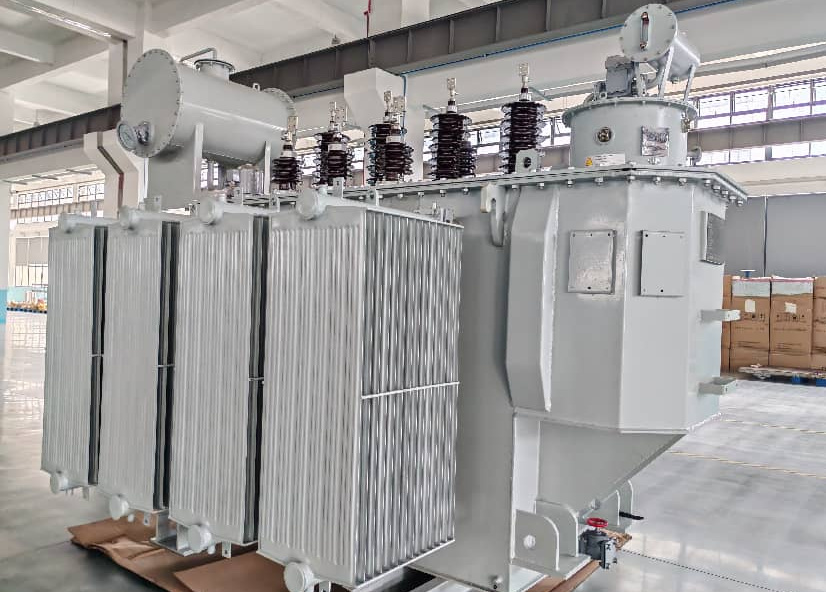
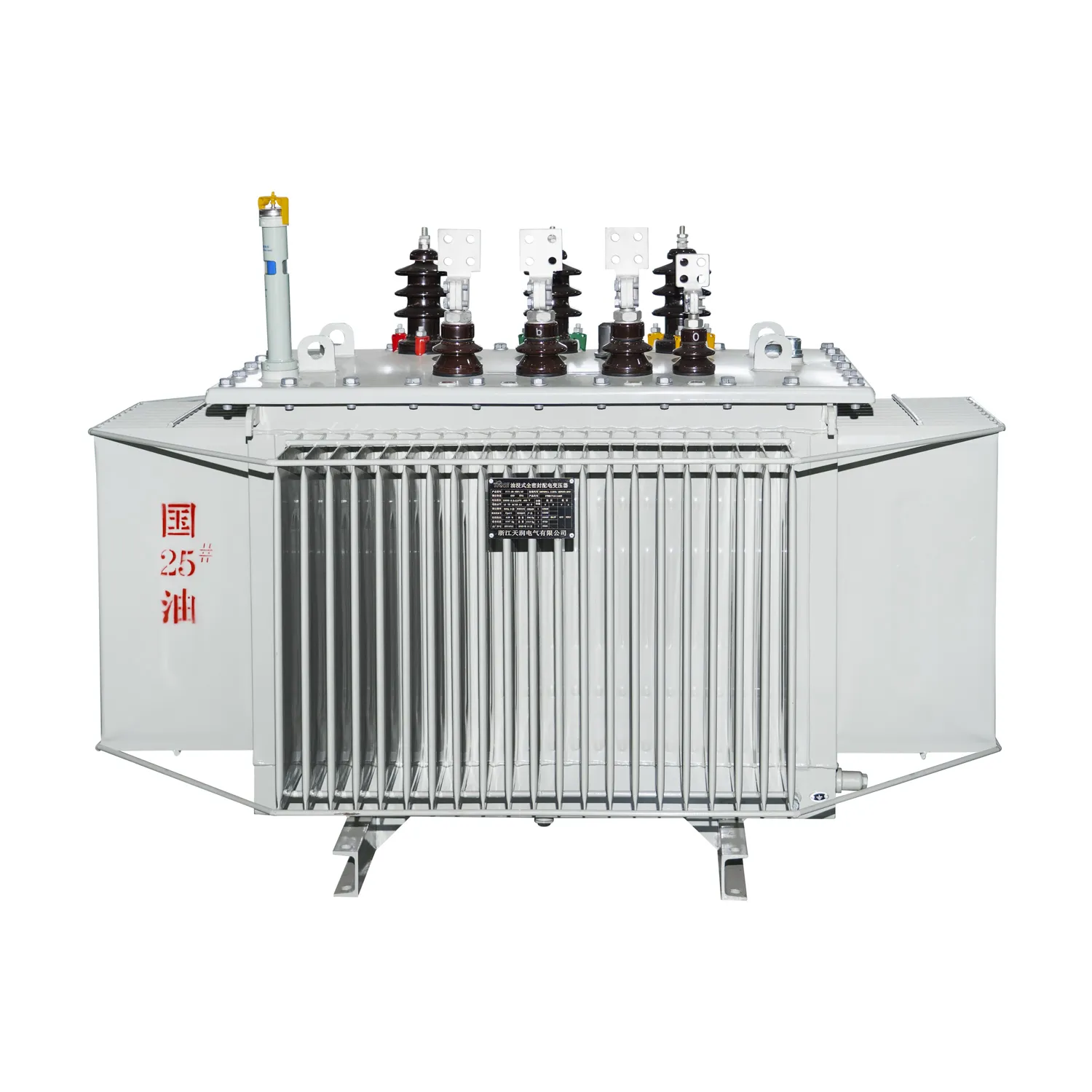
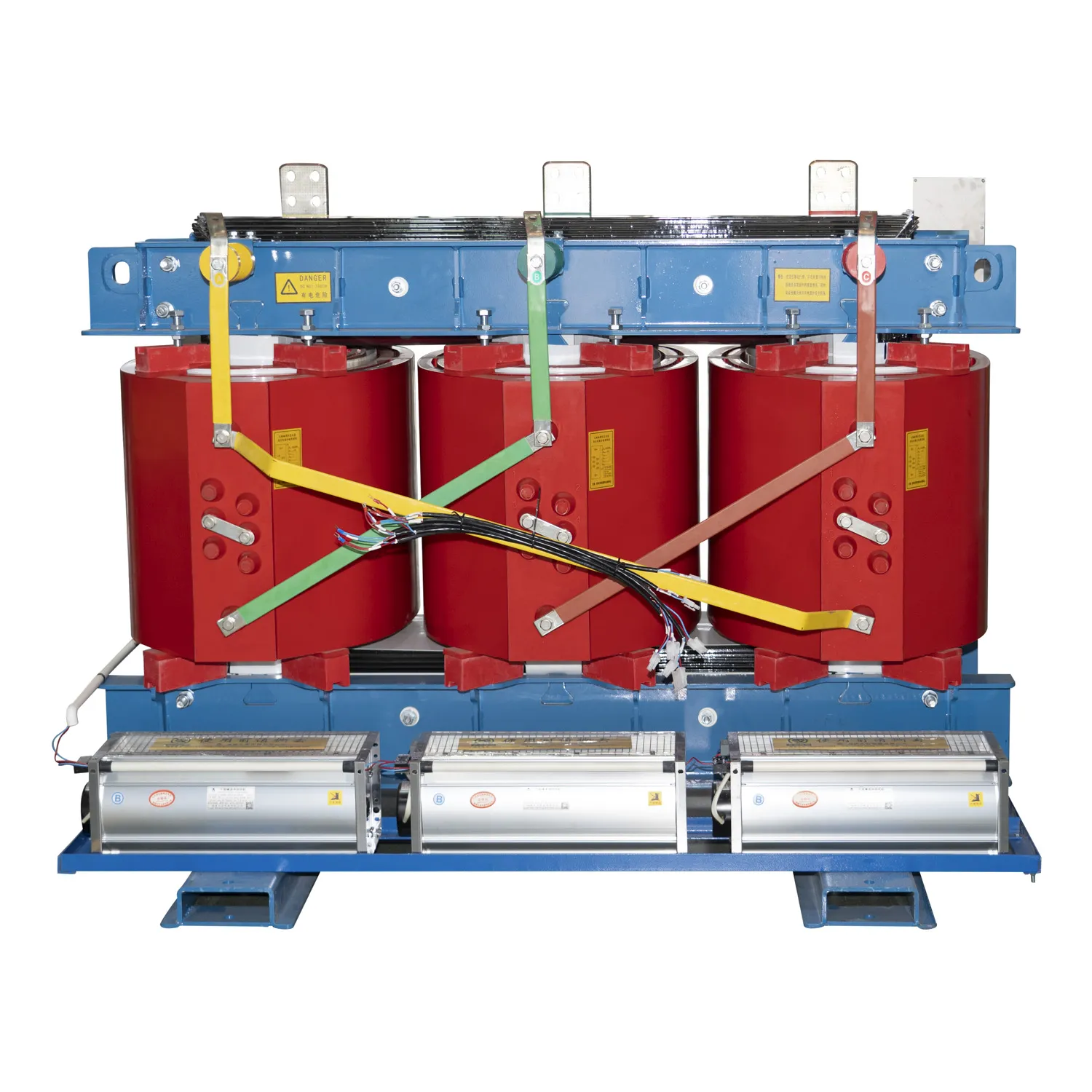
The main components of a power transformer include the core assembly, oil tank and cover, protective devices,cooling system and bushings. Among them, the core assembly directly convert electromagnetic energy and is composed of the core,weddings, leads and insulation. The oil tank and cover mainly consist of the tank body.cover.bottom and accessories(such as oil sample valves,drain plugs, grounding bolts, etc.) Protective devices mainly include the conservator, oil gauge, oil purifier, flow relay. Desiccant breather and signal thermometer.
The application of main transformer: It is widely used in three areas of the power system: transmission, distribution and consumption. Besides, it is also widely applied in industrial fields construction and residential areas, such as power machinery, welding and electric arc furnace, power supply and distribution, indoor lighting system, etc.
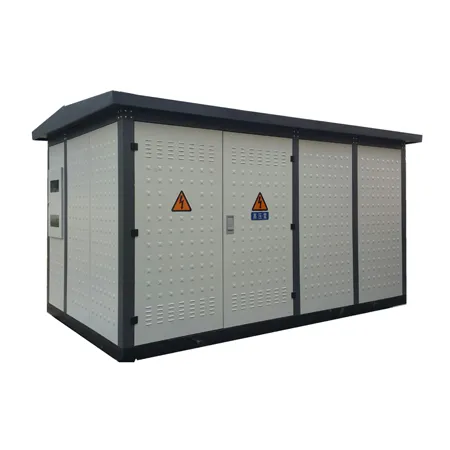
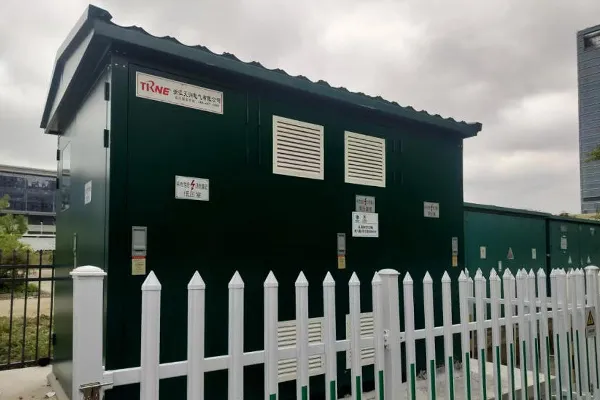
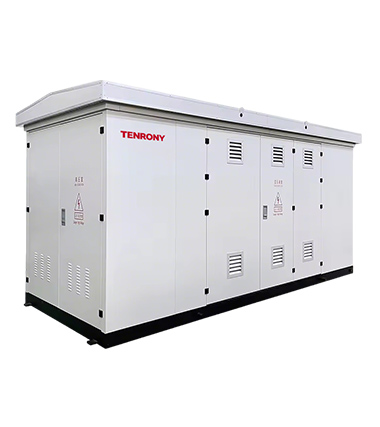
“Box-type substation” is the term for substation. Strictly speaking substation refers to a box-type substation. It is a compact substation that organically integrates functions such as high-voltage power reception, transformer voltage reduction, and low-voltage power distribution, all installed in a steel structure box that is moisture-proof, dust-proof,rodent-proof, fire-proof, heat-insulating, fully enclosed, and mobile.
The classification of box-type substation: Box-type substations can be classified by appearance and material into wooden box-type substations,stone box-type substations, and iron shell box-type substations. According to structural form,they can be divided into combined box-type substations (referred to as American box-type substations) and prefabricated box-type substations (referred to as European box-type substations). American box-type substations— these pad transformers can be further classified into common box type and separate box type based on the oil tank structure, while the European box-type transformer adopts two types: ring network type and terminal type.
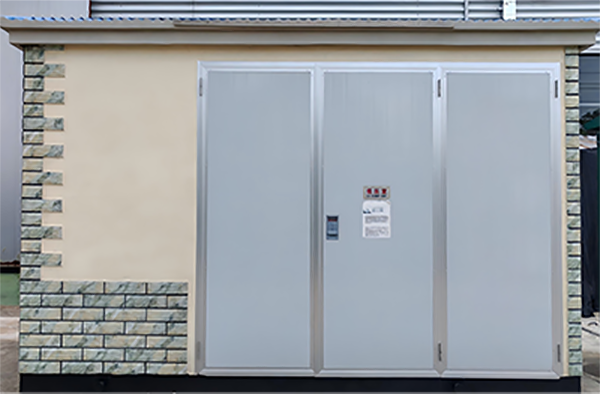
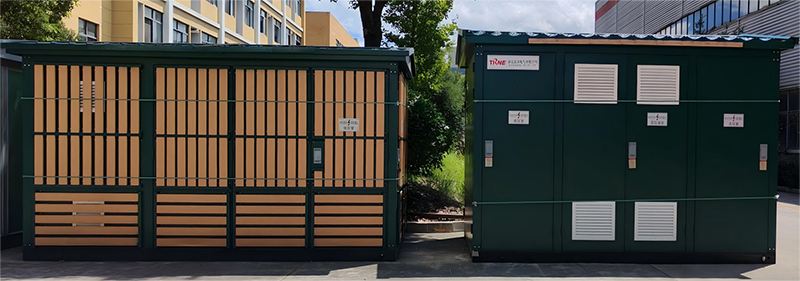
Features of box-type substations:
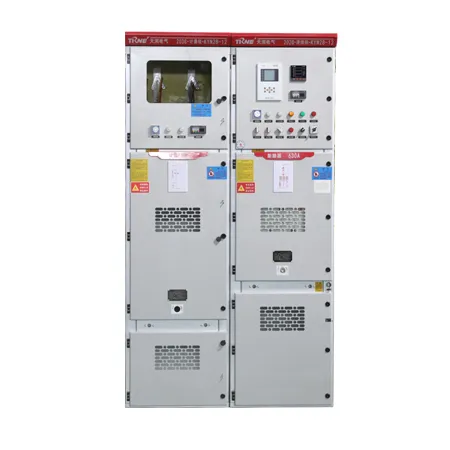
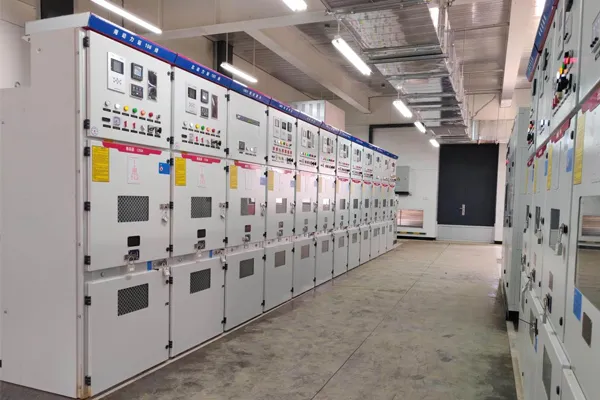
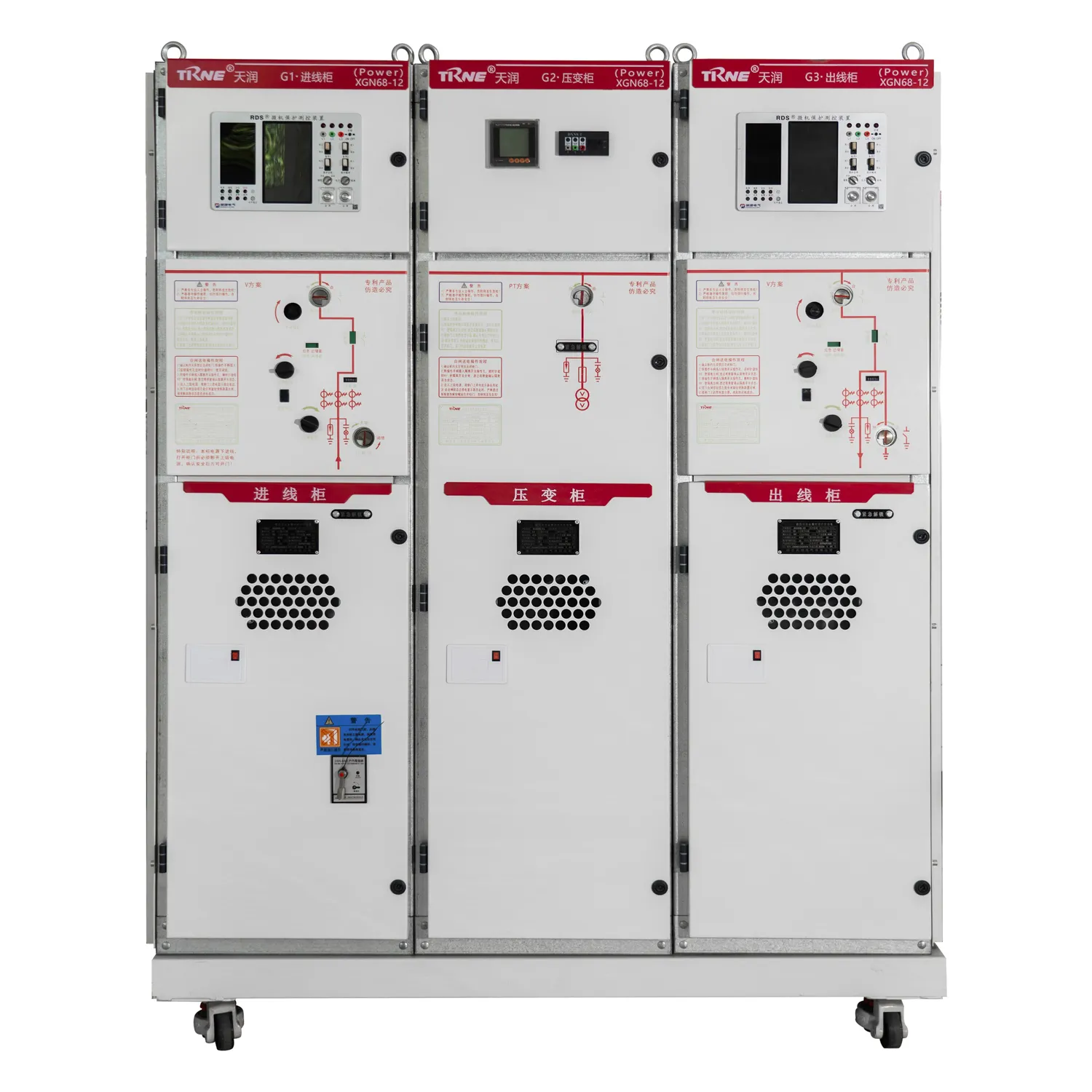
Compact structure. It integrates various equipment such as transformers, high and low voltage switch cabinets, and protection devices in one box, significantly reducing the occupied area and facilitating transportation and installation.
High safety. The fully enclosed structure design can effectively prevent the intrusion of small animals and moist air, protecting the equipment from the influence of the external environment. Meanwhile, it is equipped with complete internal protection devices to ensure safe and reliable operation.
It is highly flexible. It can be customized according to the actual needs of users, including different capacities, voltage levels and configurations, etc. In addition, it can also provide mobile power supply, which is convenient for use in temporary places or emergency situations.
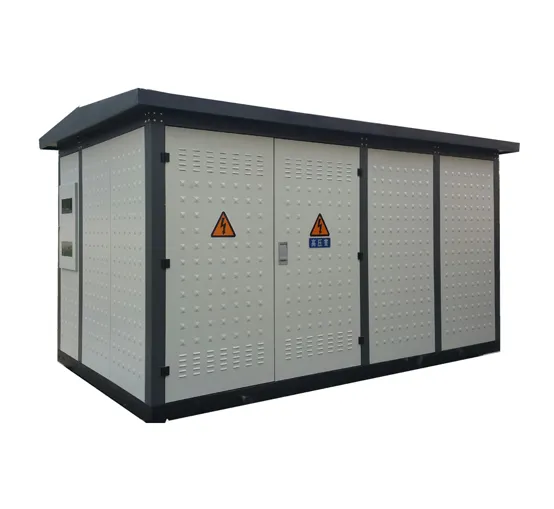
The structure of a box-type substation:
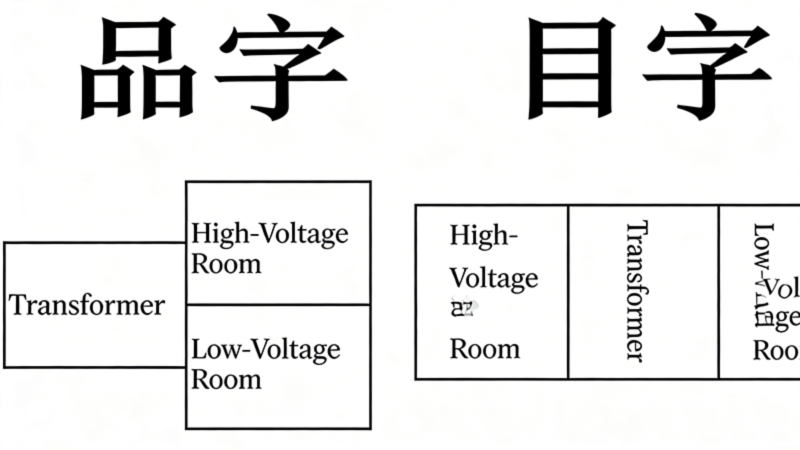
A box-type substation is generally composed of a high-voltage room, a transformer room and a low-voltage room. Its structure is generally divided into a "T" shape and a "square" shape.
The application of box-type substations:
They are commonly used in residential areas, industrial zones, shopping malls, etc., combining aesthetics with practicality. Both European-style and American-style box-type substations have advantages over traditional brick-and-mortar electrical rooms in small-load power systems. Box-type substations have a much lower construction cost than ordinary electrical rooms and are also very attractive in appearance. European-style box-type substations can even adopt landscape-type shells, which are not only aesthetically pleasing but also occupy a small area, making them a beautiful sight.
The difference between the two
The power capacity varies between main transformers and box-type transformers. The power capacity of main transformers is generally 1000 kVA or above, making them suitable for large-scale power grids, power stations, and other large-scale facilities. In contrast, the power capacity of box-type transformers typically ranges from 10 to 630 kVA, which is much smaller than that of main transformers, thus making them appropriate for small-scale power grids in residential areas, industrial zones, and other similar settings.
Application scope
Main transformers are mainly used in large and medium-sized power grids, power stations and other large-scale facilities. They can step down or step up the voltage as needed to adjust the grid voltage to the predetermined value, ensuring the normal operation of the power grid. In contrast, box-type transformers are more commonly seen in daily life and are often used in residential areas, industrial zones, shopping malls and other places. They reduce the voltage of high-voltage power grids to that of low-voltage power grids, facilitating power supply and ensuring safety and reliability.
Reliability Requirements
Due to the significance of the main transformer in the power system, its capacity is generally large, and it is required to have a high level of operational reliability. Although the box-type transformer also has certain reliability requirements, compared with the main transformer, its reliability requirements are relatively lower.
Design differences
Main transformers are usually designed to be larger and heavier because they need to handle higher voltages and currents, and thus require installation in larger spaces. They typically consist of the transformer core, cooling equipment, incoming lines, outgoing lines, and other components. In contrast, box-type transformers are much smaller and are usually designed in a box form to facilitate quick and easy installation in urban areas or residential communities.
If you want to know more about electrical power distribution equipment, please do not hesitate to contact Tenrony.
Popular Search Terms from Tenrony:
The Author — Mr. Cai Dongpo
About Our Chief Engineer
Mr. Cai Dongpo is the Chief Engineer of Tenrony. Since joining the company in 2007, he has devoted his entire career to technical design and engineering, building extensive, hands-on expertise across electromechanical design projects. Over nearly two decades, he has played a key design role in a series of major industrial and infrastructure programs — including the China Coal Pingshuo Group, China Coal Pinglu Group, the CRRC (CNR) locomotive manufacturing production line, the CRRC (CSR) production line, and the Sunan Shuofang International Airport expansion project. His deep technical command and proven project track record form a cornerstone of Tenrony's engineering strength.
 English
 русский