Oil-immersed transformers remain the most widely used power transformers in utility substations, industrial facilities, renewable energy projects, and commercial power distribution systems worldwide. Their excellent cooling performance, high efficiency, long service life, and ability to handle large loads make them indispensable in modern electrical networks.
This guide explains how oil-immersed transformers work, how long they typically last, and why BDV testing is essential for your project.
What Is an Oil-Immersed Transformer?
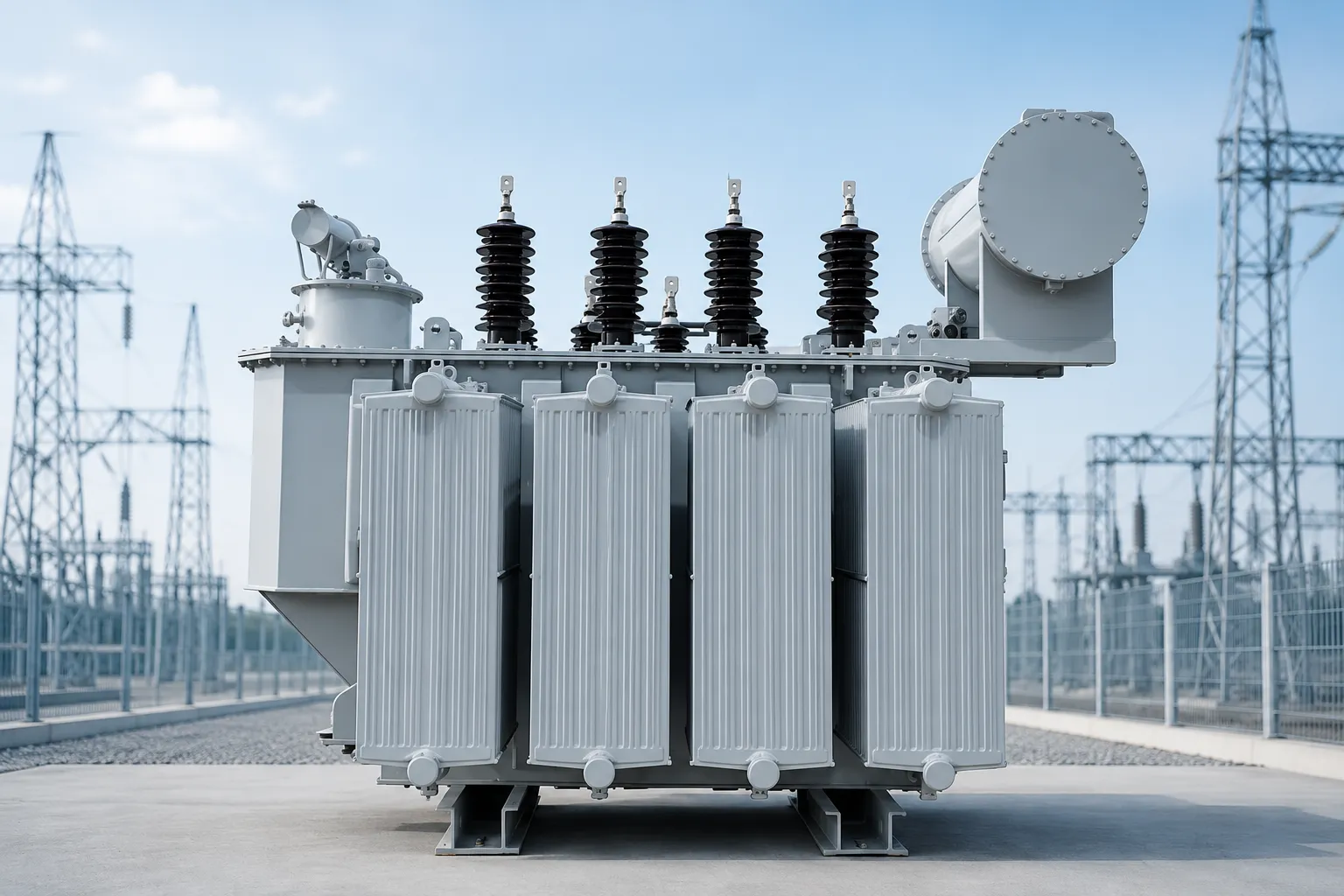
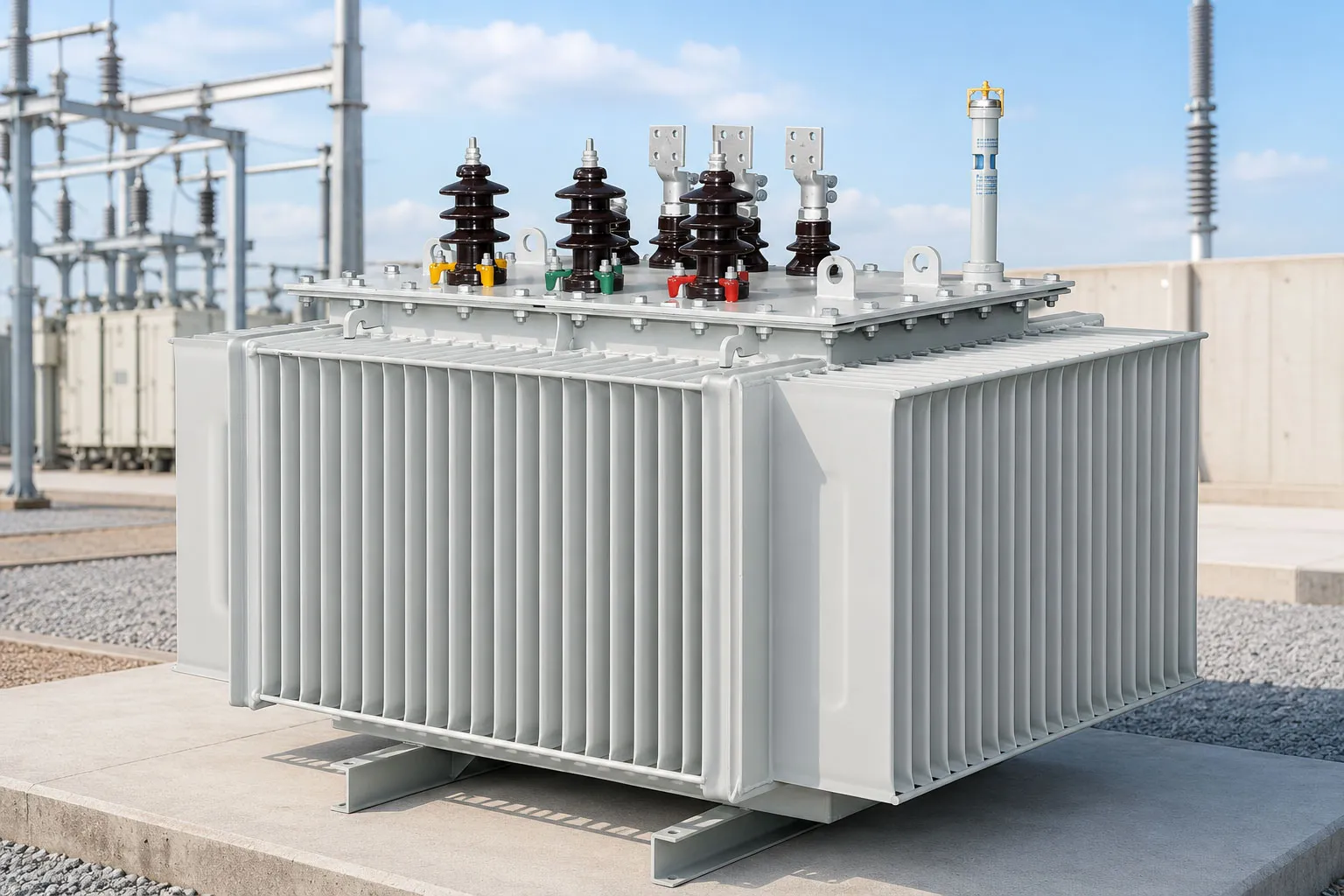
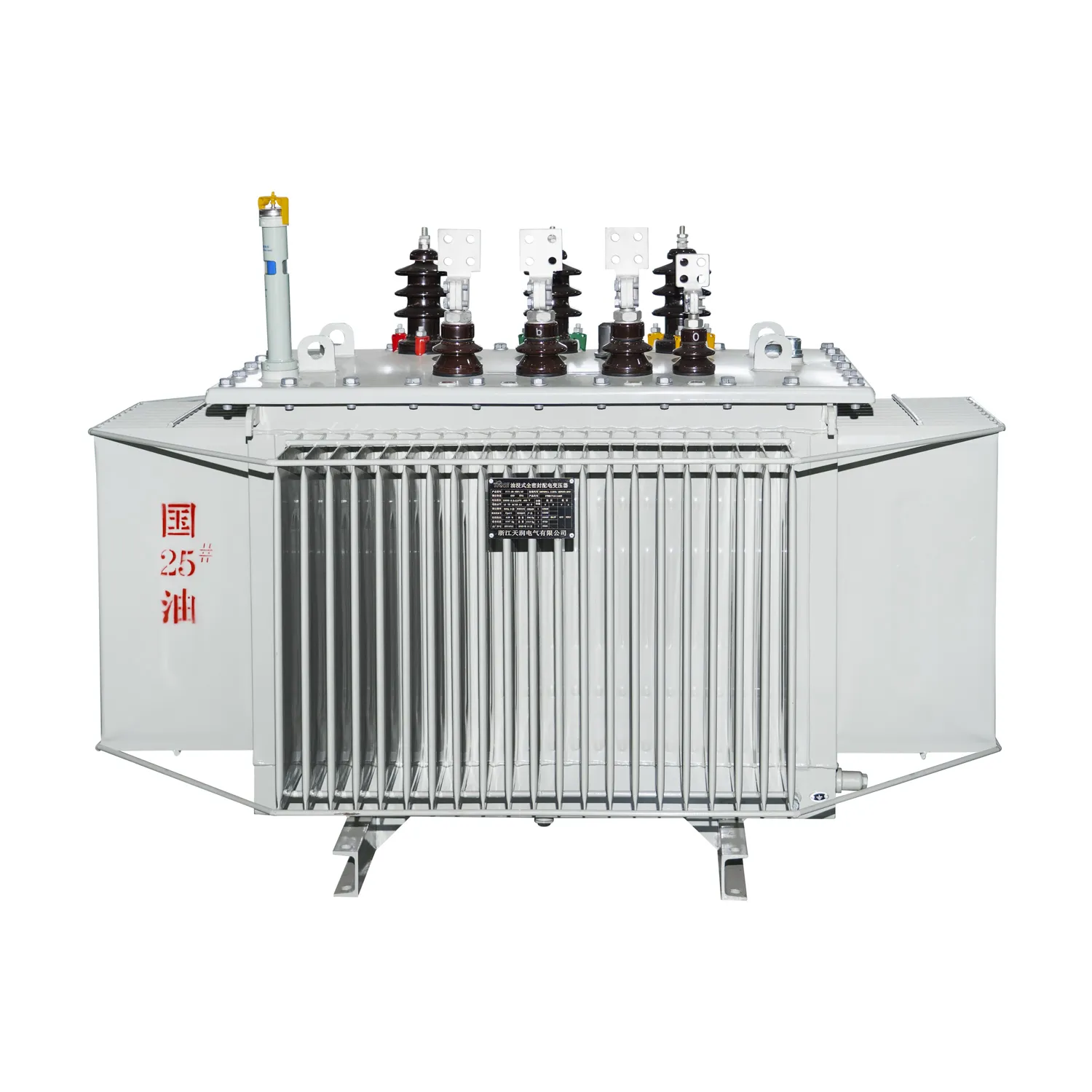
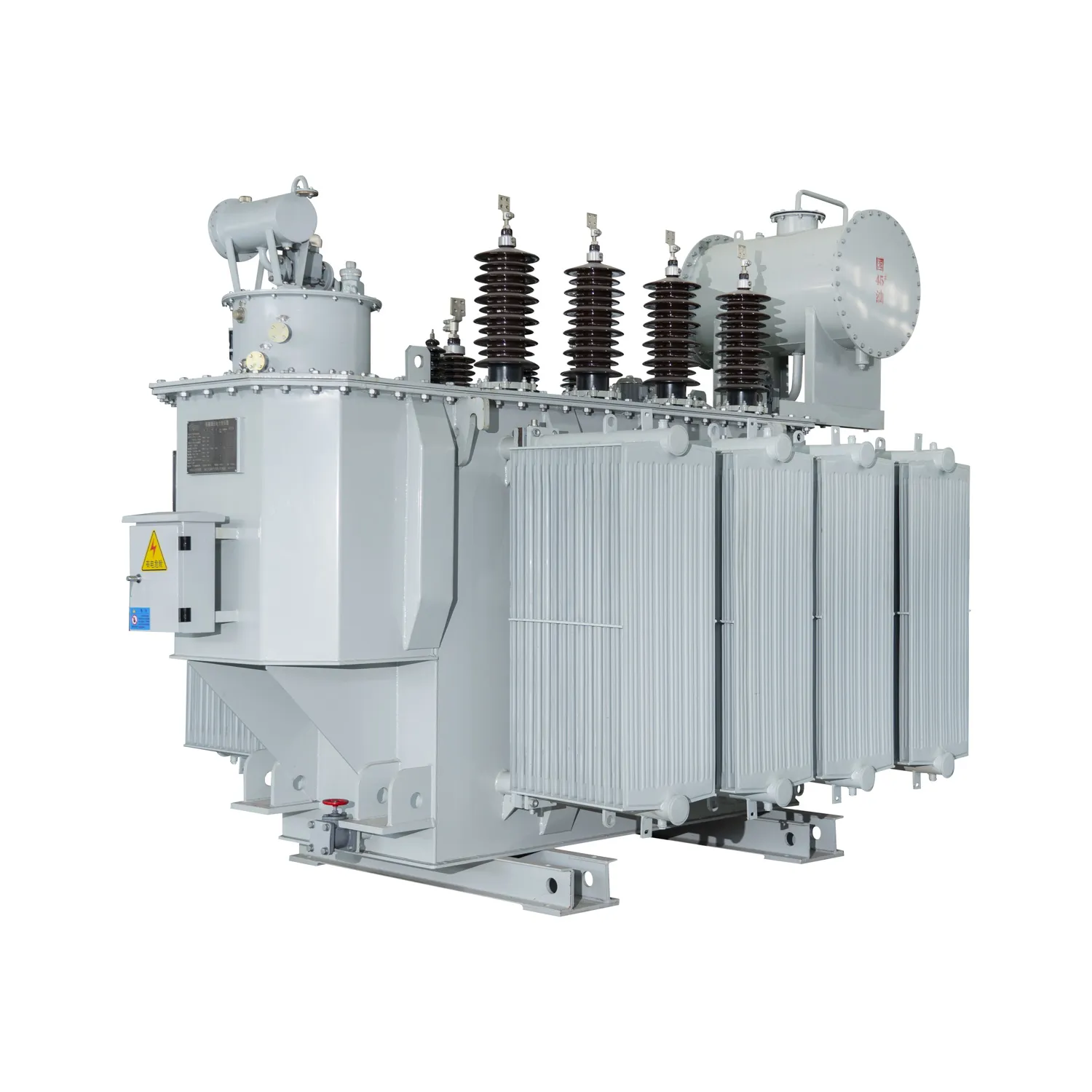
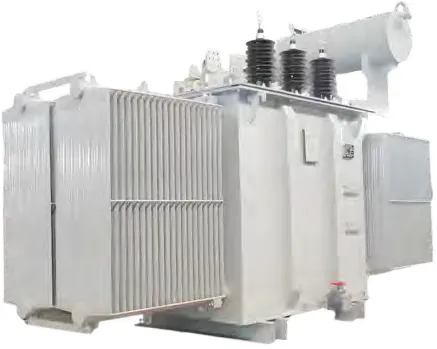
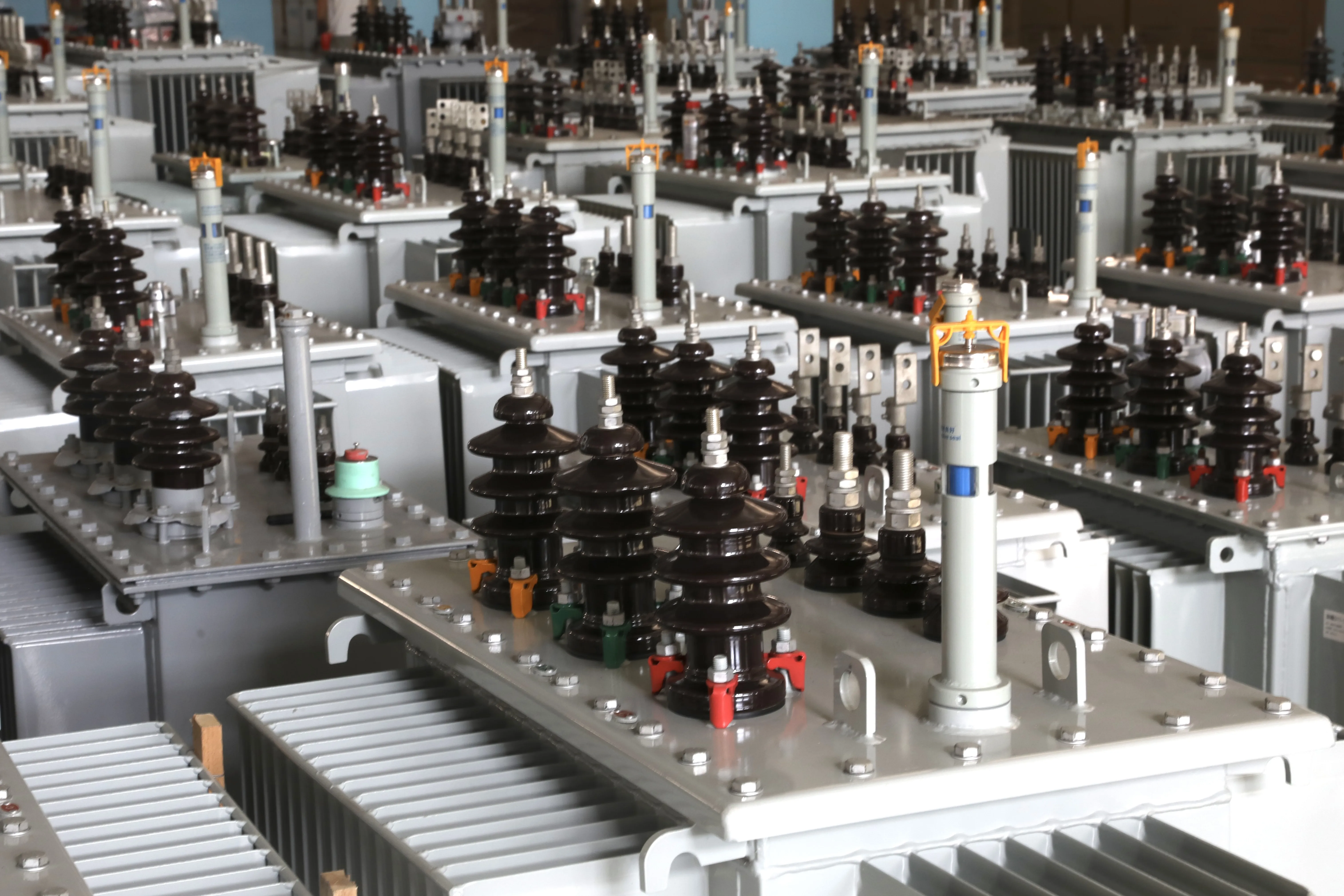
An oil-immersed transformer is a transformer whose core and windings are fully submerged in insulating mineral oil or ester fluid, which provides both electrical insulation and heat dissipation. Unlike dry-type transformers that rely on air cooling, oil-immersed transformers use insulating oil to transfer heat away from energized components and maintain safe operating temperatures.
Typical voltage classes include:
11kV
22kV
33kV
66kV
110kV
220kV and above
Oil-immersed transformers are commonly used in:
At Tenrony, oil-immersed transformers are designed to provide high reliability, low losses, and long-term operational stability for power distribution and transmission projects.
How Do Oil Transformers Work?
An oil transformer operates by transferring electrical energy between windings through electromagnetic induction while insulating oil simultaneously cools and insulates internal components. The working process involves four major steps:
1. Electromagnetic Induction
Alternating current flowing through the primary winding generates a magnetic flux inside the transformer core.
2. Voltage Transformation
The magnetic flux induces voltage in the secondary winding.
The voltage ratio follows:
VpVs=NpNsVsVp=NsNp
Where:
Vp = Primary Voltage
Vs = Secondary Voltage
Np = Primary Turns
Ns = Secondary Turns
3. Heat Generation
Copper losses and core losses generate heat during operation.
According to the U.S. Department of Energy's transformer efficiency guidance, modern distribution transformers can achieve efficiencies exceeding 98–99% depending on size and loading conditions.
4. Oil Cooling Cycle
The insulating oil absorbs heat from windings and circulates naturally or through forced cooling systems.
Common cooling methods include:
| Cooling Type | Description |
| ONAN | Oil Natural Air Natural |
| ONAF | Oil Natural Air Forced |
| OFAF | Oil Forced Air Forced |
| OFWF | Oil Forced Water Forced |
Main Components of an Oil-Immersed Transformer
The major components of an oil-immersed transformer work together to provide voltage transformation, insulation, cooling, and operational protection. Key components include:
| Component | Function |
| Core | Magnetic flux path |
| Windings | Energy transfer |
| Insulating Oil | Cooling and insulation |
| Tank | Oil containment |
| Radiators | Heat dissipation |
| Conservator | Oil expansion management |
| Buchholz Relay | Internal fault protection |
| Breather | Moisture prevention |
| Tap Changer | Voltage regulation |
Oil-Immersed Transformer vs Dry-Type Transformer
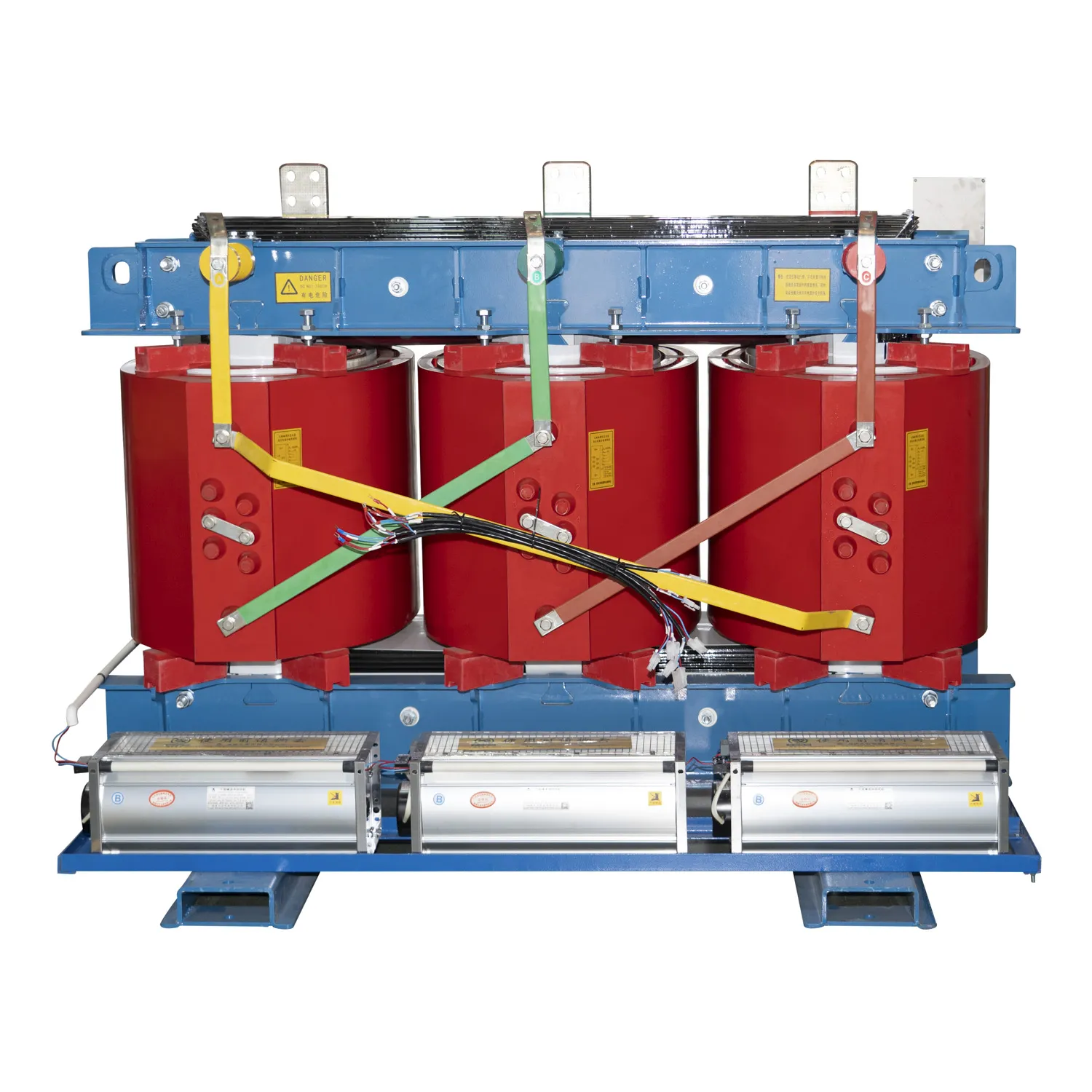
Oil-immersed transformers use insulating liquid for cooling, whereas dry-type transformers rely on air and solid insulation systems.
| Feature | Oil-Immersed Transformer | Dry-Type Transformer |
| Cooling Efficiency | Excellent | Moderate |
| Power Capacity | Very High | Medium |
| Initial Cost | Lower | Higher |
| Maintenance | Moderate | Low |
| Fire Safety | Lower | Higher |
| Service Life | 25-40 Years | 20-30 Years |
| Outdoor Installation | Excellent | Limited |
| Efficiency | Higher | Slightly Lower |
For large-scale industrial and utility applications, oil-immersed transformers are typically the preferred solution due to their superior thermal performance and lower total ownership cost. For detailed information, feel free to read Dry-Type VS Oil-Immersed Transformer
How Long Do Oil-Filled Transformers Last?
The expected lifespan of an oil-filled transformer is the period during which it can operate safely and efficiently under normal maintenance conditions. Industry data indicates that properly maintained oil-immersed transformers generally last:
| Transformer Type | Expected Service Life |
| Distribution Transformer | 25-35 Years |
| Power Transformer | 30-40+ Years |
| Utility Transformer | Up to 50 Years |
According to guidance published by the Electric Power Research Institute (EPRI), transformer insulation aging is primarily influenced by temperature, moisture, oxygen exposure, and contamination.
Why Is the BDV Test Required for Oil-Filled Transformers?
The Breakdown Voltage (BDV) test measures the dielectric strength of transformer oil and evaluates its ability to withstand electrical stress without failure. The BDV test is one of the most important diagnostic procedures in transformer maintenance.
Why BDV Matters
Transformer oil can deteriorate due to:
Moisture contamination
Oxidation
Dust particles
Aging by-products
Chemical degradation
As contamination increases, dielectric strength decreases.
A low BDV value may indicate:
Risk of insulation failure
Partial discharge activity
Increased probability of transformer breakdown
Conclusion
Oil-immersed transformers remain the preferred choice for utilities, industrial plants, renewable energy projects, and large-scale commercial power systems due to their outstanding cooling capability, high efficiency, and long service life. Understanding how these transformers work, monitoring oil condition through BDV testing, and implementing proper maintenance practices are essential for maximising reliability and minimising lifecycle costs.
As an experienced oil-immersed transformer manufacturer, Tenrony delivers customised transformer solutions that comply with international standards while providing long-term operational performance. Whether you require distribution transformers, power transformers, or project-specific designs, selecting a high-quality transformer partner is critical to ensuring safe and efficient power delivery for decades to come.
FAQ
1. What oil is used in an oil-immersed transformer?
Most transformers use highly refined mineral oil, while some environmentally sensitive projects use natural ester or synthetic ester fluids.
2. How often should transformer oil be tested?
BDV testing is typically performed every 6–12 months, depending on operating conditions and criticality.
3. What causes transformer oil degradation?
Moisture, oxygen, heat, contaminants, and oxidation are the primary causes of oil deterioration.
4. Can an oil-immersed transformer be installed outdoors?
Yes. Oil-immersed transformers are specifically designed for outdoor environments and harsh operating conditions.
5. What is the difference between BDV testing and DGA testing?
BDV evaluates dielectric strength, while Dissolved Gas Analysis (DGA) identifies internal faults by analyzing gases dissolved in transformer oil.
6. Which is more efficient: oil-immersed or dry-type transformers?
Oil-immersed transformers generally offer higher efficiency, better cooling performance, and greater capacity than dry-type transformers.
 English
 русский