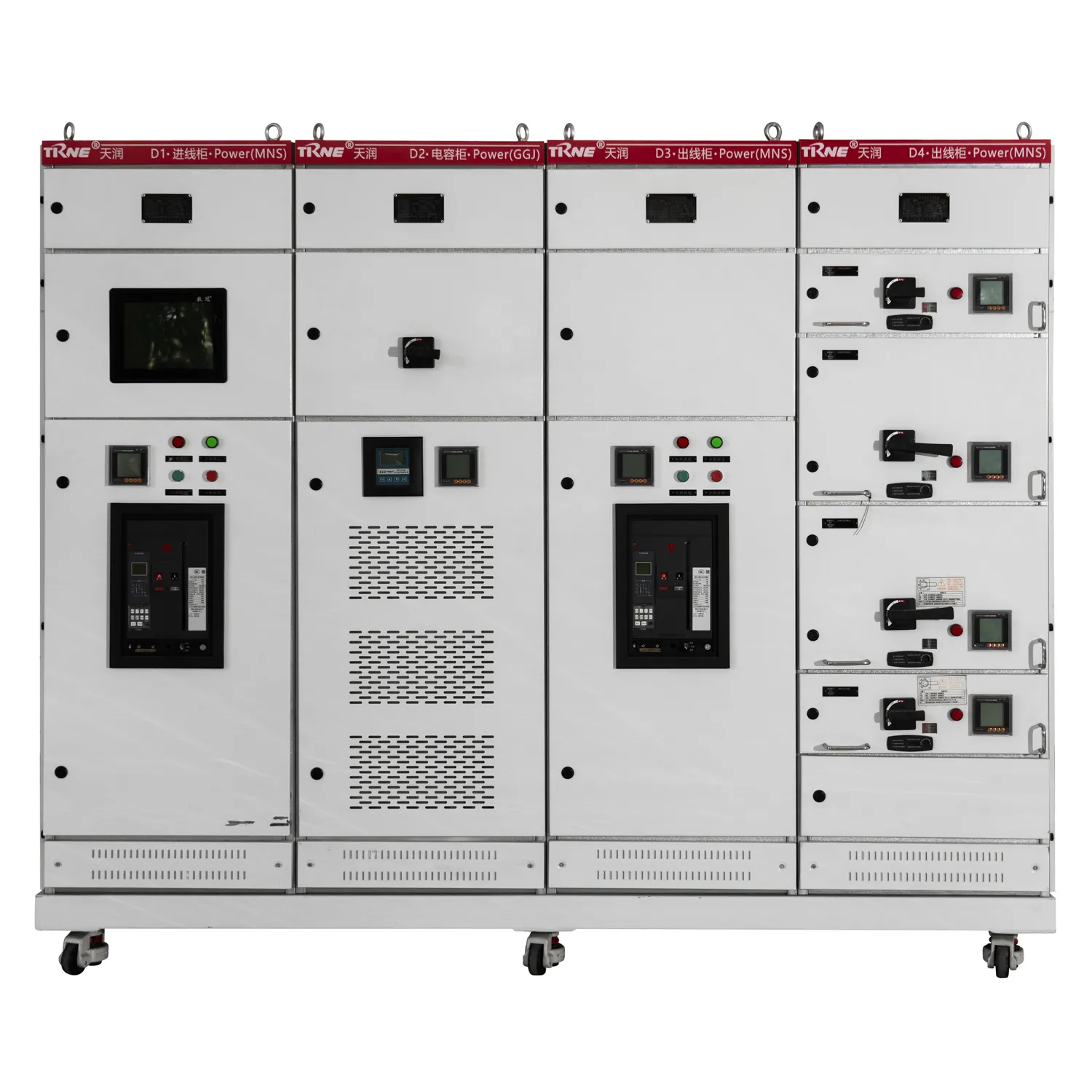
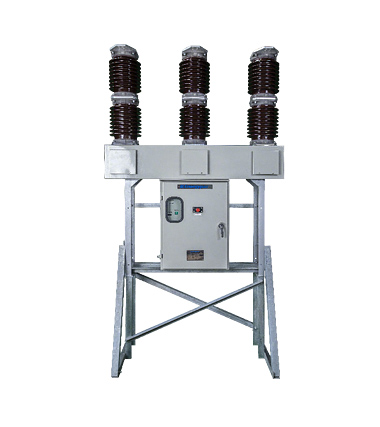
Choosing between a dry-type transformer and an oil-immersed transformer is one of the most important decisions in power distribution projects. The choice affects installation costs, operational efficiency, maintenance requirements, safety performance, and long-term reliability. Both transformer types perform the same fundamental function—transferring electrical energy between circuits through electromagnetic induction—but they use different cooling and insulation systems. Understanding these differences helps engineers, EPC contractors, utility companies, and industrial users select the most suitable transformer for their applications.
In this guide, Tenrony explains the major differences between dry type and oil immersed transformers, compares their performance, and provides practical recommendations for various industries.
What Is a Dry Type Transformer?
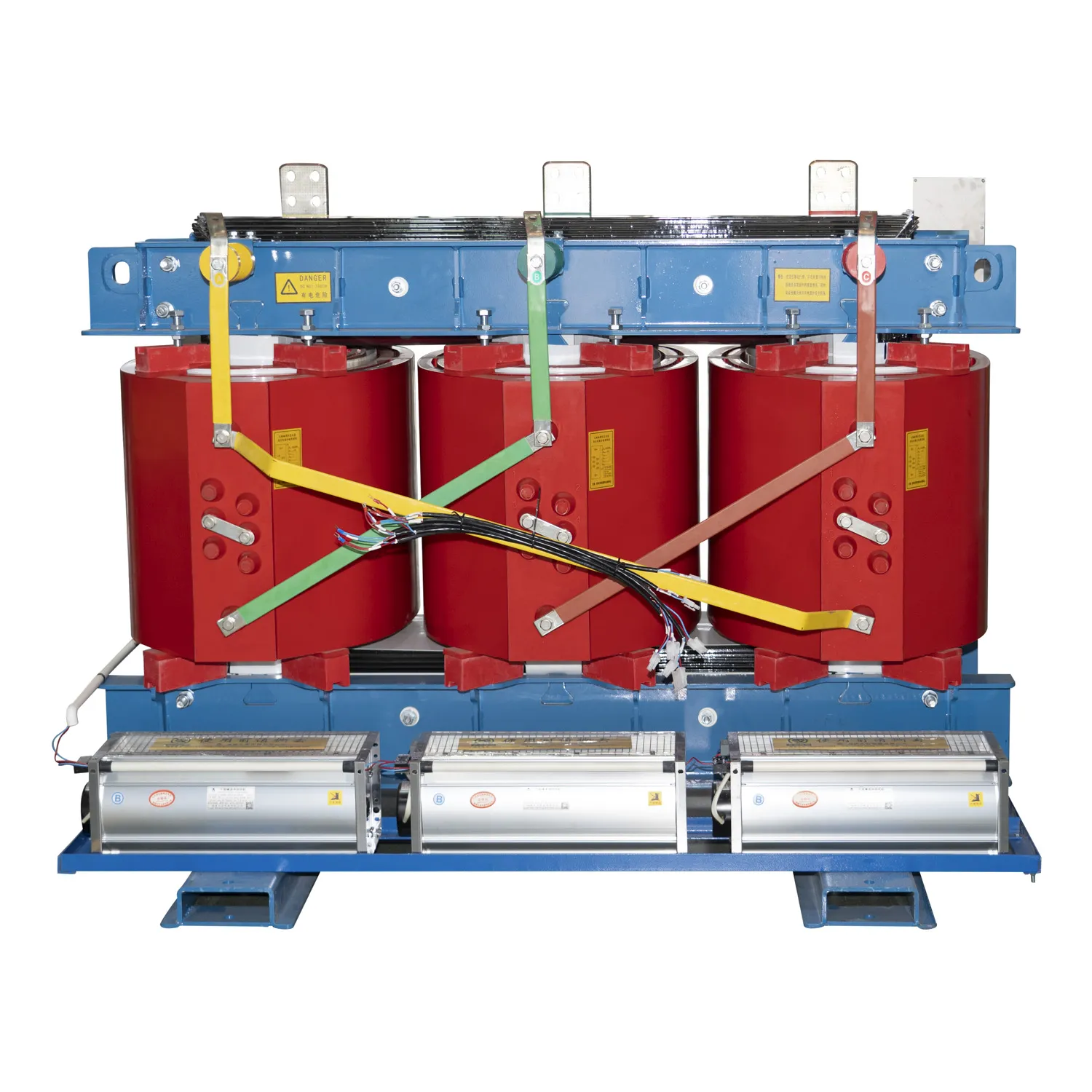
A dry-type transformer is a transformer that uses air as its primary cooling medium and solid insulation materials instead of insulating oil. Dry-type transformers are typically installed indoors where fire safety and environmental protection are major concerns. The windings are commonly insulated using epoxy resin or vacuum pressure impregnated (VPI) technology.
Common applications include:
Commercial buildings
Hospitals
Data centers
Airports
Shopping malls
Educational facilities
Because no oil is used, dry-type transformers eliminate the risk of oil leakage and reduce fire hazards in occupied buildings.
According to the energy efficiency guidance published by the U.S. Department of Energy Transformer Efficiency Standards, modern dry-type transformers can achieve high operational efficiency while meeting increasingly strict energy regulations.
Key Characteristics
Air-cooled design
Environmentally friendly operation
Low fire risk
Suitable for indoor installations
Reduced environmental contamination risk
What Is an Oil-immersed Transformer?
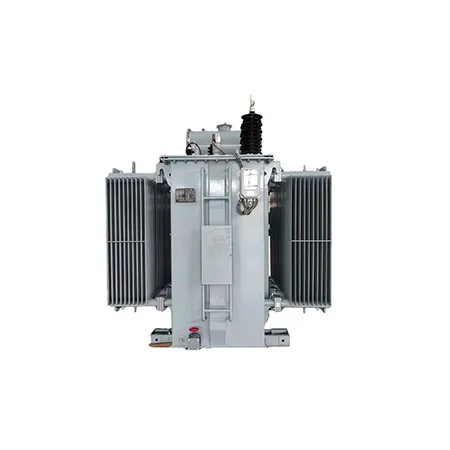
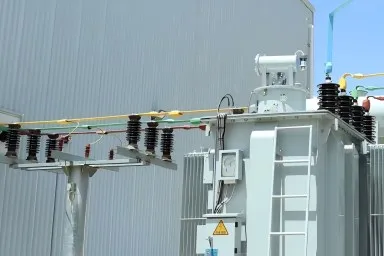
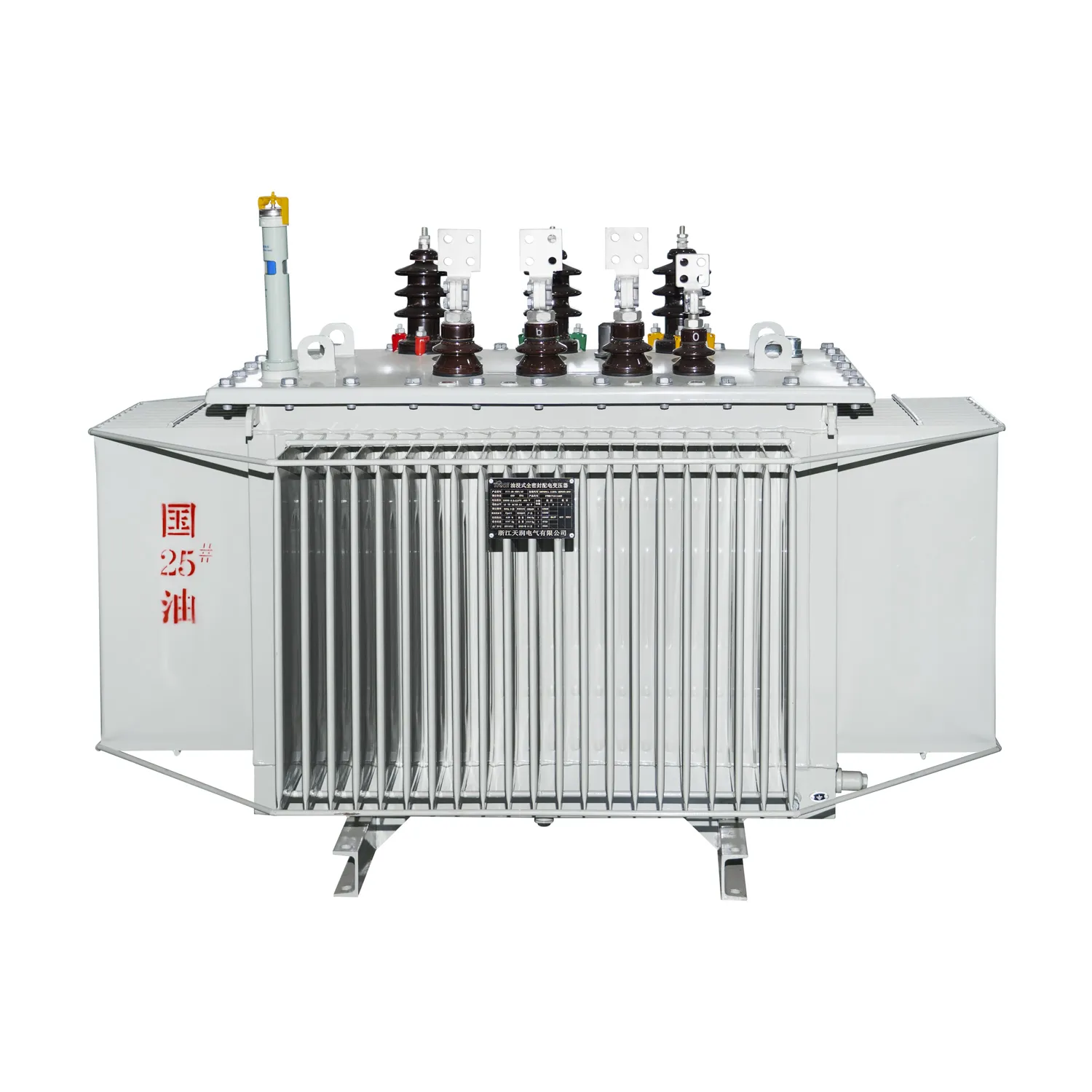
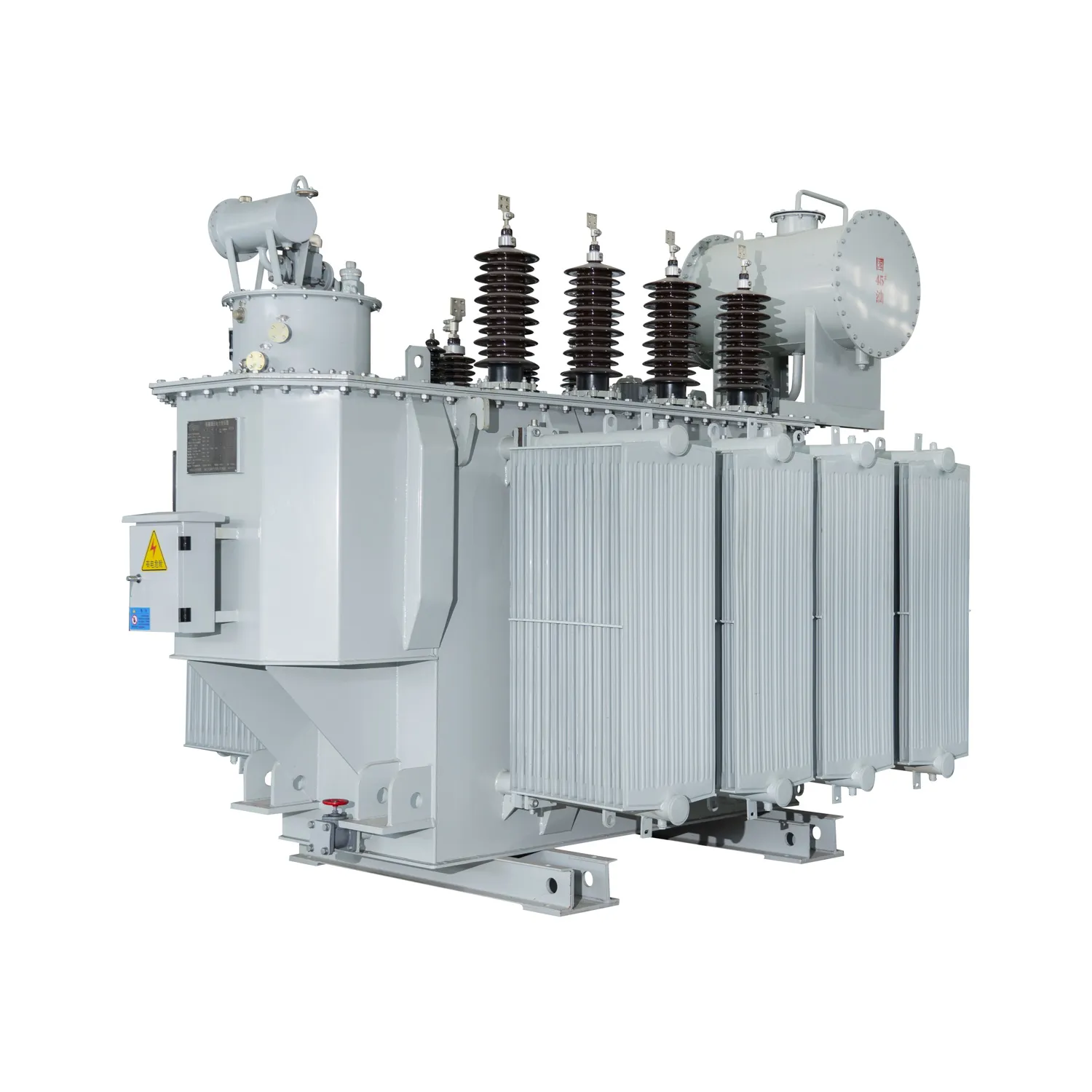
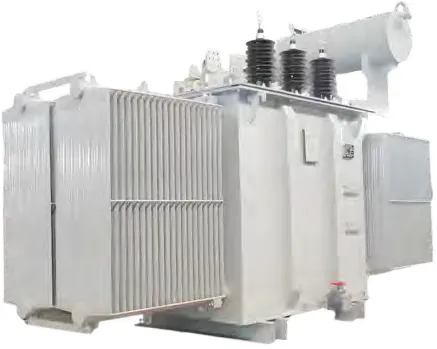
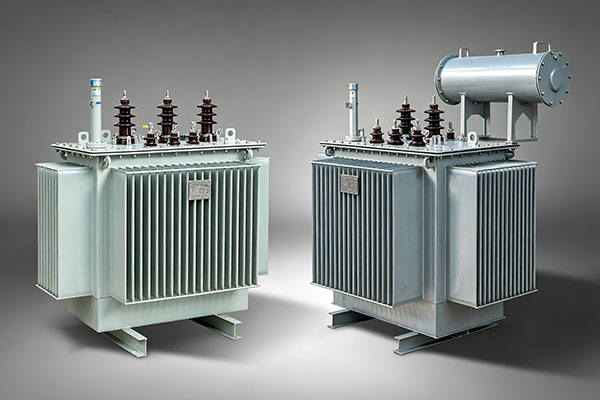
An oil-immersed transformer is a transformer whose core and windings are submerged in insulating mineral oil or ester fluid for cooling and insulation. Oil-immersed transformers are the most widely used transformers worldwide because they offer excellent cooling performance and high power handling capability.
They are commonly installed in:
The insulating oil transfers heat away from the windings and dissipates it through radiators or cooling fins, allowing higher load capacity and improved thermal performance.
For large-scale power systems, utilities often prefer oil-filled transformers because of their proven reliability and long service life. Research from the International Energy Agency (IEA) Electricity Networks Report highlights the critical role of oil-filled transformers in modern grid infrastructure and renewable energy integration.
Key Characteristics
Oil-based cooling and insulation
Excellent heat dissipation
High overload capability
Longer expected service life
Ideal for outdoor installation
Dry Type vs Oil Immersed Transformer: Key Differences
The primary difference between dry-type and oil-immersed transformers lies in their insulation and cooling methods, which directly influence performance, maintenance, safety, and installation requirements.
| Comparison Factor | Dry Type Transformer | Oil Immersed Transformer |
| Cooling Medium | Air | Insulating Oil |
| Insulation | Epoxy Resin / VPI | Mineral Oil / Ester Oil |
| Installation Location | Indoor | Outdoor & Indoor |
| Fire Risk | Lower | Higher |
| Initial Cost | Higher | Lower |
| Maintenance | Minimal | Periodic Oil Testing Required |
| Energy Efficiency | Good | Excellent |
| Load Capacity | Moderate | High |
| Noise Level | Higher | Lower |
| Service Life | 20–30 Years | 30–50 Years |
| Environmental Risk | Very Low | Possible Oil Leakage |
| Typical Voltage Range | Low to Medium Voltage | Medium to Extra High Voltage |
Cooling Performance
Oil-immersed transformers generally provide superior heat dissipation. The thermal conductivity of transformer oil allows heat to be removed much more efficiently than air cooling. As a result, oil-filled transformers can handle higher loads while maintaining lower winding temperatures.
Safety Considerations
Dry-type transformers are often preferred in populated buildings because they eliminate the possibility of oil spills.
However, modern oil-immersed transformers frequently use fire-resistant natural ester fluids that significantly improve safety performance.
Cost Comparison
For the same capacity rating, oil-immersed transformers are usually 15%–30% less expensive than dry-type transformers due to simpler insulation structures and lower material costs.
Efficiency Comparison
Large oil-immersed transformers commonly achieve efficiencies above 99%. Lower operating temperatures also contribute to reduced losses and extended insulation life.
Which Transformer Should You Choose?
The best transformer type depends on project location, safety requirements, power demand, budget, and maintenance capability.
Choose a Dry Type Transformer when:
Choose an Oil-Immersed Transformer when:
High power capacity is required
Maximum efficiency is desired
Outdoor installation is planned
Long service life is important
Lower initial investment is preferred
For solar farms, substations, industrial plants, and utility networks, oil-immersed transformers are usually the most economical long-term solution.
For hospitals, data centers, office buildings, and schools, dry-type transformers are often the preferred choice.
At Tenrony, we help customers evaluate load requirements, environmental conditions, and lifecycle costs to select the most suitable transformer solution.
Conclusion
The difference between dry-type and oil-immersed transformers primarily comes down to cooling and insulation technology. Dry-type transformers provide excellent safety and environmental performance for indoor installations, while oil-immersed transformers deliver superior cooling efficiency, higher load capacity, lower upfront costs, and longer service life.
For utility substations, renewable energy projects, industrial facilities, and large-scale power distribution systems, oil-immersed transformers remain the most widely adopted solution worldwide. Meanwhile, dry type transformers continue to be the preferred choice for commercial buildings, hospitals, and other occupied environments where fire safety is a priority.
As a professional transformer manufacturer, Tenrony offers both dry-type and oil-immersed transformer solutions tailored to global power distribution needs. Contact Tenrony's engineering team to discuss your project requirements and receive expert transformer selection guidance.
FAQ
1. Which is better, a dry-type or an oil-immersed transformer?
Neither is universally better. Dry-type transformers excel in indoor safety applications, while oil-immersed transformers offer better cooling, efficiency, and lifespan for industrial and utility projects.
2. Are oil-immersed transformers more efficient?
Yes. Oil-immersed transformers generally achieve higher efficiency because transformer oil removes heat more effectively than air.
3. How long does an oil-immersed transformer last?
With proper maintenance, most oil-immersed transformers operate for 30–50 years, and many utility units exceed 40 years of service.
4. Do dry-type transformers require maintenance?
Yes, but significantly less than oil-filled transformers. Typical maintenance includes cleaning, inspections, and thermal monitoring.
5. Why are dry-type transformers more expensive?
Dry-type transformers require specialized insulation materials and manufacturing processes, which increase production costs.
6. Can oil-immersed transformers be installed indoors?
Yes, but additional fire protection, containment systems, and ventilation requirements may apply depending on local regulations.
 English
 русский